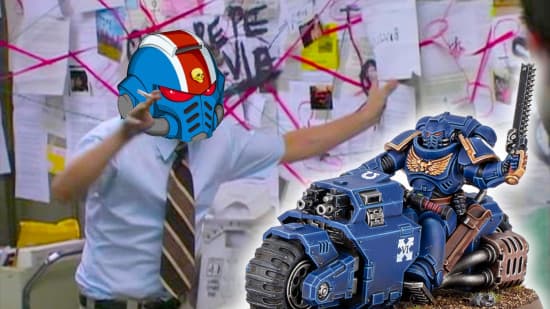
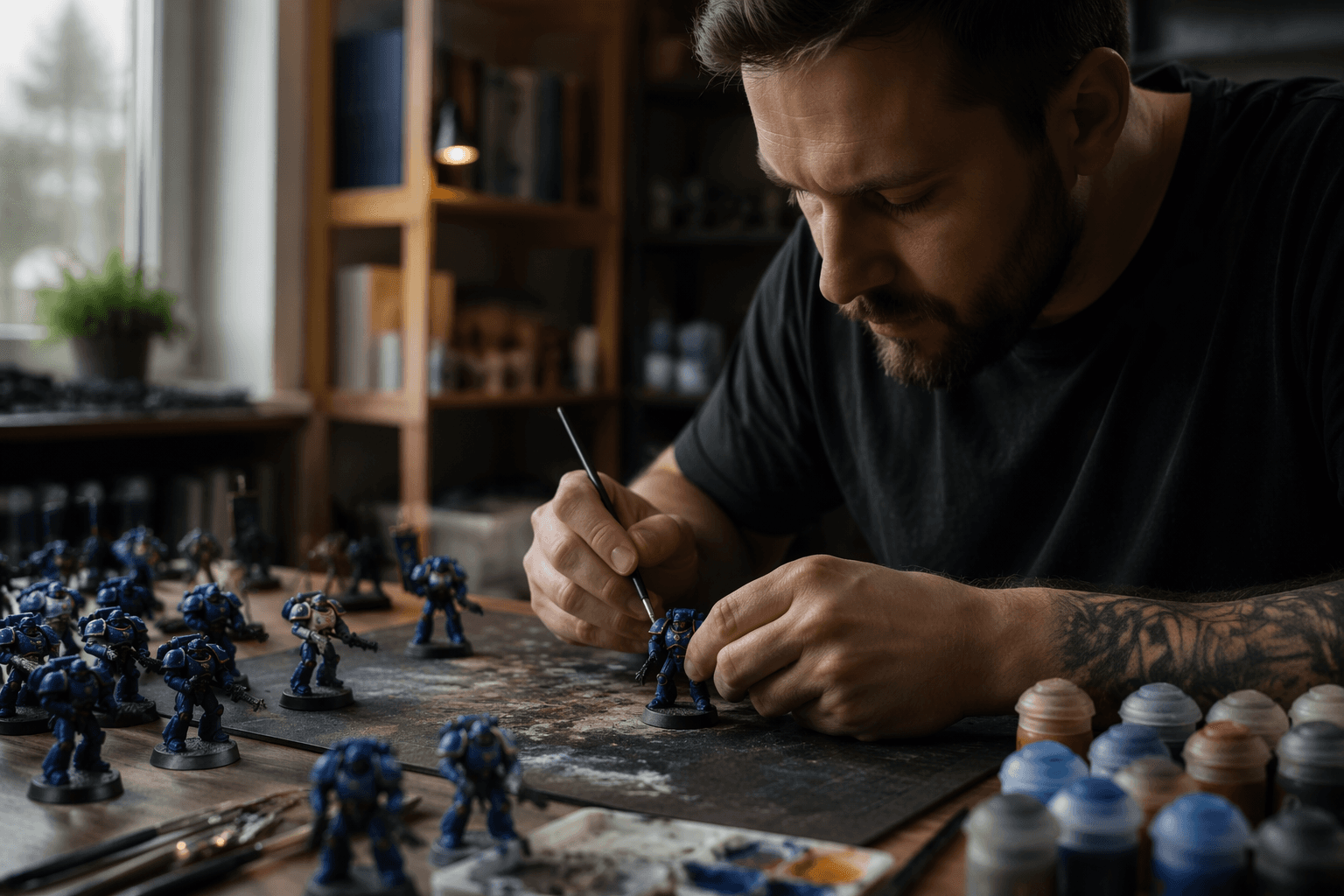
Goonhammer revisits Damnos, the Necron war zone that shaped 40k lore
Damnos is more than an old Necron war zone: it is where Sicarius, Tigurius, and the Ultramarines forged a campaign story 40k still returns to.

Ultramarines versus Necrons on Damnos
Ultramarines versus Necrons on Damnos is the matchup that still lands with a thud. The planet is not just a backdrop for blue armor and living metal, but the place where Cato Sicarius, Chief Librarian Varro Tigurius, and the Sautekh Dynasty helped define how 40k thinks about Necron warfare and Ultramarine resolve. Goonhammer’s April 29, 2026 Lore Explainer turns back to that flashpoint because Damnos works as history, campaign map, and character crucible all at once.
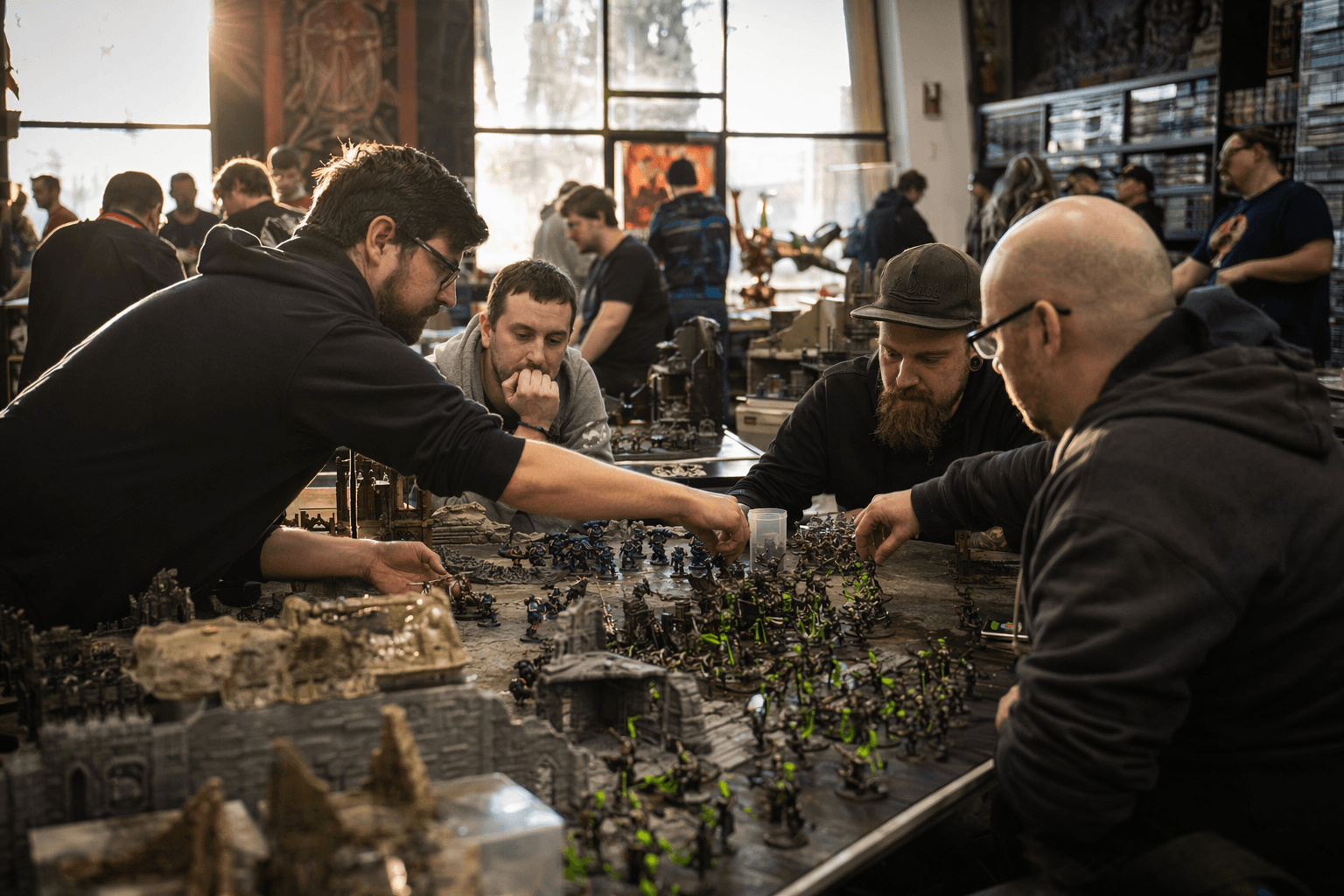
Why the old campaign book still feels alive
Apocalypse War Zone: Damnos was built for Apocalypse and built to be played. The 2013 supplement packed in background on the Damnos Incident, battle reports, miniature showcases, four Apocalypse missions, nine strategic assets, and twenty-two Apocalypse datasheets centered on Ultramarines and Necrons. That mix matters because Damnos was never treated like a throwaway named world. It was a war zone designed to be narrated across the table and remembered after the game ended.
That is part of why it still matters in 2026. Old campaign books in 40k often do more than provide scenarios. They freeze a faction conflict in a form that fans can keep revisiting, and Damnos did that with unusual clarity. The supplement does not just tell you what happened. It gives you the tools to stage the war, which is one reason the setting still feels usable instead of sealed off in the past.
A world the Imperium neglected until it was too late
Damnos was settled during the Great Crusade, but it was given low priority despite its resources. That combination is pure Imperium: a planet with value, a thin commitment of attention, and a defense posture that only looks sensible until something ancient wakes up underneath it. The colony and its garrison were modest, which made the world even more vulnerable when the Necron tomb world beneath it finally stirred.
The timeline is brutal. The Necron populace awakened in 973.M41 and conquered the planet by 974.M41. In practice, that means Damnos was not lost in a long attritional grind. It was taken with speed, precision, and the kind of cold efficiency that makes Necrons such a memorable enemy for Ultramarines. The war zone sticks in the memory because it captures one of 40k’s favorite ideas: the Imperium arrives too late, and the galaxy does not care.
The battles that made the name stick
The Damnos Incident, also called the First Damnosian War and the Fall of Damnos, happened in 973.M41 and set the tone for everything that followed. A later clash, the Second Battle of Damnos, took place in 999.M41 and ended in an Ultramarine victory. That gives the planet a rare kind of narrative lifespan. It is not a single famous battle; it is a repeated battlefield that keeps drawing the same factions back into the same ruin.
That is why Damnos reads like more than a footnote. It becomes a multi-era campaign site with at least two major wars and later Necron activity into early M42. For readers deciding which classic 40k war zones are worth revisiting, that matters a lot. A setting with repeat conflict, named victories, and a clear faction identity offers more than nostalgia. It offers a working template for how 40k turns one planet into a durable piece of mythology.
Why Sicarius and Tigurius keep the story personal
Damnos matters because it is not only about armies, it is about reputations. Warhammer Community places the campaign among Cato Sicarius’ defining captaincy moments and says he crushed Necrons of the Sautekh Dynasty on Damnos and banished one of their C’tan shards. That detail sharpens the whole conflict. This is not just Ultramarines versus Necrons in the abstract. It is Sicarius building his legend in a fight that left a mark on both sides.
Black Library treats Fall of Damnos as a key Ultramarines and Necrons story and a deep look at both the Necrons and Sicarius. It also gives Chief Librarian Varro Tigurius a memorable moment when he receives a vision of “the death of a hero” during the battle. That vision matters because it frames Damnos the way 40k often does at its best: even a hard-won victory carries an omen, and even a victory that looks decisive is shadowed by the cost that came with it.
The Black Library collection around the story deepens that feeling. It includes Fall of Damnos, the novella Spear of Macragge, plus maps and artwork. That package turns the conflict into a reading experience with texture. You get the lore, the battlefield geography, and the visual language that makes the whole war zone feel inhabited rather than sketched in broad strokes.
What to revisit if Damnos pulls you back into 40k
If Damnos is the doorway, the best things to revisit are the pieces that make it feel lived in. Fall of Damnos gives you the character-first reading of the conflict, while Spear of Macragge, the maps, and the artwork keep the planet grounded as a place instead of a generic battleground. The Apocalypse structure also rewards anyone who likes seeing lore and tabletop design talk to each other, because the background, missions, strategic assets, and datasheets all reinforce the same idea: this was a war zone meant to be used, not merely read about.
That is the real reason Goonhammer’s revisit matters. Damnos shows how 40k used campaign supplements to shape faction identity, with Ultramarines framed as relentless responders and Necrons presented as ancient, technologically terrifying conquerors who can erase an Imperial foothold in a heartbeat. In a setting that spreads itself across a million wars, Damnos still stands out because it is compact, repeatable, and loaded with named stakes. If you want one classic Necron war zone that still explains why the Ultramarines feel like Ultramarines, Damnos is still the one to open first.
This article was produced by Prism’s automated news system from verified source data, official records, and press releases, then run through automated quality and moderation checks before publishing. The system is built and supervised by the people who set the standards it runs under. Read our full AI policy.
Did this article answer your question?