Hammer of Math shows how reliable charges are in 11th Edition Warhammer 40,000
The sneakiest 11th Edition shift is how charge targets are chosen after the roll, making melee threat ranges easier to manage and easier to misjudge.
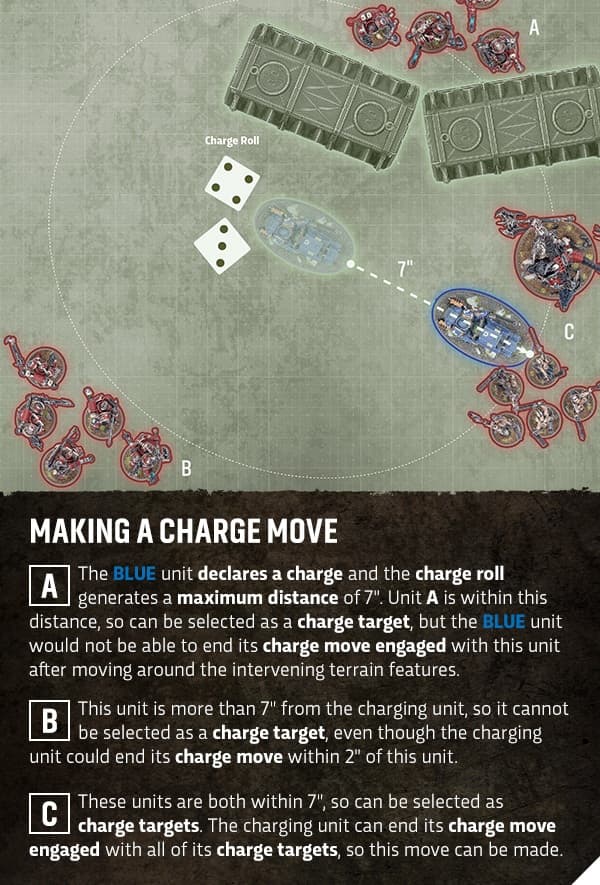
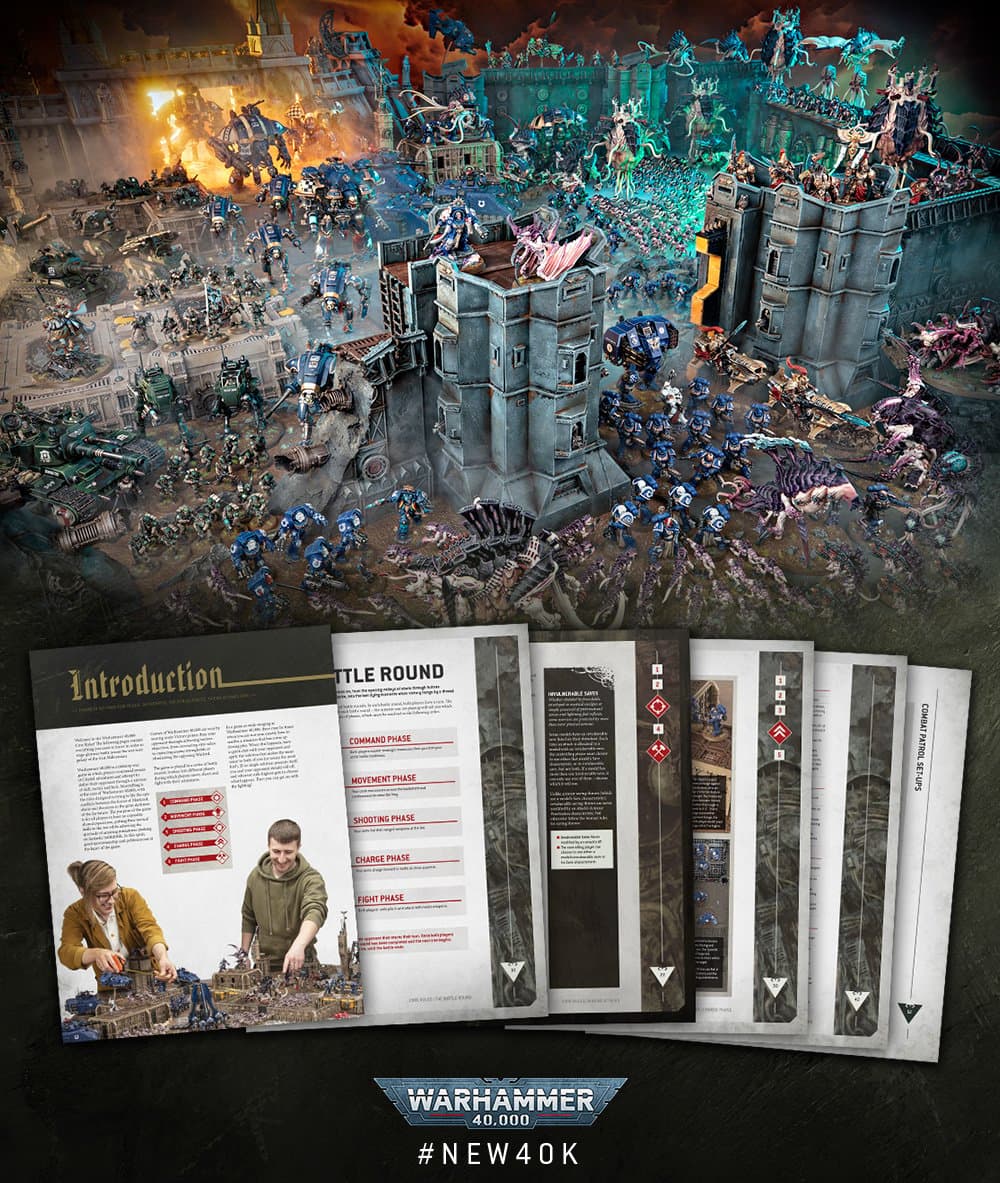
Engagement range is 2 inches instead of 1 in 11th Edition, and charge targets are chosen after the roll is made. Rob’s Hammer of Math on Tabletop Battles puts the focus on the question that now matters most: when is a charge actually worth committing to?
The new charge baseline
Under the changes outlined in Warhammer Community’s combat preview, you can move through an enemy model’s engagement range in the Movement phase, charge targets are chosen after the charge roll is made, and any unit can declare a charge if at least one enemy unit is within 12 inches. On top of that, engagement range is 2 inches instead of 1, which widens the number of threats an opponent has to respect.
That combination changes how the table feels for both sides. Melee armies get more freedom to angle around corners and terrain, while shooting armies have to think harder about how much space they actually need to stay safe. The result is not that charges become automatic, but that bad charges become easier to avoid and better charges become easier to set up.
Why the 9-inch Deep Strike charge still matters
Deep Strike and other ingress-style moves now place units more than 8 inches away from enemy models, not 9. That sounds like a small shift, but the practical benchmark stays familiar: a charge out of Deep Strike still needs a 9 on the dice. So the classic reserve play remains a real gamble, even though the surrounding rules are more forgiving.
The new sequence gives players more control over where they land and who they can pressure. You still have to respect the 9-inch wall, but you are no longer forced into the same rigid geometry once the unit hits the table. In practice, that means reserve units threaten more lanes, while opponents need to screen more intelligently instead of relying on old habits built around tighter 10th Edition assumptions.
What the target roll change does to risk
Picking charge targets after rolling is the real sneaky upgrade for melee planning. It means a player can wait to see the actual distance before deciding whether the charge is aimed at a screen, a support unit, or the key piece that matters most. That is a big deal for risk tolerance, because a single roll can now reveal whether the command point spend or follow-up pile-in is likely to matter.
For players running melee armies, the lesson is simple: charge planning starts in the Movement phase, not at the moment of declaration. Keep multiple target options alive, leave yourself angles that can exploit the 2-inch engagement range, and treat CP rerolls as a precision tool for turns that unlock something meaningful rather than as an automatic rescue button. If a charge only reaches a disposable unit, the new rules make it easier to recognize that before you commit your resources.
A practical way to think about it:
- A unit within 12 inches is a live threat, even if the charge is not yet committed.
- A Deep Strike unit still has to clear the 9-inch barrier, so do not overbuild around miracle rolls.
- Because targets are chosen after the roll, the best charges are the ones that leave you useful options if the first target is not available.
- When CP is limited, save rerolls for charges that actually open space, tag a valuable unit, or force a damaging consolidation.
How screening and terrain planning change
The new rules also reward cleaner movement planning. Since you can move through enemy engagement range in the Movement phase, the old instinct of treating every enemy bubble as a hard wall needs an update. That makes corner play, traffic lane control, and terrain reading more important, especially when an opponent is trying to reach backfield units without spending a turn getting trapped.
This is where list writing starts to change. Units that depend on reliable combat reach get better when they can exploit the looser movement geometry, but they also demand better sequencing, because the margin for sloppy positioning is still small. If your army needs to hit combat on schedule, you now care even more about exact lane widths, available landing zones, and whether a charge is being supported by a reroll or standing on its own.
Why event packs matter for melee armies
Games Workshop’s 12 June 2026 Event Companion includes up-to-date base sizes, recommended terrain layouts, and a Force Disposition system that locks players into a mission set for an event. Those are not background details for melee armies, because base size and terrain layout directly affect how easy it is to stage a charge and how many screening bodies are needed to stop one.
When Games Workshop rolled out the free core rules for 10th Edition in June 2023 alongside Leviathan, the game’s baseline assumptions changed fast. In 11th Edition, the new charge math is now part of list building, movement sequencing, and tournament preparation from the start.
This article was produced by Prism’s automated news system from verified source data, official records, and press releases, then run through automated quality and moderation checks before publishing. The system is built and supervised by the people who set the standards it runs under. Read our full AI policy.
Did this article answer your question?