Ruleshammer explains 11th edition shooting, range and visibility
11th edition shooting gets messy fast, and this Ruleshammer guide tackles the exact visibility and range calls most likely to spark arguments.
Hidden models in 11th Edition are only visible to enemy units within a typical 15-inch detection range, turning what looks like a clear shot into an argument about sightlines, distance, and terrain. Ruleshammer’s latest 11th Edition column goes straight at that problem, focusing on shooting, range, line of sight, and visibility at a moment when the edition’s new terrain structure is still being absorbed across tables.
The new edition makes visibility a table skill
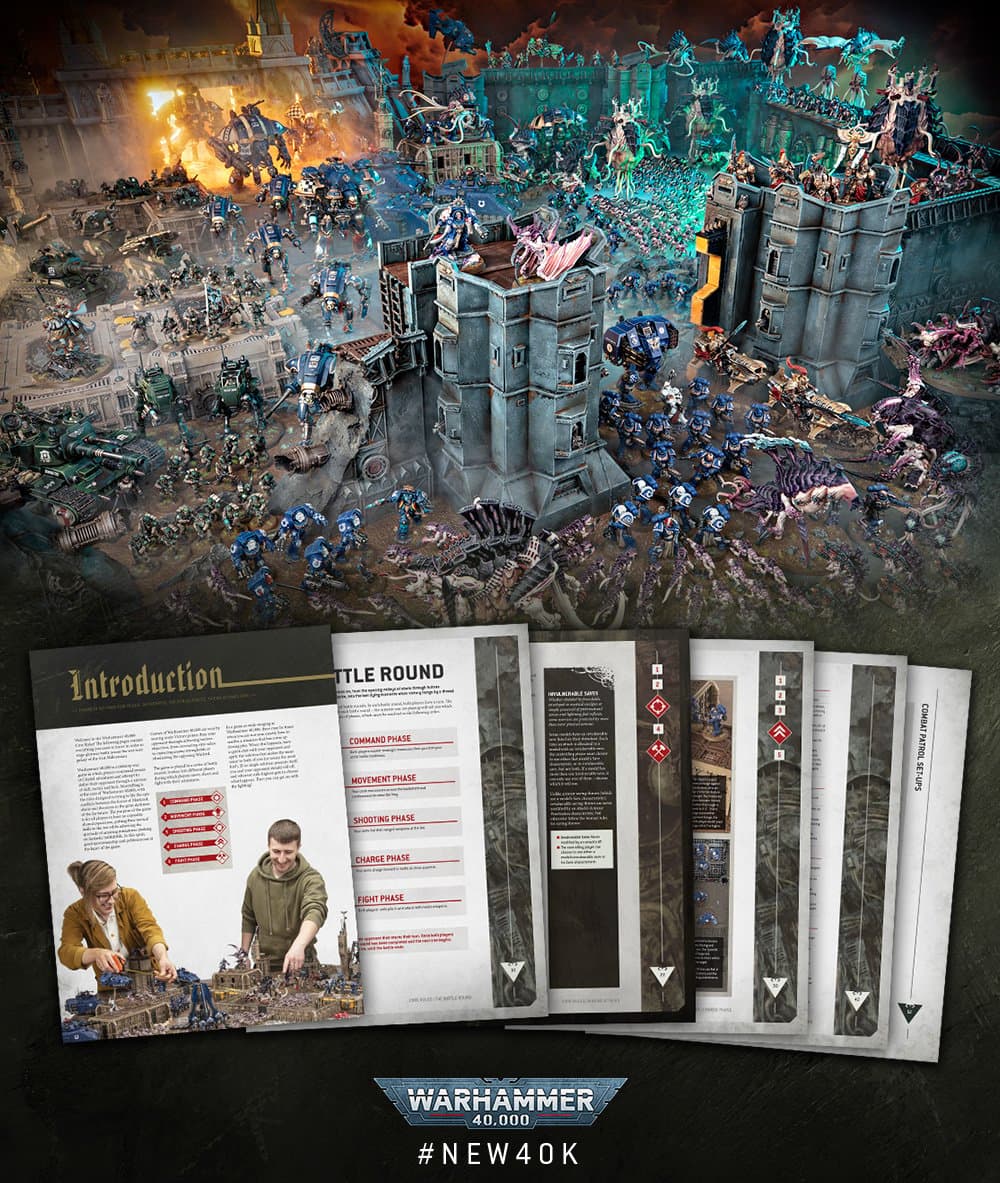
11th Edition has put visibility back at the center of game flow. Warhammer Community released the free core rules in early June 2026, and the official downloads page listed the Core Rules as last updated on 01/06/2026, alongside multiple faction packs also updated in June.
The practical effect is that shooting is no longer just a question of weapon profile and target range. It is now tied tightly to what can be seen, what is hidden, and how terrain breaks up the table.
Terrain is split into two pieces, and that changes everything
Warhammer Community’s April 8, 2026 terrain preview made the structure clear: terrain is split into terrain features and terrain areas. That matters because the game no longer treats every wall, ruin, and patch of battlefield clutter as a single kind of obstacle. Instead, the table is read through a system that asks where the model is, what kind of terrain it is interacting with, and whether it can be seen under the new rules.
That same preview introduced the Hidden rule for Infantry, Beast, and Swarm models inside terrain areas, making placement inside terrain a much more serious tactical choice than many players are used to. Most terrain is Obscuring, so the old habit of assuming a clear firing lane just because a model is “kind of visible” is no longer a safe read.
The cover change is just as important. Units in terrain areas gain cover that imposes a -1 penalty to Ballistic Skill, replacing the older instinct to think in terms of a simple save bonus. That changes target selection immediately, because a firing unit that could have relied on volume may now find its accuracy reduced before the first die is rolled.
What the shooting check is really asking you to do
In practice, the sequence at the table has to start with target eligibility, then move through the relevant distances, then settle what can actually be seen before any attacks are rolled. If those checks happen out of order, the same unit can be treated as a target one moment and protected the next, which is where most table friction begins.
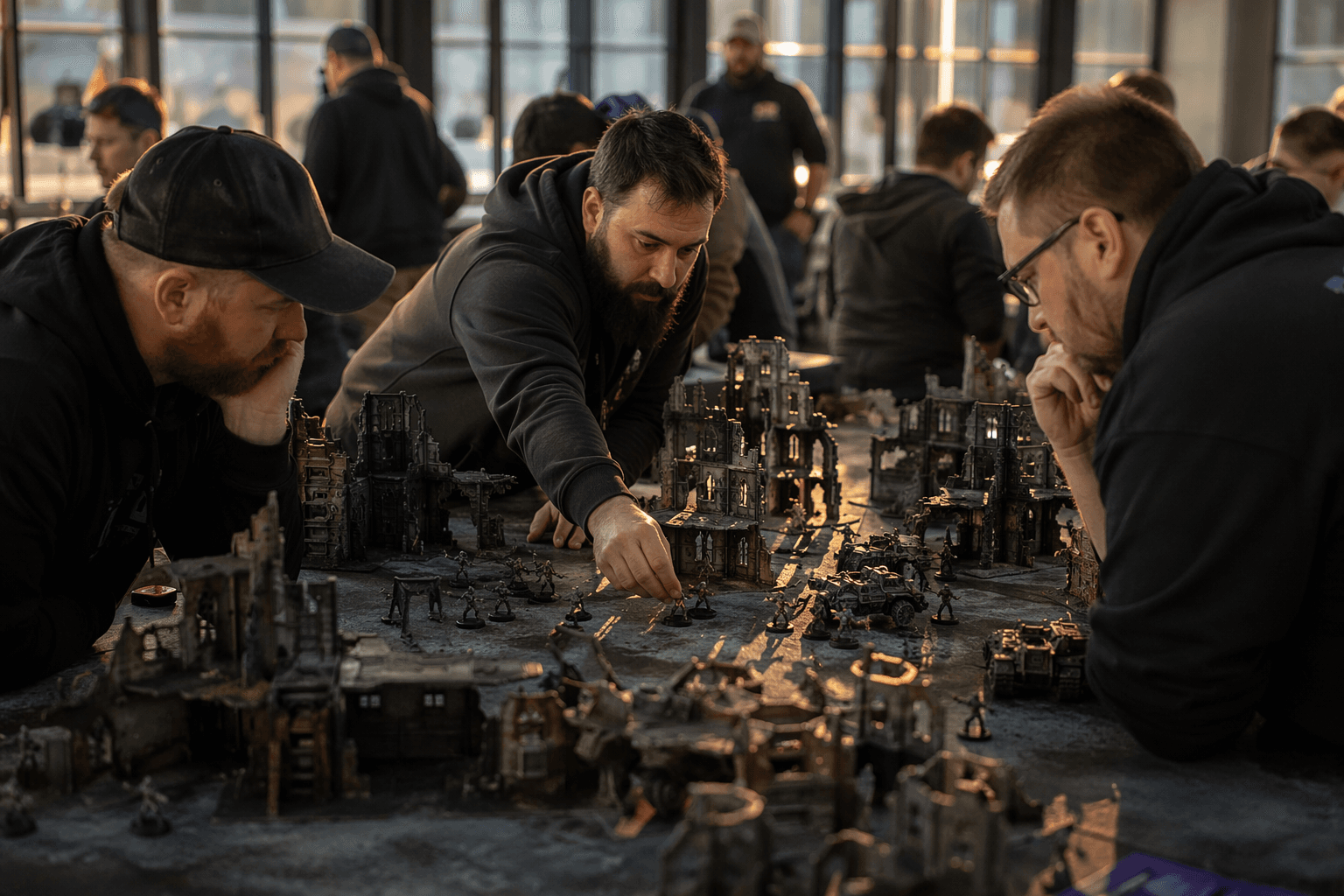
Familiar concepts can become traps when they interact with a revised terrain system, especially on dense boards where models are partially obscured or tucked into terrain areas. In 11th Edition, the question is rarely just “Can I see it?” It is often “Can I see enough of it, from here, through this terrain, for this kind of attack to matter?”
Stephen Box stressed in a White Dwarf tactics article on October 16, 2025, that line of sight, terrain rules, and cover can have a huge impact on Warhammer 40,000 games. He illustrated how cover can change survival odds and how casualties can affect whether later units still have line of sight or remain within half range for melta weapons.
Why list building and model placement matter more now
If hidden units can only be revealed within a typical 15-inch detection range, then board control, threat ranges, and unit placement all matter more than they did when players could rely on looser sight reads. Weapon selection becomes part of terrain planning, not just damage planning.
The same is true for movement and model positioning. Dense tables reward units that can occupy terrain without exposing themselves, and they punish armies that depend on open firing lanes to function. That shifts the value of line-of-sight denial, makes terrain-heavy boards more decisive, and gives players a concrete reason to think about where their units end their moves instead of only where they start their turns.
Event organizers also benefit from that clarity. Fewer arguments over visibility means faster rounds and less time spent rechecking the same obscured angle from three different heights. When the shooting phase is understood as a sequence of eligibility, range, visibility, and then attacks, the game runs cleaner and both players spend more time making decisions and less time re-litigating a corner of ruin.
A guide that fits the edition it arrives in
This column is part of a wider 11th Edition teaching run. A terrain guide appeared on Dec. 23, 2025, a Hidden and Gone To Ground guide followed on Jun. 5, 2026, and this Shooting, Range, Line of Sight, and Visibility column landed on Jul. 3, 2026.
This article was produced by Prism’s automated news system from verified source data, official records, and press releases, then run through automated quality and moderation checks before publishing. The system is built and supervised by the people who set the standards it runs under. Read our full AI policy.
Did this article answer your question?