Warhammer 40,000 Rewrites Close Combat with 2-Inch Engagement Range
Close combat got room to breathe: engagement range jumped to 2 inches, charge targets were picked after the roll, and melee armies gained new ways to slip through the scrum.
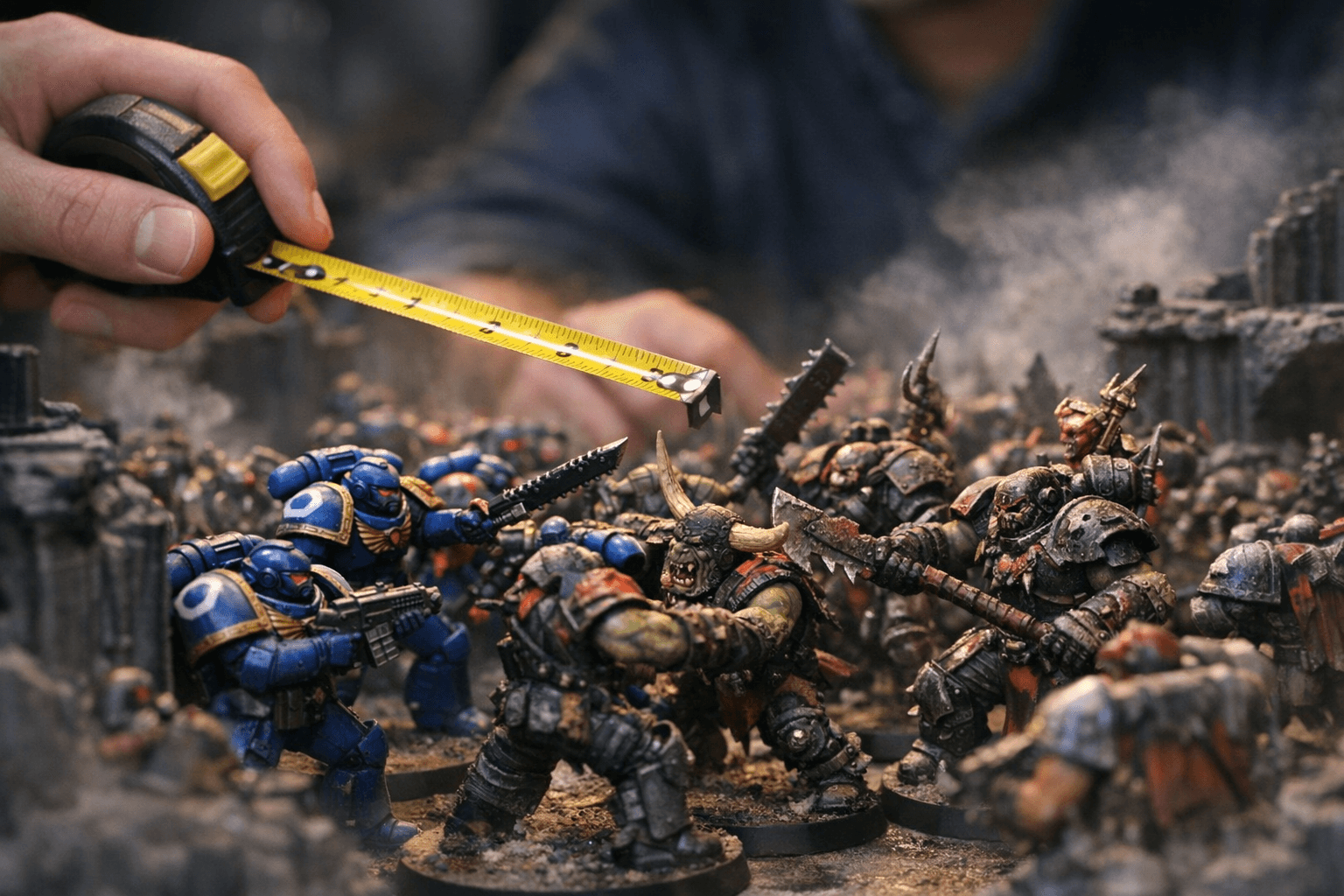
Games Workshop finally gave close combat the kind of overhaul that changes real games, not just rules debates. The key shift was simple and brutal: engagement range went from 1 inch to 2 inches. That single inch matters everywhere on the table, because it makes it easier to pile into a fight, harder to pin a unit behind a thin screen of bodies, and much less reliable to hide behind tiny gaps in terrain or barricades.
The biggest winner was any army that lives and dies by melee pressure. Units that depend on making contact, wrapping objectives, or forcing awkward pile-ins no longer have to thread the needle quite as tightly. Models can also move through an enemy unit’s engagement range during the movement phase, which takes a lot of the choke out of tight board states. The old habits that players have leaned on for years, especially the habit of using one model at just the right angle to freeze a lane, got a lot less dependable. In prior editions, engagement range was a 1-inch horizontal cylinder and 5 inches vertically, and most models could not move into it unless a rule explicitly allowed it. That kind of hard stop has now loosened.
Charging changed just as sharply. Players now pick charge targets after rolling the distance, instead of locking targets in before the dice hit the table. Any unit can declare a charge if at least one enemy unit is within 12 inches, which cuts down on the feel-bad turns where a melee unit waddles forward, fails by a sliver, and spends the next turn eating plasma in the open. The new system also makes corner charges and fights around ruins less punishing, because the meaningful finish line is now the 2-inch engagement range. If a model can get within 1 inch of a target, it must do so, but if the terrain or geometry makes that impossible, getting into engagement range is enough.
The losers are the armies that relied on precise screening and narrow no-go zones to survive the charge phase. Shooters still matter, but they have to respect a battlefield where threats can close faster and slip through more reliably. Ingress-style deployment also shifted to more than 8 inches away instead of 9, which keeps the pressure on backfield setup and reserves play. Games Workshop said the redesign was part of a complete revision of Warhammer 40,000, with every unit reassessed and rewritten from the ground up, and that same logic has been showing up in its FAQs and updates as it folds in feedback from the Warhammer community, playtesters, and its studio design team.
The timing matters, too. Games Workshop first revealed 10th edition on 23 March 2023, then launched it in June 2023 with Leviathan, a box that packed 72 miniatures, 25 Space Marines, 47 Tyranids, a hardback book, and a 66-card mission deck. The new combat rules carry the same message as that launch box: melee is meant to feel faster, cleaner, and more decisive, and the old tricks for stalling it just lost a lot of bite.
This article was produced by Prism’s automated news system from verified source data, official records, and press releases, then run through automated quality and moderation checks before publishing. The system is built and supervised by the people who set the standards it runs under. Read our full AI policy.
Did this article answer your question?