Warhammer 40k guide helps newcomers choose their Space Marines Chapter
Space Marines still make the cleanest 40k start, but the smartest first buy is one Chapter, one Combat Patrol, and a plan that stops choice overload early.

Space Marines are still the easiest doorway into Warhammer 40,000, but that does not mean they are the same as the smartest first army for every new player. The real choice is narrower and more practical: do you want the game’s most supported faction, or do you want an army that pushes you to commit to one identity fast, before the hobby sprawl kicks in? For a newcomer, that answer starts with the Chapter, not the codex.
Why Space Marines still feel like the default
Warhammer Community still defines Space Marines, or the Adeptus Astartes, as superhuman warriors created as the Emperor’s Angels of Death, formerly known as the Legiones Astartes. They are the mightiest warriors Humanity can offer, forged through ancient gene-science and organized into Chapters that deploy lightning assault strike forces. That combination of iconic lore and very clear battlefield identity is exactly why they remain the most recognizable force in the setting.
The other reason is scale. Warhammer’s faction coverage says there are a thousand or more Space Marine Chapters, while First Founding material spotlights the nine loyalist Chapters that shaped the faction’s oldest traditions. That spread gives you room to pick a look and a story without leaving the Marine ecosystem, which is rare in 40k and a big part of the army’s beginner appeal.
Pick the Chapter before you buy the pile
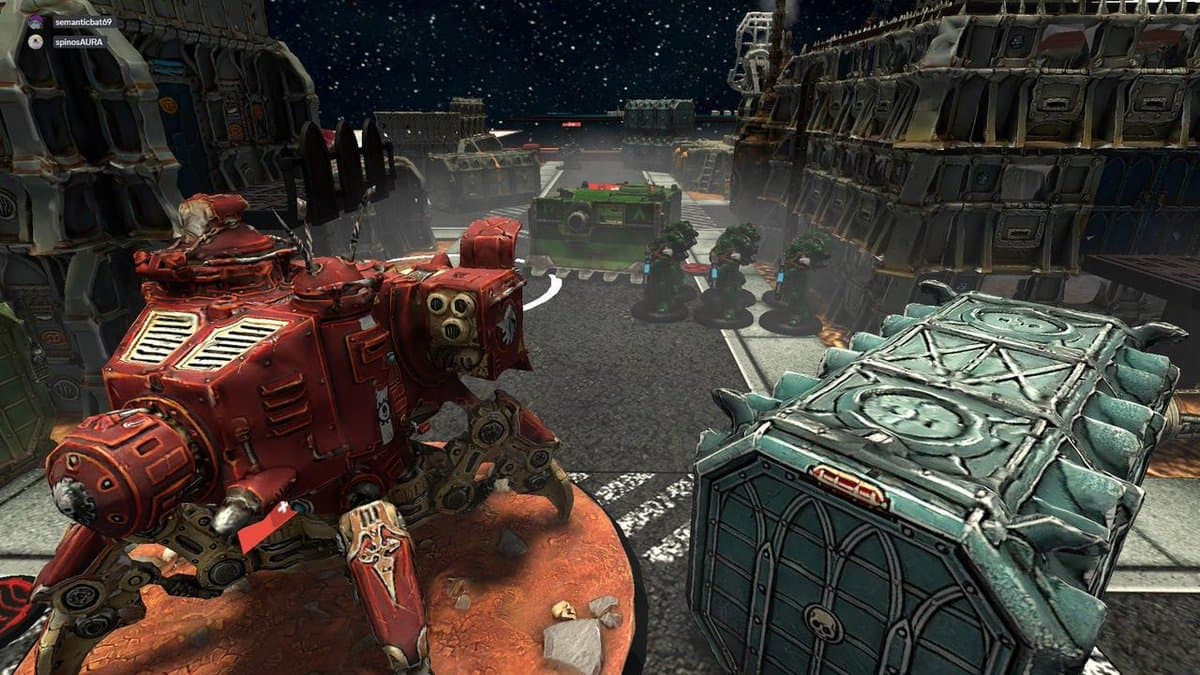
The first hobby decision with Marines is not which unit is best, but which Chapter you actually want to see on your desk. The old, stubbornly useful example still holds up: Ultramarines blue if you want the clearest “textbook” Marine identity, Blood Angels red if you want something more ornate and dramatic. Those color choices are not cosmetic fluff, they tell you what your army feels like long before the first game.
That matters because Chapter identity is one of the faction’s defining features. Warhammer’s First Founding art book is built around the nine loyalist First Founding Chapters, and current faction coverage keeps framing each Chapter as a self-sufficient brotherhood with its own culture and traditions. If you start with that lens, you are less likely to buy random units that look cool in isolation but never turn into a force that feels like yours.
Combat Patrol is the cleanest first step
If you want the most sensible entry point, start with Combat Patrol. Warhammer Community presents it as the quickest and most straightforward way to start collecting and playing Warhammer 40,000, and the rules package is built for compact games that usually last up to about one hour. That is the right scale for a first army because it gets you painting, building, and rolling dice without demanding a huge model count.
For a Marine starter, that also keeps the Chapter choice manageable. One Combat Patrol gives you a force that can be painted in one scheme, learned as one play pattern, and expanded later without forcing an immediate leap into full-sized army budgeting. It is a smaller target, and that is exactly why it works.
What a beginner actually needs first
The smartest first purchase is not a giant shelf project. It is a single Combat Patrol, a Chapter paint scheme, and enough patience to finish those models before chasing the next box. If you are choosing between a dozen subfactions, the safer move is to lock in the color scheme first, then buy only the models that fit that identity.
A good starter path looks like this: 1. Choose one Chapter, such as Ultramarines or Blood Angels. 2. Buy one Combat Patrol sized force. 3. Paint the whole force in one coherent scheme. 4. Learn the basics through compact games that run about an hour. 5. Add more units only after the first list is fully done.
That approach sounds simple because it is, and simplicity is a feature here. Marines reward clean beginnings, because the faction’s visual identity, lore depth, and gameplay support all line up around the same first step.
The downside of being everyone’s first army
The same things that make Space Marines welcoming also make them easy to overbuy. There are so many Chapters, so many character kits, and so many ways to push the army toward a personal theme that choice overload can become the real trap. You can spend more time browsing color schemes and chapter heraldry than finishing the first squad.
There is also the social side of the default pick. Marines are everywhere, which is part of their power and part of their drawback. If you want an army that feels immediately distinctive, the most popular faction in the game can sometimes feel like the least surprising one. That does not make it a bad choice, only a very visible one.
The living rules side still supports the choice
This is not a dead hobby recommendation frozen in nostalgia. Warhammer Community’s downloads page shows the Space Marines faction pack was updated on 8 June 2026, and the Munitorum Field Manual was updated on 17 June 2026. That tells you the faction is still being actively maintained inside the current rules ecosystem, which matters when you are choosing a first army and want to know the support is real.
So the answer to the beginner’s question is sharper than “yes, Space Marines are good.” They are still the cleanest first army because they let you start with a known Chapter, a manageable Combat Patrol, and a paint scheme you can finish without drowning in options. The default only becomes a mistake when you treat it like a shortcut instead of a first decision, and the whole point of Marines is that they make that first decision easy.
This article was produced by Prism’s automated news system from verified source data, official records, and press releases, then run through automated quality and moderation checks before publishing. The system is built and supervised by the people who set the standards it runs under. Read our full AI policy.
Did this article answer your question?