Warhammer 40k T’au focus spotlights stealth, sensors and hidden firepower
The latest T’au Faction Focus pushes stealth, sensors, and hidden firepower into the center of 11th edition, and that changes how everyone hunts targets.
Hidden firepower is the real story
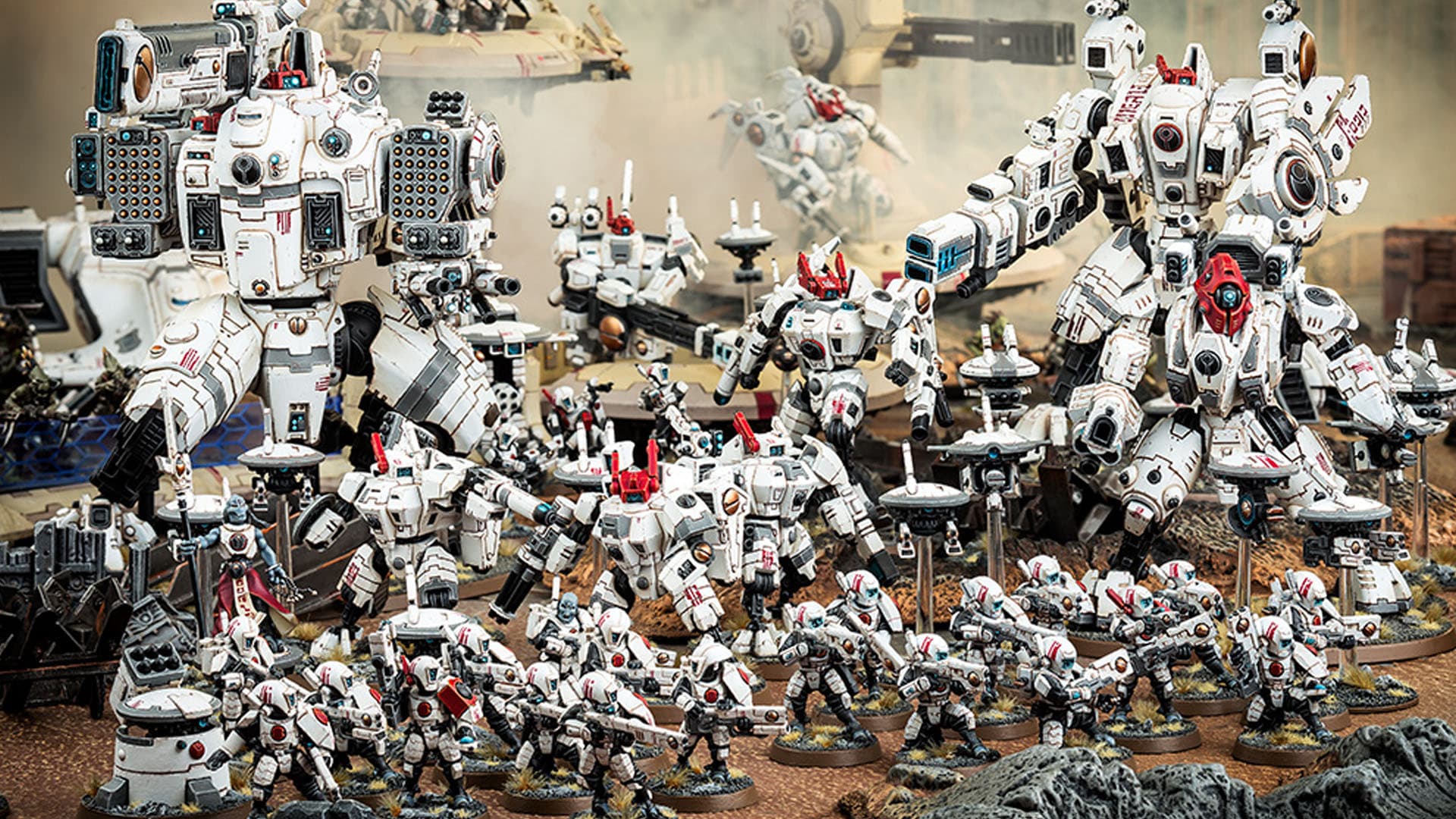
The T’au Empire’s latest Faction Focus does not read like a simple shooting preview. It reads like a warning shot for the whole game: the best T’au armies may be the ones that decide when the battle even starts. Warhammer Community’s 13 May 2026 reveal puts stealth, sensor warfare, and mobile gunlines at the center of the faction, and that emphasis reaches far beyond one xenos army’s fanbase.
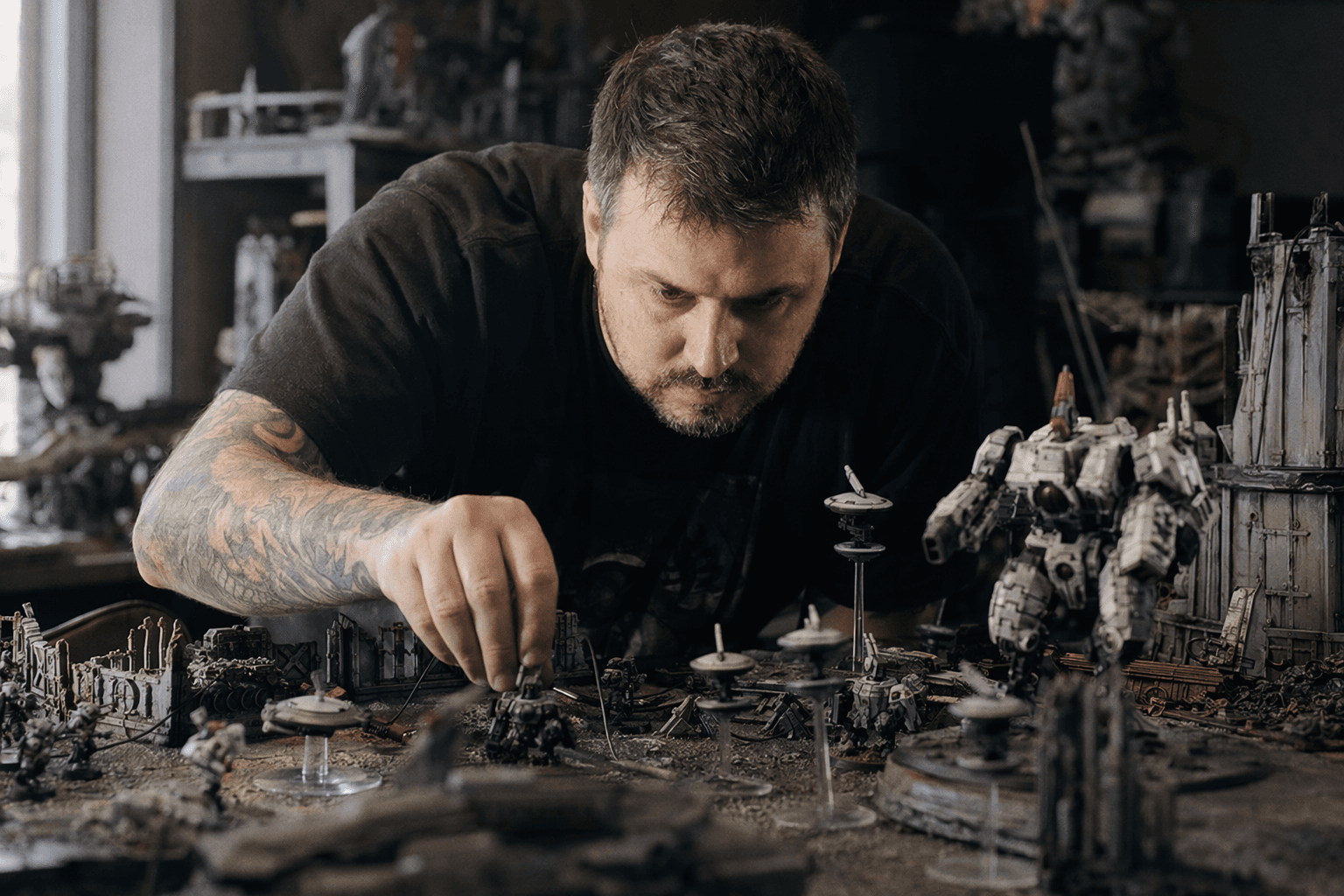
That matters because the preview reframes the T’au from a “stand still and trade” army into a force built to deny clean fights. The message is clear: stay hidden, expose the right target, fire first, and move before the enemy can answer. For the wider 40k audience, that suggests an edition where concealment, target priority, and spacing are becoming as important as raw damage output.
The Advanced Acquisition Cadre sets the tone
The headline detachment is the Advanced Acquisition Cadre, a formation built around reconnaissance specialists and stealth units. Pathfinder Teams and Stealth Battlesuits are the obvious beneficiaries, with the focus calling out hidden-fire interactions and effects that let units reposition after shooting. That combination changes the old T’au rhythm in a meaningful way, because the faction is no longer just asking whether it can delete a target. It is asking whether it can delete a target while remaining difficult to answer.
One of the most striking details is that certain units can remain completely undetected while firing. That single mechanic tells you almost everything about the playstyle Games Workshop is pushing here. The T’au win by managing information, forcing the opponent to guess, and making every attempt to close the distance feel like a trap.
The design also pushes against the idea that T’au are meant to win by soaking punishment. Their strength is not durability in the traditional sense, but control. If the army can move, shoot, and vanish enough times, then opponents are forced into awkward commitments that expose them to the next layer of firepower.
Support pieces reward smart target play
The enhancement package sharpens that theme. The Supernova Launcher turns a commander’s airbursting fragmentation projector into something much deadlier, effectively upgrading it into a plasma bomb launcher. It is the kind of upgrade that rewards a commander already thinking about lanes, angles, and target selection rather than simply piling damage onto the nearest unit.
Then there is the Unmasking Suite, which helps recon units reveal enemy targets so the T’au can punish them from safety. That is classic T’au logic at its cleanest: information first, firepower second. In practical terms, it means your screening units and forward deployers matter more than ever, because a sloppy screen can turn into a highlighted target for the whole army.
Autoreactive Camouflage might be the clearest sign that this preview is about survivability through denial rather than toughness through attrition. Warhammer Community says it can improve resilience and even push Stealth Battlesuits to a coveted 2+ save. That is a big deal for a unit identity built on staying hard to interact with. It does not make the T’au indestructible, but it does make them much more annoying to remove in a game where one mistake often decides the turn.
The three-detachment tease broadens the picture
The accompanying video expands the preview by promising three detachments for the T’au Empire. One keeps the spotlight on staying hidden for longer. Another boosts the hunting effectiveness of Kroot and Vespid units. The third brings experimental battlesuit prototypes into the mix for even more punch.
That spread is important because it shows the faction’s identity is not being flattened into a single gimmick. Instead, the studio is leaning into three distinct battlefield roles: stealth and concealment, fast hunting pressure, and prototype-heavy elite firepower. Even if you came into the preview expecting a pure gunline update, the result is broader and more tactical than that.
It also hints at how opponents will need to adapt. Screening is not just about blocking charges anymore. It is about denying vision, denying angles, and preventing the T’au player from setting up the exact reveal they want. If the T’au can keep units hidden, reveal the right target, and then reposition, then the counterplay shifts toward layered screening, disciplined movement, and conservative exposure.
This fits the faction Games Workshop has built for years
The new focus lands because it grows out of long-running T’au identity rather than replacing it. Games Workshop describes the T’au Empire as an alien race organized into Castes and led by Ethereals, spreading the Greater Good through diplomacy when possible and force when needed. That political and ideological structure matters, because the army has always felt like a civilization that weaponizes coordination as much as firepower.
The codex context reinforces that point. Warhammer’s 2024 Codex: T’au Empire runs to 136 pages and includes 38 datasheets, four detachments, Combat Patrol rules, and Crusade rules. That is a substantial rules framework already, which makes the May 2026 Faction Focus feel less like a random flavor spike and more like the next stage in a clearly evolving army identity.
Historically, T’au rules have revolved around markerlight-style coordination and Observer/Guided targeting, with almost any unit able to pair with an ally and guide its aim for the Greater Good. That is the old bones of the faction right there: combined-arms precision, not lone-wolf aggression. The new concealment-and-detection tools extend that tradition, turning the T’au into a faction that wants to control who is seen, who is exposed, and who gets to shoot first.
A clearer battlefield direction for 11th edition
The wider takeaway is bigger than one Empire preview. The T’au are still the clearest case study, but the lesson for the rest of 40k is obvious: the edition is rewarding armies that can shape the fight before the shooting starts. Mobility, hidden deployment, sensor play, and selective violence are moving closer to the center of the battlefield conversation.
That is why the reveal feels so consequential. The T’au are not being sold as the faction that simply fires the most guns. They are being sold as the faction that knows where the fight will happen, who will be exposed, and when the trap finally closes. Once that becomes the core of the army, every opponent has to start thinking one step earlier.
The first shot has always mattered in 40k. This time, the T’au focus makes the more unsettling promise: the first shot may be coming from a unit you never quite saw.
This article was produced by Prism’s automated news system from verified source data, official records, and press releases, then run through automated quality and moderation checks before publishing. The system is built and supervised by the people who set the standards it runs under. Read our full AI policy.
Did this article answer your question?