5 natural shave soaps for a smoother, more hydrated shave
Natural shave soap is only as good as the feel at the sink, and these five picks focus on glide, hydration, and calmer skin.
Natural shave soap has moved well beyond niche status, and the numbers explain why. The wet shaving market was valued at $19.18 billion in 2024 and is projected to reach $33.38 billion by 2030, with premium and sustainability-led segments gaining ground in North America and Europe. In a category that includes razors, safety razors, brushes, soaps, creams, and aftershave, the real test is no longer the label alone. It is how the soap feels when the blade meets the beard, especially if your skin is prone to sensitivity, shaving bumps, or the kind of irritation that builds with multiple passes.
Sandalwood-forward soap for a familiar, grounded shave
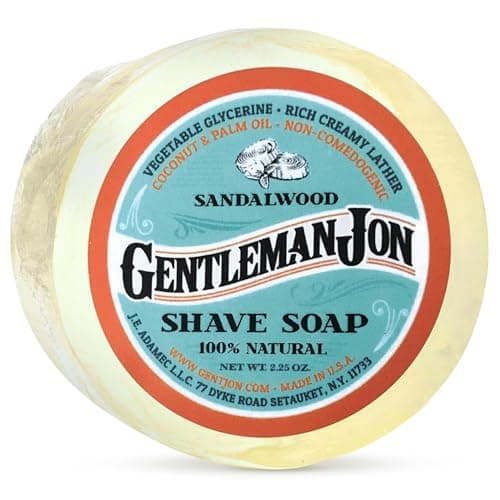
Sandalwood remains one of the clearest entry points for shavers who want a natural soap without giving up a traditional scent profile. The fragrance is part of the appeal, but the better question is whether the lather underneath it delivers enough cushion and glide to let you shave with less pressure. That matters because shaving with increased pressure and repeated strokes raises the chance of irritation, so a sandalwood soap has to do more than smell polished.
What makes this style work is balance. You want a scent that feels classic, but you also want the post-rinse finish to be soft instead of stripped, which is where a well-built natural base earns its keep.
Goat milk soap for a richer, creamier feel
Goat milk is one of the most useful signals in the natural shave-soap aisle because it usually points to a denser, more conditioning lather. If your face tends to feel dry after a pass or two, this is the kind of formula that can leave skin feeling less taut once the water is gone. That soft finish is part of why goat milk fans keep looking for it in artisan soaps rather than treating it as a novelty ingredient.
The practical payoff shows up at the sink. A goat milk formula can help the lather stay substantial while you work through your routine, which is exactly what you want when mechanical irritation is already a risk and you do not need the soap adding more drag.
Glycerin-rich soap for better glide and easier passes
Glycerin is one of the quiet workhorses of a good shave soap, and you feel it most when the blade starts moving cleanly instead of catching. A glycerin-rich lather tends to feel slick and wet rather than airy, which makes it easier to keep pressure low and reduce the temptation to go back over the same patch again and again. That matters because shaving techniques that rely on more pressure and multiple strokes increase the probability and extent of skin irritation.

For wet shavers, this is often the difference between a decent shave and a comfortable one. A glycerin-forward soap does not need a flashy scent or heavy marketing language to make its case, because the payoff is obvious in the razor’s movement and in how the skin feels five minutes later.
Lanolin, shea butter, and aloe for post-shave comfort
Lanolin, shea butter, and aloe are the ingredients to watch when hydration matters as much as the shave itself. Together, they point to formulas that are trying to cushion the skin and reduce that dry, tight feeling that can follow even a clean pass. If your skin is reactive, especially in colder months or in a routine that already asks a lot from the face, this kind of conditioning support can make the shave feel more forgiving.
The most useful thing about these ingredients is that they support comfort without replacing technique. You still need a steady hand and a lather that stays stable, but a soap built around these moisturizing additions can make a safer landing after the blade has done its work.
Coconut oil and artisan blends for stable lather and modern wet shaving
Coconut oil often shows up in artisan formulas because it helps build a lather that feels abundant and reliable under a brush. In the current wet-shaving revival, that kind of performance matters just as much as the ingredient story, because more shavers are looking for a closer shave with less irritation and less waste in the routine. That is also why natural-forward names like MAGS Skin, Wholly Kaw, and Stirling Soap Company keep coming up in the conversation, alongside retailers such as The Razor Company.
This is where natural soap becomes a practical purchase rather than a branding exercise. When a formula gives you stable lather, solid glide, and a calmer finish, it fits the broader move toward shaving routines that treat skin comfort as part of the result, not an afterthought.
The best natural shave soap does not win by sounding cleaner on the tin. It wins when you can keep the pressure light, the lather stable, and the post-shave feel comfortable enough that the face tells you the formula did its job.
This article was produced by Prism’s automated news system from verified source data, official records, and press releases, then run through automated quality and moderation checks before publishing. The system is built and supervised by the people who set the standards it runs under. Read our full AI policy.
Did this article answer your question?