World War I shaving brushes spread anthrax among soldiers
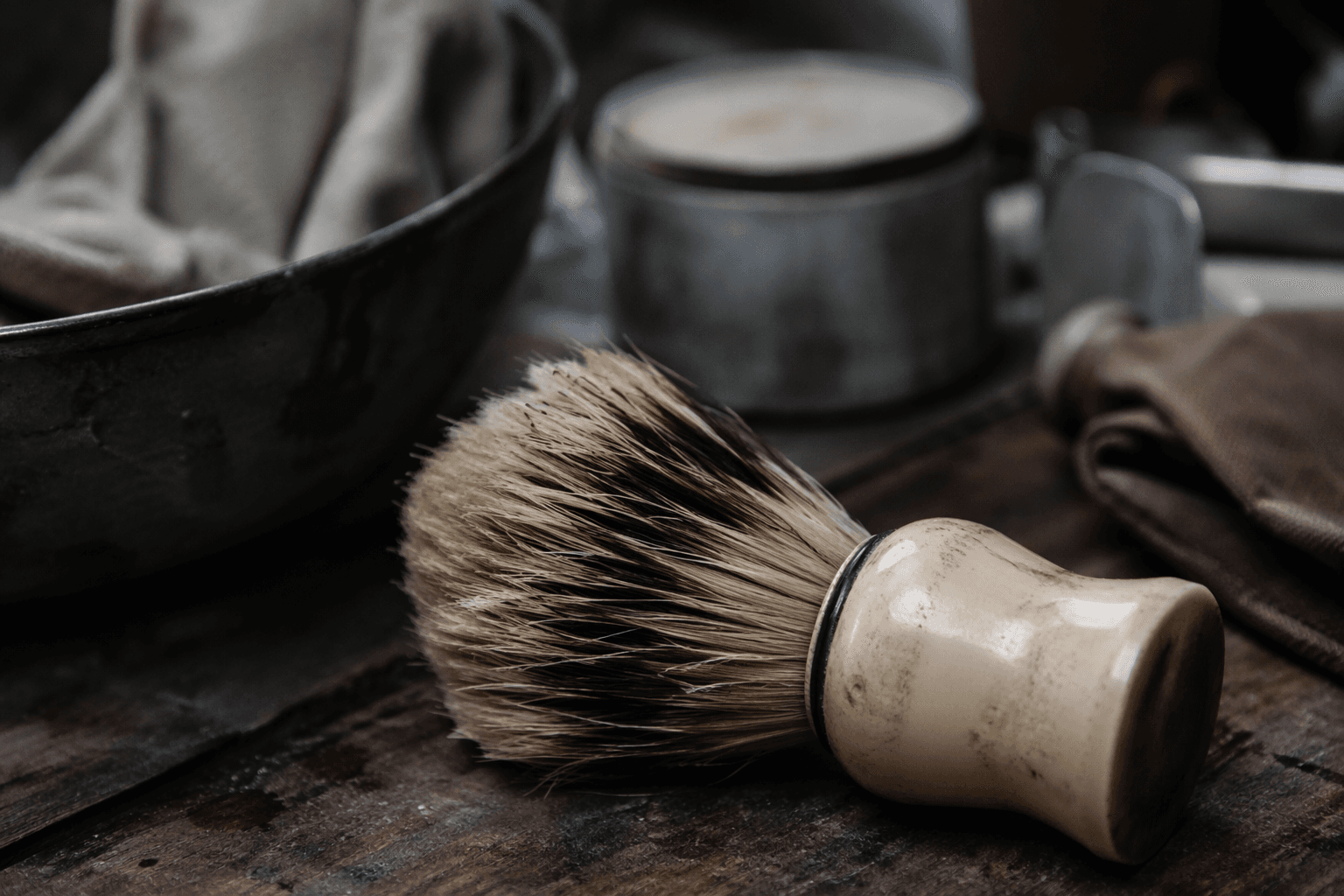
A wartime shaving brush could be as dangerous as a shell wound. Cheap horsehair sold as badger and never properly disinfected turned a daily shave into an anthrax route.
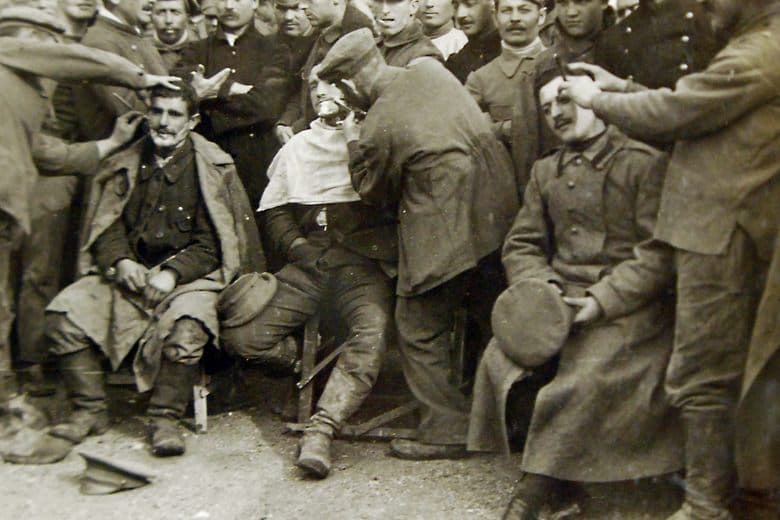
In 1915, British military officials were investigating cutaneous anthrax on the heads and necks of newly recruited soldiers. The cases traced back to wash kits with cheap animal-hair shaving brushes that looked harmless and, in some cases, were sold as premium badger. At first, officials blamed enemy sabotage before identifying the brush supply as the real problem.
The myth: all animal-hair brushes were equally risky
The danger was never “animal hair” in the abstract. Before the war, shaving brushes were commonly made from boar, horse, and badger hair, and badger hair was prized because it held water so well. The trouble came when wartime shortages pushed low-cost substitutions into circulation, including brushes made from imported horsehair that were disguised as the more desirable badger brush.
Badger itself was not the villain in the outbreak story; horsehair was the bigger problem because horses are susceptible to anthrax, while badgers are not.
How the outbreak reached soldiers
Spores got onto a brush, the brush touched a nick, and the nick became an entry point. Bacillus anthracis entered through small facial cuts made during shaving, exactly the kind of tiny wound a daily shave can create without you thinking twice about it.
Before World War I, animal hair for shaving brushes was cleaned and disinfected in France or Germany before reaching the United States. During the war, that step disappeared, and the fibers came directly into the United States without being cleaned or disinfected. The imported brush hair came from Russia, China, and Japan.
Why the military made it a mass problem
The outbreak became a military logistics problem because the war demanded a clean-shaven face and, in practice, a lot of shaving. American soldiers were issued 3.5 million safety razors and 32 million blades during World War I, and the shaving kits, or “khaki kits,” sometimes included improperly disinfected horsehair brushes.
In the CDC review, more than 200 anthrax cases struck British and American soldiers and civilians during the war.
Why vintage brush talk still matters
Renewed interest in vintage and animal-hair shaving brushes reappeared in popular culture by 2017, and in the CDC review, a Google search for “badger shaving brush shopping” turned up about 1.8 million hits, compared with about 100 hits when limited to results through 2000.
In the CDC figure on shaving brushes and anthrax, U.S. case totals appear in 1924 and 1930, with the timeline extending through 1989.
How to evaluate, clean, or avoid vintage brushes today
If you are buying a vintage brush, provenance matters more than bloom, backbone, or badge appeal. A pre-1930 animal-hair brush with no clear history is not the same thing as a modern brush made after disinfection laws made the supply chain far safer. In the CDC review, brushes made after 1930 are very low risk because of disinfection laws, while home disinfection of vintage brushes may carry more risk than benefit.
That leads to a practical collector rule set:
- Treat unknown pre-1930 animal-hair brushes as display pieces unless you can verify how they were processed.
- Do not assume “badger” on a flea-market label means safe or authentic, because wartime counterfeit brushes were often horsehair in disguise.
- Avoid trying to improvise your own disinfection ritual on a rare old brush; the history shows why incomplete cleaning was the problem in the first place.
- If you want the least fuss, choose a modern brush with documented manufacturing and disinfection, or skip animal hair entirely and use synthetic.
This article was produced by Prism’s automated news system from verified source data, official records, and press releases, then run through automated quality and moderation checks before publishing. The system is built and supervised by the people who set the standards it runs under. Read our full AI policy.
Did this article answer your question?