Sharpologist argues blade consistency matters more than first-shave sharpness
Blade folklore keeps chasing first-shave bite, but the real test is whether an edge stays predictable. Sharpologist makes that case with data, not mystique.
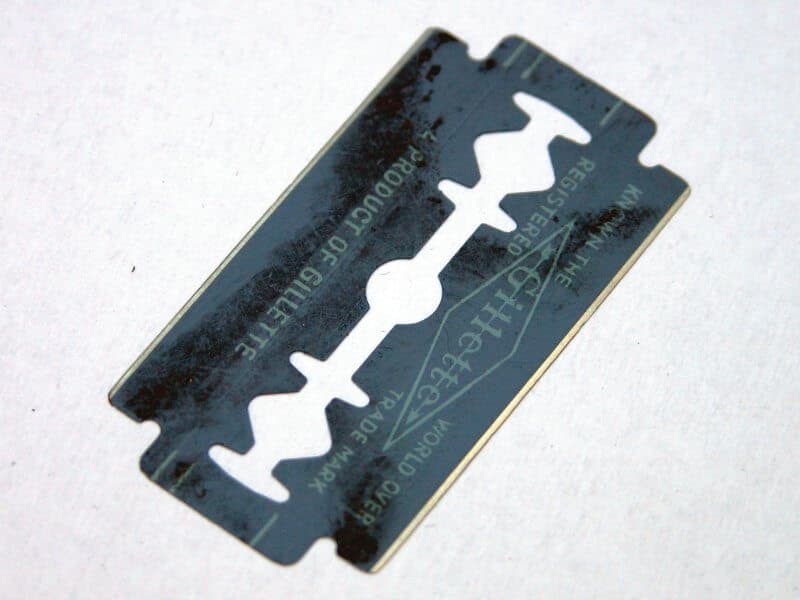
A double-edge razor blade often lands around 50 on the Brubacher Edge Sharpness Scale, but the sharpest blade on paper is not always the best blade on your face. Sharpologist argues that consistency, from the first shave to the last, matters more than a single dramatic number or one great first pass. That shift in focus changes how you pick blades, especially if you build samplers, shave sensitive skin, or notice that some blades feel brilliant once and then fall apart.
Why consistency beats a one-time sharpness win
The core argument is straightforward: a blade that stays predictable is easier to live with than one that starts brutally sharp and then gets erratic. Blade performance is more than just “sharp” or “not sharp,” and is a mix of grind, coating, toughness, and edge consistency. That matters because a blade can behave differently as the edge wears, and it can also react differently depending on the razor geometry and beard it meets.
That is the practical difference many wet shavers feel but do not always name. A blade that seems perfect on shave one can turn rough by shave three, while another blade may never feel flashy but keeps delivering the same result across a full tuck. For anyone comparing Feather, Personna, Astra, and Gillette in a sampler, the question is which one stays usable, comfortable, and repeatable in the same razor.
What the numbers can tell you
This is where BESS gives blade talk a more scientific footing. BESS stands for the Brubacher Edge Sharpness Scale, and it measures sharpness by the force required to cut standardized test media. Lower numbers mean a sharper edge, which makes it useful for comparing edges in a repeatable way instead of relying only on feel.
That does not decide how a blade will shave on your face, but it gives the conversation some structure. A blade can score sharply on a tester and still feel wrong if it is inconsistent, while a slightly less aggressive edge may be far more pleasant if it holds its character shave after shave.
Data and charts make that point harder to dismiss than one person’s favorite brand. The distinction is not between numbers and feel, but between two different questions: how sharp the blade is, and how stable that sharpness remains over time.
Why Gillette’s breakthrough still shapes the debate
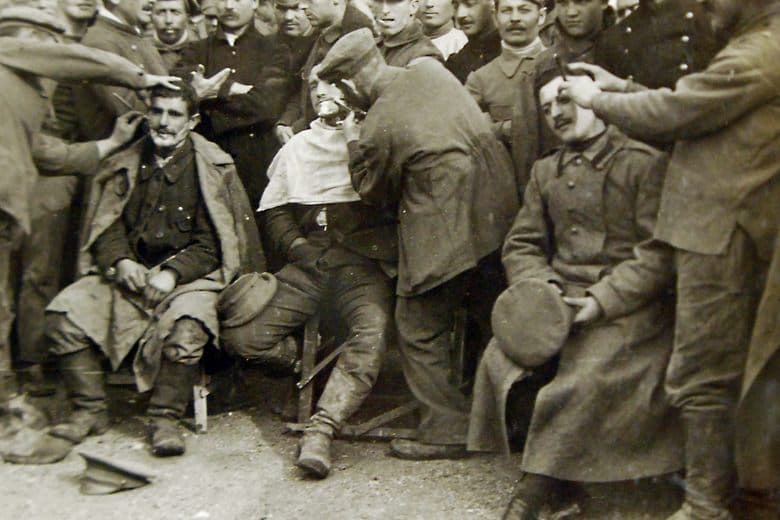
The modern obsession with replaceable blades started with King C. Gillette and the safety razor revolution. The American Safety Razor Company was formed in 1901, production began in 1903, and Gillette received his patent on November 15, 1904; that timeline appears in the Smithsonian’s National Museum of American History. The company was soon renamed the Gillette Safety Razor Company.
Gillette’s disposable-blade system changed shaving from a maintenance-heavy ritual into something far easier to do at home. Users no longer had to hone or strop a straight razor blade, which made blade replacement central to the whole category. Once the blade became disposable, the question shifted from how to maintain one edge forever to which edge best balanced sharpness, comfort, and repeatability.
How to read a blade the way your face reads it
The cleanest way to think about blade choice is to stop treating sharpness as one trait. A blade’s grind, coating, toughness, and edge consistency all shape the shave, and each one can matter more or less depending on the beard and razor in play. That is especially true if you shave every day, skip days between shaves, or have skin that complains when a blade gets grabby.
A practical way to judge a blade is to watch for repeatability across the full life of the edge. If a blade starts smooth, stays smooth, and gives the same result in the same razor, that is useful data. If it delivers one spectacular shave and then turns unpredictable, that is a sign the edge is not holding up in the way your routine needs.
For a sampler, that means looking for patterns instead of headlines. A blade that works in multiple razors, across several shaves, and without sudden changes in feel is often the smarter buy for a real-world rotation.
The market still has real demand for better blade judgment
The global razor blade market was at USD 3.42 billion in 2025, with growth projected through 2035. The global wet shave market was at USD 20.23 billion in 2024, with a climb to USD 47.89 billion by 2034. The double-edge razor blade market was above USD 1 billion globally in 2023.
Even in a market full of disposable convenience and cartridge habits, wet shavers keep returning to DE blades because they want lower irritation, better value, and more control.
This article was produced by Prism’s automated news system from verified source data, official records, and press releases, then run through automated quality and moderation checks before publishing. The system is built and supervised by the people who set the standards it runs under. Read our full AI policy.
Did this article answer your question?