Sharpologist debunks break-in myths for shaving brushes
Boar brushes really do change in use, but badger and synthetic knots mostly teach the shaver, not the other way around. Sharpologist says that is the break-in myth worth retiring.
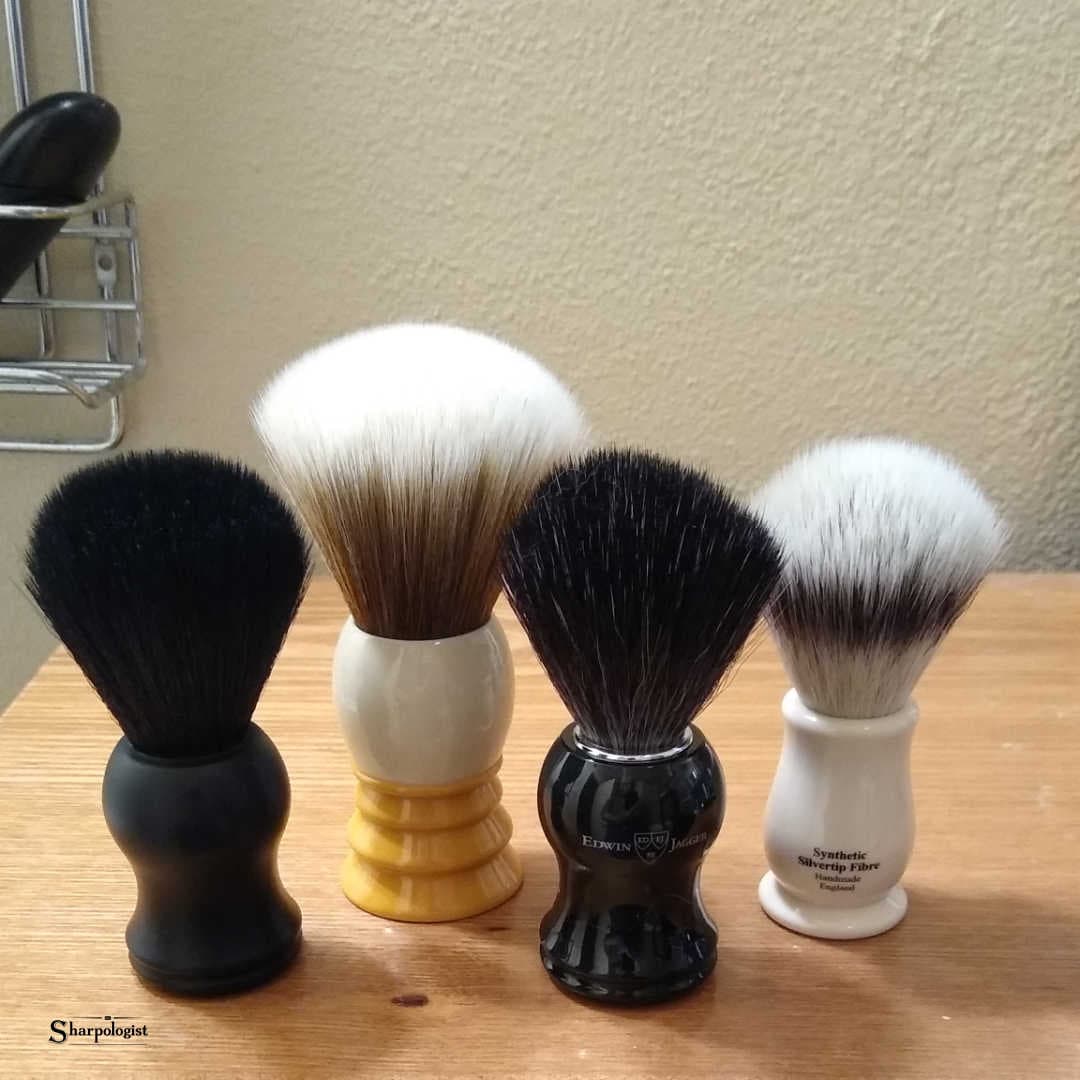
The biggest break-in mistake in wet shaving is treating every brush like a boar. Sharpologist’s latest take cuts through the blur of forum advice and gets specific about what actually changes, what only feels different with experience, and what has been myth all along. The short version is simple enough to reset a den of brush expectations: some knots evolve, some just get understood, and some never needed a ritual in the first place.
What break-in really means
In hobby talk, “break-in” has become a catch-all for a bunch of different sensations. Some shavers mean a brush feels softer, some mean it splays better, some mean it loads soap more predictably, and some mean it stops acting weird after a few uses. Sharpologist’s point is that those experiences do not all come from the same mechanism, and brushing them together only creates bad expectations.
The more useful way to think about a brush is by parts: individual fibers, fiber tips, fiber shafts, knot density, loft, and glue plug. That matters because only one of those layers meaningfully changes in use, and even then, only for certain materials. A new brush can absolutely feel better over time, but that improvement may come from your hand learning the knot instead of the knot physically transforming.
Sharpologist also frames the issue in a way that longtime shavers will recognize instantly: the hobby loves a ritual, but not every ritual has a mechanical cause. If a brush feels disappointing on day one, the answer may be patience, technique, or simply a different fiber type, not a secret soak, a special soap, or some fixed number of shaves.
Boar: the knot that truly breaks in
Boar is the category where the old advice actually has teeth. Sharpologist says boar brushes undergo meaningful physical change during break-in because their tips can split with repeated wetting and drying. That split-tip process changes the feel of the brush in a way that is real, visible, and easy to describe once you know what you are looking for.
Retailers use the same language. Maggard Razors says that once Omega boar brushes are broken in, the tips of the bristles begin to split and become very soft while the brush still provides plenty of backbone. Semogue says the same thing in its product copy, describing a short break-in period after which the tips split and soften. That is exactly the kind of change wet shavers have been talking about for years, and this is why boar gets treated as its own beast.
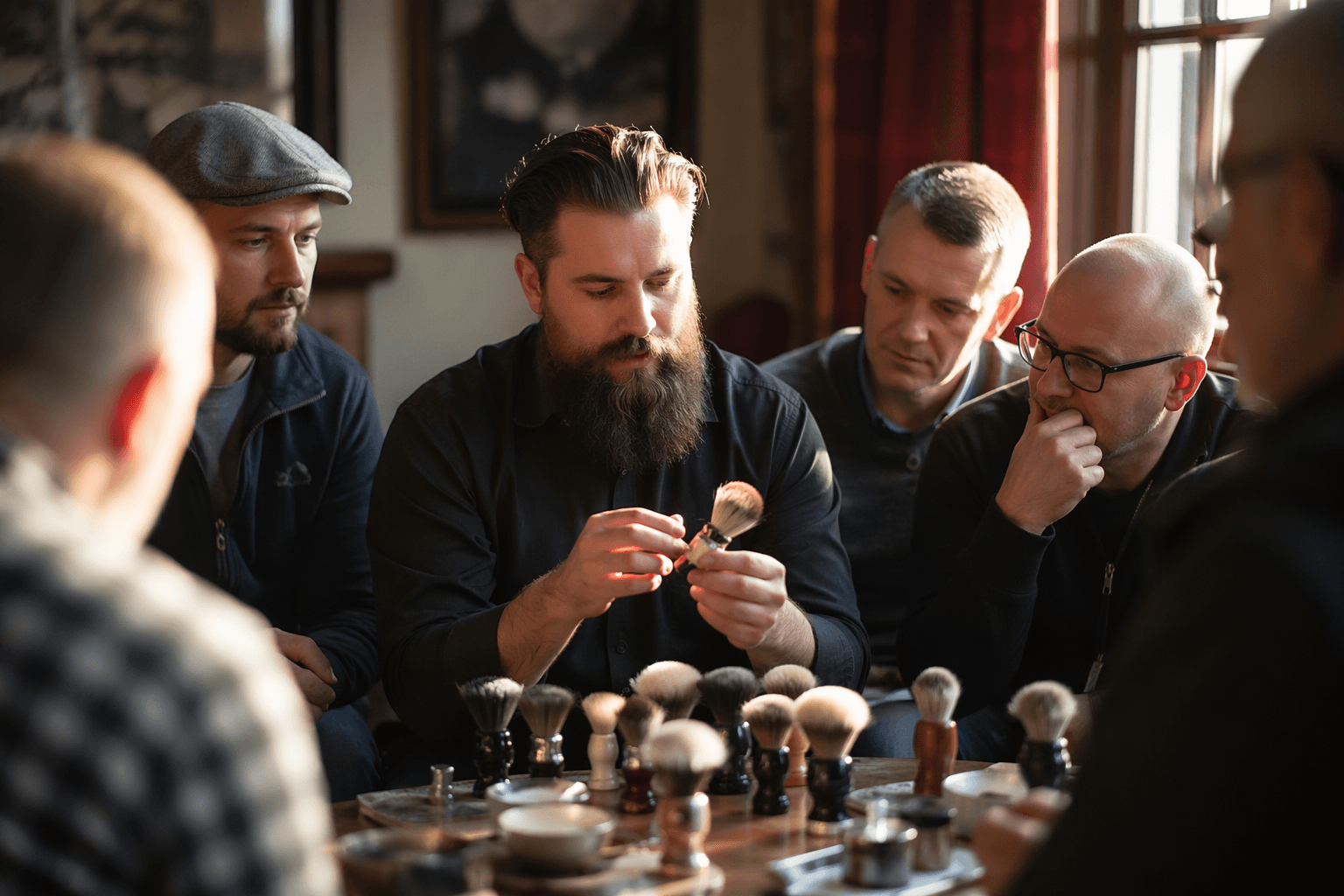
That said, boar break-in is not a magic countdown. The improvement is tied to the fiber itself, not to a fixed ritual or a universal number of uses. Some boars, especially softer or bleached ones, may need very little extra breaking in at all, which explains why one person’s “night and day” brush can be another person’s “already fine.”
Badger: the knot teaches you
Badger is where the myth starts to stretch. Sharpologist says badger brushes do not split in the same way boar does, so whatever improvement you notice over time is usually about the shaver adapting to the knot rather than the fiber changing. That distinction matters if you have ever bought a badger brush expecting it to bloom into something completely different after a few weeks.
This is also where the older, broader language around animal-hair brushes has to be read carefully. Sharpologist previously described animal-hair brushes, including badger, boar, and horse, as benefiting from break-in partly to reduce smell or funk and partly to improve use. The newer explanation narrows that old advice by separating true physical change from simple familiarity.
Badger can still feel more natural after a few shaves, but that is not the same as the tips splitting like boar. What changes is often your technique, your loading habits, and your sense of how much pressure the knot wants. In other words, the brush is not becoming a different object, you are learning its language.
Horse: the old bucket, now better understood
Horse brushes sit in the middle of the hobby’s older “animal-hair” conversation. They were part of the broader category Sharpologist once said could benefit from break-in, especially as a way to tame animal smell and improve how the brush behaved in use. That history helps explain why horse has long been spoken about alongside boar and badger, even when the underlying mechanics are not identical.
The newer, more technical view is useful here because it keeps horse from getting lumped into a one-size-fits-all story. If the habit is to assume every natural knot is supposed to go through the same dramatic metamorphosis, horse becomes another example of why the old language is too blunt. The more careful reading is that some brushes feel better because the knot is settling in, not because the fibers are undergoing a boar-style transformation.
Synthetic: stable by design
Synthetic brushes are the easiest place to see the difference between folklore and mechanics. Sharpologist says synthetic brushes do not split in the same way as boar, so any improvement you notice over time is mostly your own adaptation. The knot may soften in how you handle it, but the fibers are not going through the kind of physical evolution boar users watch for.
That is part of why the modern brush market has split so clearly between natural hair and synthetics. Simpson, which says it has been making brushes by hand since 1919, also sells dedicated synthetic-fiber brushes, and its Chubby series can contain more than 20,000 individual hair strands in a single knot. With knots built that densely, the real variables become loft, density, and fiber behavior, not a single universal break-in ritual.
Why the myth keeps surviving
The myth persists because boar break-in is real, visible, and satisfying to talk about. Forum culture has long treated split ends as the sign that a boar brush has matured, and that visible milestone has bled into the way the whole category gets discussed. Once a habit like that takes hold, it is easy for the word “break-in” to spread far beyond the material that actually earns it.
Sharpologist’s newer explanation is useful because it does not insult the old wisdom, it tightens it. Boar really does change. Badger, horse, and synthetic usually do not change in the same way, even if they get better in your hands. That is the difference that matters when a new brush feels stubborn: sometimes the fibers are evolving, and sometimes the real break-in is the shaver learning not to expect every knot to behave like a boar.
This article was produced by Prism’s automated news system from verified source data, official records, and press releases, then run through automated quality and moderation checks before publishing. The system is built and supervised by the people who set the standards it runs under. Read our full AI policy.
Did this article answer your question?