Sharpologist explains what single-blade razors really mean in wet shaving
Single-blade can mean a DE, injector, straight, shavette, or even a one-blade cartridge, so the label alone will not tell you how a razor will feel.
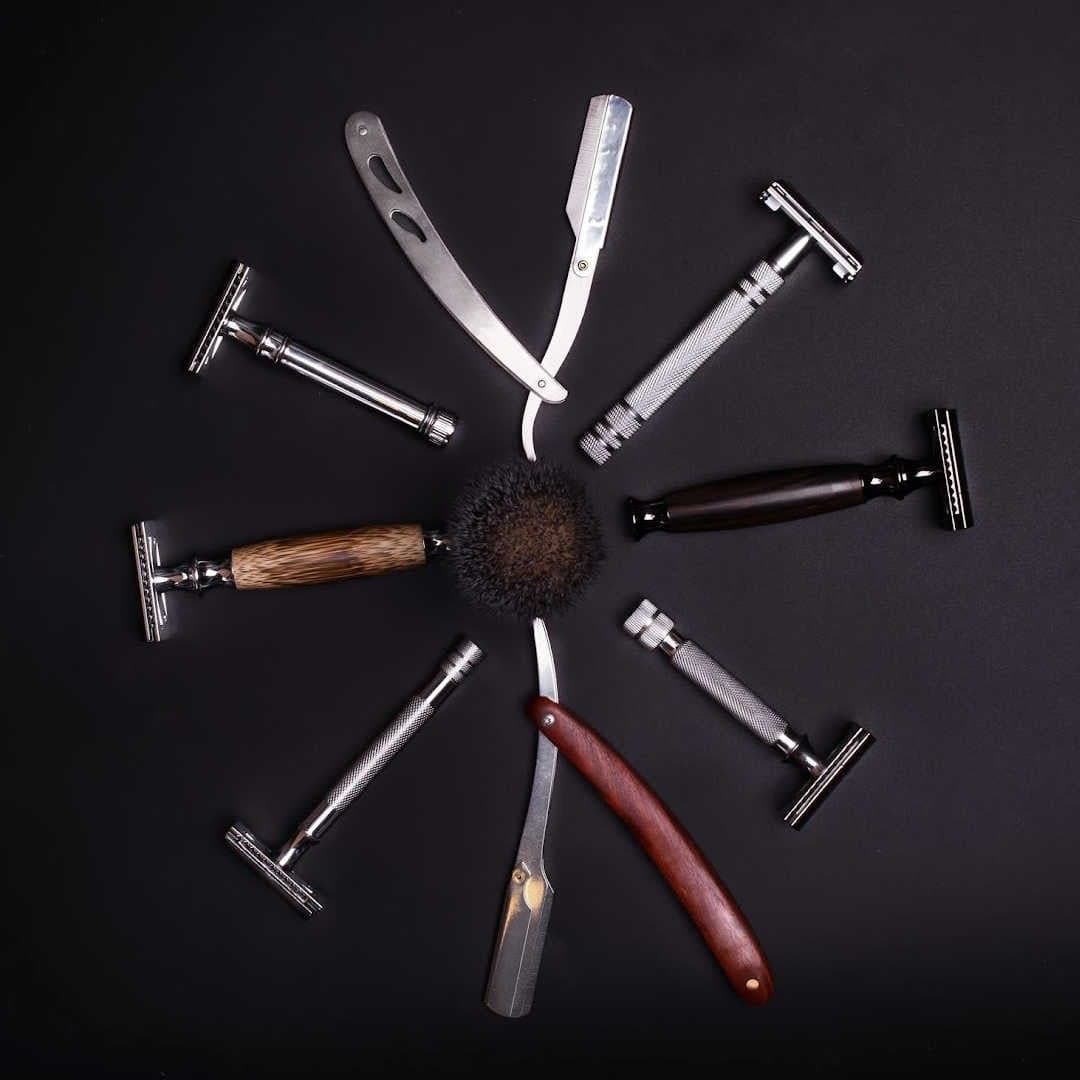
A DE safety razor and a straight razor both count as single-blade tools in practical use, but they do not shave the same way, look the same way, or demand the same technique. That one phrase can describe very different tools, and the difference matters when you are trying to avoid razor burn, ingrowns, clogged heads, or refill costs.
What “single-blade” actually covers
In a July 10 explainer, Sharpologist used single-blade as a family term, not a neat product category. In its broadest sense, it means a razor that uses one cutting edge against the skin instead of several stacked blades. That includes familiar double-edge safety razors, single-edge razors, injectors, straight razors, shavettes, modern pivoting single-blade designs, and even cartridge-like razors built around one blade.
That range is exactly why the label can mislead buyers. The cutting edge may be singular, but the head geometry, blade exposure, and feel on the face can be completely different.
Why the distinction matters for your skin
Fewer blades touching the skin on each pass can mean less repeated blade contact, more control, and, for some shavers, a gentler experience.
The American Academy of Dermatology says anyone can get painful, itchy razor bumps, and changing shaving habits can help prevent them. JAMA Dermatology says pseudofolliculitis barbae is relatively common in people with naturally curly hair and occurs in up to 60% of Black men. Multiple blades can increase friction, while a single-blade or fewer-blade razor may be kinder to sensitive skin.
That does not mean a single-blade razor is automatically the answer. A 2024 JAAD Reviews article found that the role of grooming practices in pseudofolliculitis barbae has not been fully elucidated. Technique, angle, pressure, and blade choice still matter every bit as much as the number stamped on the package.
The tools inside the same label are not interchangeable
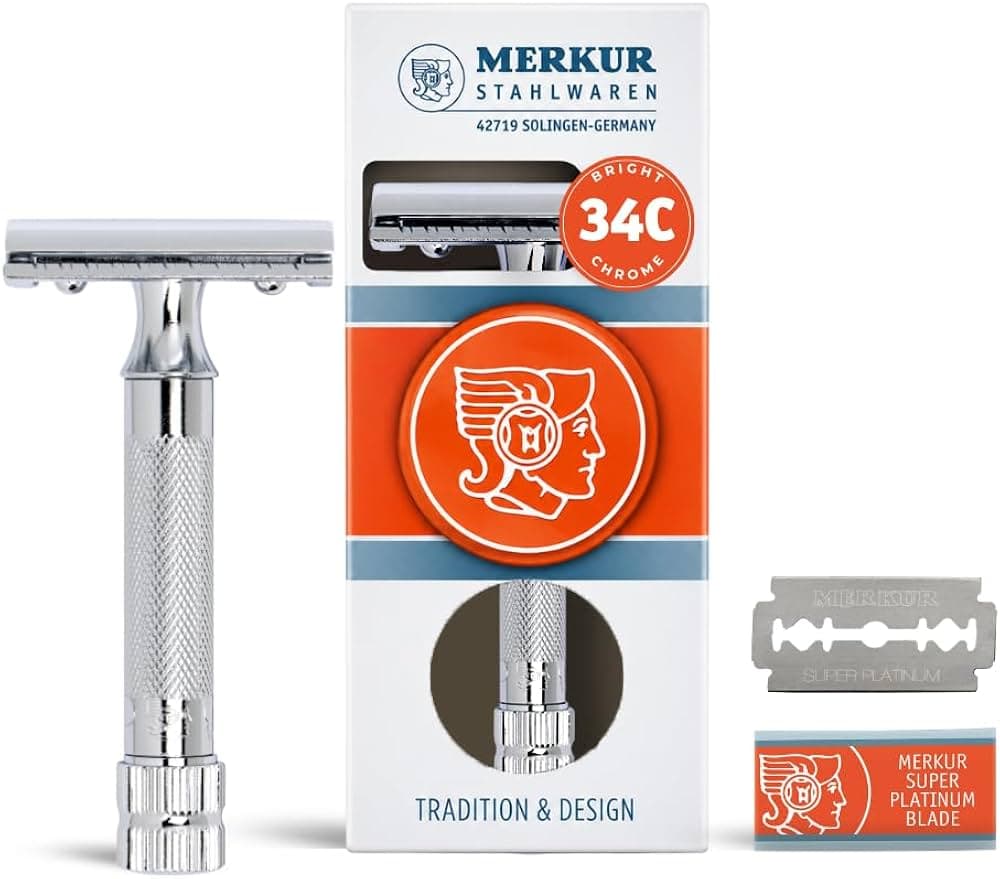
Safety razors and double-edge razors
For many wet shavers, “single-blade” first means a safety razor, especially a double-edge model. These razors have been part of shaving history for centuries, with safety-razor guards existing since at least the 1700s and an early guard razor often traced to a French invention around 1762.
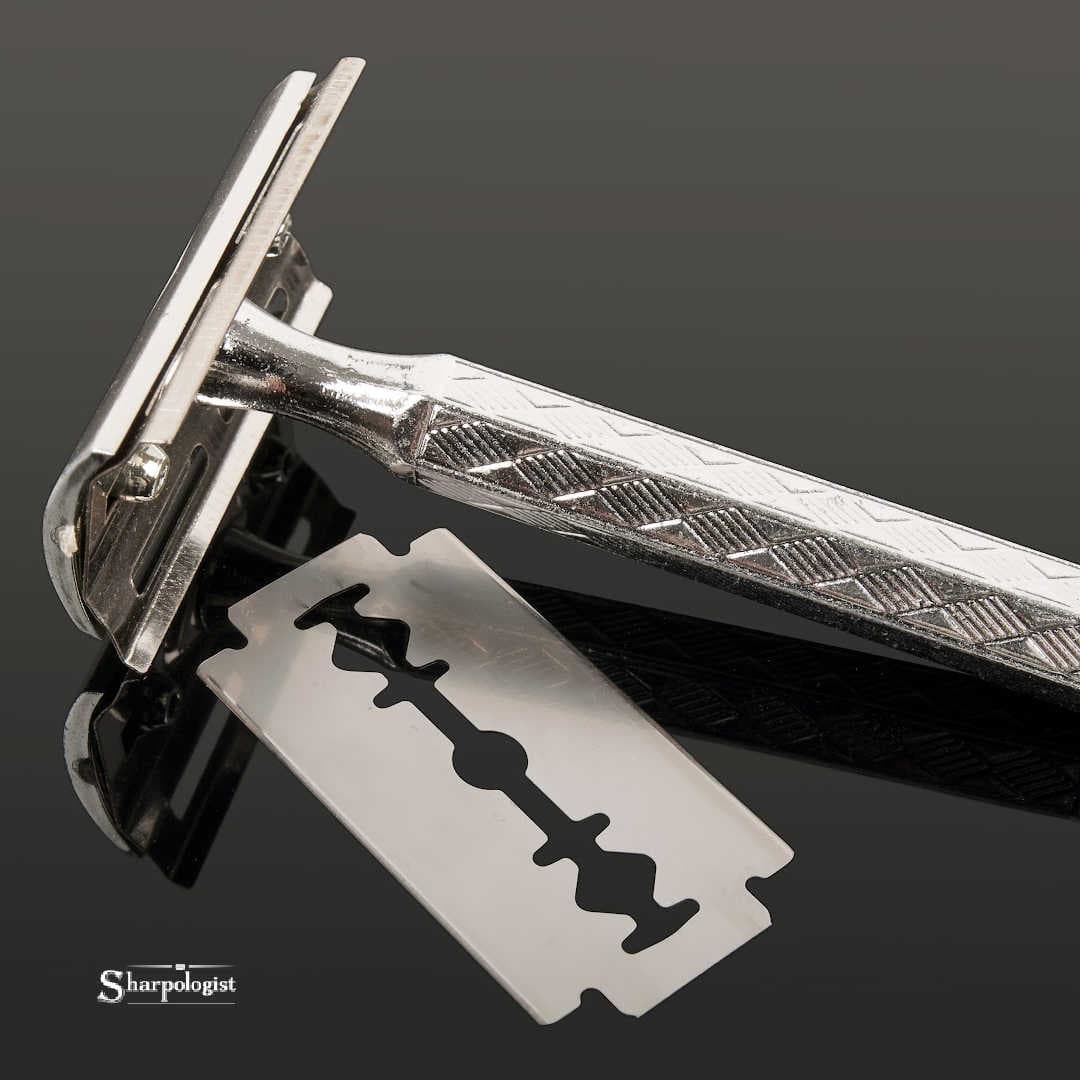
King C. Gillette brought the double-edge safety razor into wider public use in the early 1900s. The U.S. Army issued Gillette shaving kits to soldiers during World War I, which helped make DE razors familiar to a much broader audience.
Injectors, straights, shavettes, and cartridge-style singles
Injectors sit in a different part of the same family. They were designed to reduce blade handling and make blade changes faster, which solved a very practical problem for everyday users. Modern cartridge design later borrowed from injector-style mechanics, even as multi-blade cartridges went in a different direction.
Straight razors and shavettes also fit the single-blade description, but they change the equation again. They bring a different angle, a different learning curve, and a different shaving feel from a DE or injector. Even a modern pivoting single-blade design can be “single-blade” without feeling anything like a traditional safety razor, which is why the term alone cannot tell you how a tool will perform on your face.
History explains why the term stayed fuzzy
The reason this language stays messy is that shaving technology has evolved in layers, not clean breaks. The move from guarded edges to DE safety razors, then to injectors, then to cartridges, created overlapping categories rather than a single straight line. A one-blade cartridge may be marketed as modern and convenient, while a straight razor can feel old-school and exacting, yet both still belong under the single-blade umbrella.
The FDA classifies a surgical razor as a manual surgical instrument for general use, which shows how differently the word “razor” can function in non-shaving contexts.
How to choose without getting boxed in by marketing
If your main goal is less irritation, the important variables are blade count, razor design, angle, pressure, and how much control you want over the shave. If your main goal is cost control, the issue may be refill expense rather than shave feel. If your main goal is ease of use, the difference between a DE, injector, shavette, and straight matters more than the marketing shorthand.
- A DE safety razor may be the easiest entry point if you want a familiar single-blade feel with broad blade availability.
- An injector can be appealing if you want quick blade changes and less handling.
- A straight or shavette makes sense if you want maximum blade control and are willing to work for it.
- A cartridge with one blade may fit convenience-first routines, but it should still be judged by head design, not just the blade count.
A practical checklist helps cut through the noise:
This article was produced by Prism’s automated news system from verified source data, official records, and press releases, then run through automated quality and moderation checks before publishing. The system is built and supervised by the people who set the standards it runs under. Read our full AI policy.
Did this article answer your question?