WhollyKaw founder says soap performance matters more than tallow or vegan labels
Sri pushes the soap debate past tallow vs. vegan labels and into the lather traits that actually decide a shave: slickness, cushion, water tolerance, and consistency.
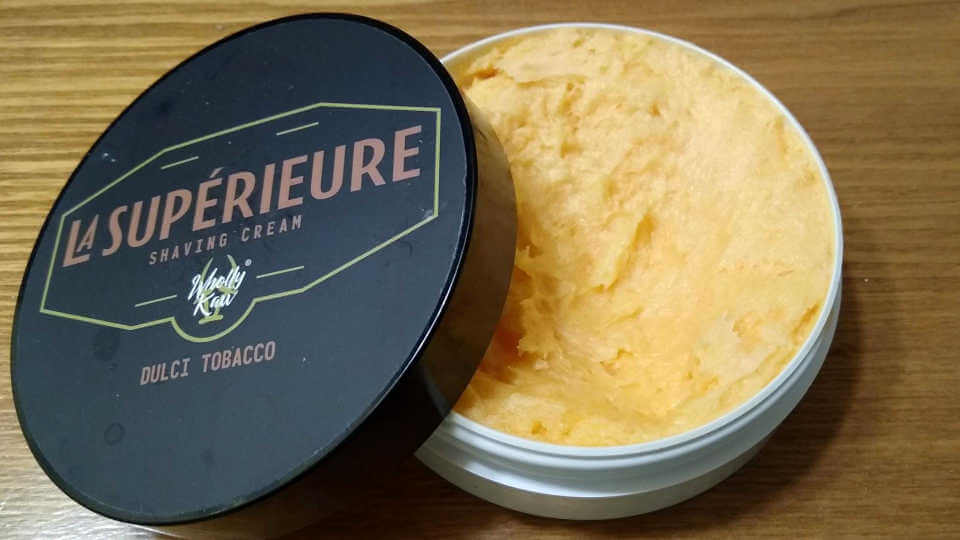
Sri wants wet shavers to stop using “tallow” as a shortcut for quality. The WhollyKaw founder’s argument is blunt: what matters is the finished formula, how it saponifies, and how it behaves on the face, not whether the fat source came from an animal or a plant. That view lands hard in a community that still loves to split soaps into camps, because it shifts the conversation from tribal labels to the things that actually change a shave.
Why the label is not the whole story
WhollyKaw’s own lineup makes the point hard to ignore. Sri says the brand runs four tallow-based bases on one side of the room and a fully vegan line on the other, all on the same bench, and he says the company makes 69 shaving soaps across those tallow and vegan bases. That is not the profile of a maker treating one formula as a second-class option. It is a practical example of how both approaches can coexist inside the same artisan house when the real work is done in the formulation.
That is also why the old “tallow good, vegan bad” shorthand keeps falling apart. Wet Shaving Products has made the same core point in its own guidance, and The Razor Company has gone further by noting that modern vegan formulations are increasingly comparable to traditional tallow soaps. The debate only looks simple if the only thing you check is the ingredient panel.
What actually creates a good shave
Soap performance starts with saponification, not branding. Once fats are turned into fatty acid salts, the final shave depends on the mix and balance of those salts, plus how well the soap is cured. Sri’s framing puts the focus where shavers can feel it immediately: the structure of the lather, how easily it loads, how much water it accepts, and how it behaves through the pass.
That chemistry matters because different fatty acids do different jobs. Stearic and palmitic acids build cushion, density, and stability, which is why a soap can feel protective and substantial on the face. Oleic and ricinoleic acids contribute slickness and glide, which is what lets the razor move cleanly without feeling sticky or dry.
Britannica’s description of tallow lines up with that chemistry lesson. It identifies tallow as being made mainly of oleic, palmitic, and stearic acids, and notes that it was used chiefly to make soap and candles until synthetic surfactants changed its industrial role. That history explains why tallow became a default in traditional soapmaking, but it does not prove that the label itself guarantees a better shave.
What to evaluate when you open the tub
If you are trying to judge a soap on merit, the right questions are practical, not ideological. The tub should tell you how the soap behaves, not just what the base is called. A good formula can be animal-based or vegan, but the shave will still live or die by the same handful of traits.

Look at these factors:
- Slickness: the razor should keep moving without dragging, especially on the second and third passes.
- Cushion: the lather should create enough body to soften blade feel without turning airy or meringue-like.
- Post-shave feel: the skin should feel calm and comfortable after the rinse, not stripped.
- Water tolerance: the soap should keep accepting water without collapsing into bubbles or drying out.
- Consistency: the lather should behave the same way each time you load it, not swing wildly from perfect to weak.
That list is more useful than any animal-versus-plant label because it matches the way shavers actually experience a soap. Two tubs can both say tallow, and one can be superb while the other feels flat. The same is true on the vegan side, where a well-built soap can load fast, lather easily, and give a clean, comfortable shave.
Why the broader evidence keeps pointing the same way
The tallow conversation also spills beyond shaving into skincare, and that wider context adds another layer of caution. A 2025 PubMed-listed scoping review notes that tallow has long been used in soaps and skincare products and examined current research on its therapeutic benefits for skin. But a 2026 PubMed-listed social-media analysis reached a much stricter conclusion, saying the evidence is insufficient to support beef-tallow skincare claims and that many promotions show financial bias.
That matters because it shows how quickly ingredient nostalgia can outrun evidence. In wet shaving, tallow may still be a valuable component, but it is not a magic flag that overrides everything else in the formula. The same goes for vegan bases, which do not need apology if the maker has nailed the fatty acid balance, cure, and post-shave finish.
What the den-floor test already shows
The most convincing part of Sri’s case is how it holds up in actual use. At least one Badger & Blade user said they could not tell the difference between WhollyKaw’s vegan and tallow bases in blind-ish testing. That kind of comment does not settle every soap debate, but it does underline the real takeaway: the shave can be defined by performance, not by the label on the container.
Sri’s message lands because it is rooted in what shavers already do when they are honest with themselves. They do not keep a soap because it is tallow. They keep it because it loads well, takes water, builds a stable lather, protects the skin, and finishes clean. That is the standard that should decide the next tub on the shelf, and it is the standard that makes the old tallow-versus-vegan split feel smaller than the shave itself.
This article was produced by Prism’s automated news system from verified source data, official records, and press releases, then run through automated quality and moderation checks before publishing. The system is built and supervised by the people who set the standards it runs under. Read our full AI policy.
Did this article answer your question?