Shaving cream vs shaving soap: which wet shave suits you best
Cream gets you to lather fast; soap rewards the slower brush routine. The best wet shave matches your weekday pace, travel needs, and skin.

Shaving cream gets you to a usable lather quickly and with less fuss, while shaving soap asks for more brush work and gives back the kind of control and ritual many wet shavers enjoy. The better choice depends on how much time you want to spend at the sink, how often you face-lather, and how much you value an easy weekday shave versus a slower, more deliberate one.
Speed, ritual, and the everyday shave
Shaving cream is usually the faster path because it is softer and already contains more water, so it loads onto a brush quickly and can sometimes be used by hand. Shaving soap is firmer, usually sold as a puck, stick, or bowl, and it asks you to build the lather step by step. That extra work is exactly what makes soap feel like a craft to some shavers and a hassle to others.
If you want to get through a weekday shave without much friction, cream fits that rhythm well. If you enjoy brush work, spend time face-lathering, and like seeing the lather change as you add water, soap gives you more of that hands-on experience.
Why shaving cream feels effortless
Cream is the easier entry point because it is forgiving. A small almond-sized amount is often enough for a full shave, which makes portioning simple and keeps the routine predictable. It is also the format most likely to reduce frustration for a newcomer who is still learning how much product, water, and brush pressure produce a stable lather.
Cream often becomes the default for daily shaving. It suits the shaver who wants speed, minimal setup, and a quick rinse at the end. A product like Cyril R. Salter Classic Almond fits that lane well, because it represents the familiar cream experience: easy loading, straightforward lathering, and a shave that gets moving fast.
Cream also works well when you want comfort without a long build-up. Because it already carries more water, it can be less demanding to whip into shape, especially if you are not interested in spending extra time on the lather itself.
Why shaving soap rewards the brush
Soap takes a different route. Whether it comes in a puck, a stick, or a bowl, the process starts with loading the brush from the soap itself, then adding water gradually until the lather turns glossy and slick. That slower build takes practice, but it gives you more control over density, hydration, and the final feel on the face.
This is where soap earns its loyal following in wet shaving. If face-lathering is part of your routine, soap turns the loading and building of lather into the heart of the shave rather than a setup step. Many shavers enjoy that ritual as much as the result, because the process feels deliberate and hands-on instead of automatic.

Soap also tends to last longer, which is why it often makes sense for people who measure value over time rather than speed alone. A stick like Tabac Original Shaving Soap Stick shows how practical soap can be too, especially when you want a format that still delivers the traditional brush-lather experience without feeling overly elaborate.
Skin prep still decides how the shave feels
The cream-versus-soap question sits inside a bigger rule: good shaving starts with prep. The American Academy of Dermatology recommends shaving after warming and wetting the skin, using shaving cream or gel, shaving in the direction the hair grows, and replacing disposable razors after 5 to 7 shaves. The end of a shower, or a warm, damp washcloth held to the area, loosens hairs so they are less likely to curve into the skin.
The Cleveland Clinic warns that razor burn is common, and it is more likely when you shave too fast, use an old razor, or go against the direction of hair growth.
Why the old-school appeal never left
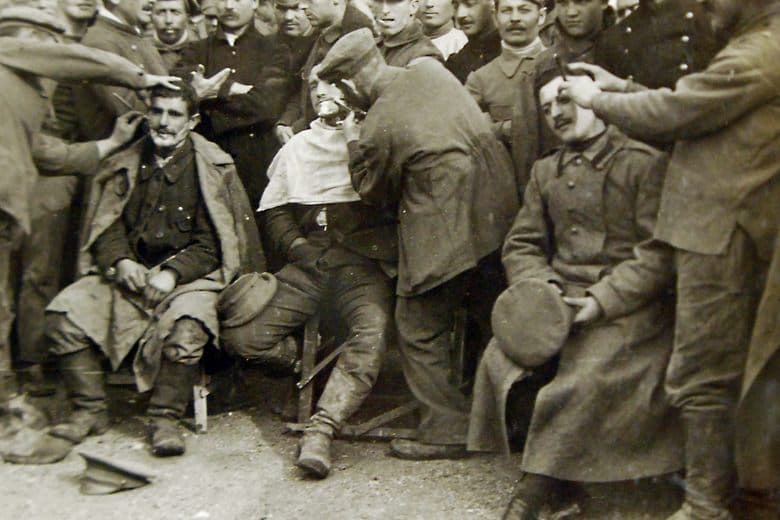
Soap keeps its place in wet shaving because the ritual has deep roots. Solid gold and copper razors have been found in Egyptian tombs from the 4th millennium BCE, and the first safety razor in the United States was produced in 1880 before King Camp Gillette refined the idea in the early 20th century. By the early 1900s, being clean-shaven had become tied to basic hygiene, and Gillette’s 1904 safety razor made at-home shaving easier.
Companies have long linked shaving products with attractiveness, masculinity, femininity, hygiene, and modernity.
A market that still has room for both
The Business Research Company valued the global shaving preparations market at $0.89 billion in 2025, expects it to reach $1.01 billion in 2026, and projects $1.77 billion by 2030. Rising demand for self-grooming products is one of the forces pushing that growth, alongside premium grooming brands and skin-friendly formulations.
This article was produced by Prism’s automated news system from verified source data, official records, and press releases, then run through automated quality and moderation checks before publishing. The system is built and supervised by the people who set the standards it runs under. Read our full AI policy.
Did this article answer your question?