Straight razors vs shavettes, what wet shavers need to know
The real choice in open-blade shaving is not the shape in your hand. It is whether you want to maintain a true straight razor for years or keep things simple with replaceable blades.

Cut-throat razor is British for straight razor in wet shaving. The other path, the shavette, looks close enough to fool a casual glance, yet it changes the whole experience by replacing a permanent blade with disposable inserts. That is where the open-blade decision really lives: in upkeep, blade format, and how much skill you want to carry from shave to shave.
Start with the edge, not the handle
A straight razor is a fixed-blade tool that gets maintained, stropped, and used for years, while a shavette keeps the same silhouette but swaps in replaceable blades. DOVO Stahlwaren GmbH describes the shavette as “the straight razor with replaceable blade.”
In practice, the straight razor asks you to become part of the tool’s life cycle, while the shavette asks only that you load a fresh edge and shave. If you are trying to decide what to buy, the first question is not which one looks more traditional. It is whether you want a permanent blade or replaceable blades.
The straight razor is built around maintenance
The straight razor side of the decision tree is all about ritual and responsibility. DOVO’s care guidance directs users to strop before every shave, dry the razor after use, and hone only when stropping no longer restores the edge. It also warns beginners not to hone, because an incorrect pull can ruin the edge.

This is why the straight razor appeals to shavers who want the old-school rhythm of the craft. A well-kept blade can last for generations, and DOVO, which handcrafts straight razors in Solingen, Germany, treats them as heirloom tools rather than consumables. It asks you to learn stropping, respect the edge, and care for the blade over time.
Shavettes strip away the upkeep
The shavette keeps the open-blade feel but cuts out the chores that come with a permanent edge. There is no honing, no stropping, and no long-term edge maintenance, because the blade is designed to be replaced. That makes it the lower-commitment route for anyone who wants precision and directness without taking on the upkeep that comes with a true straight razor.
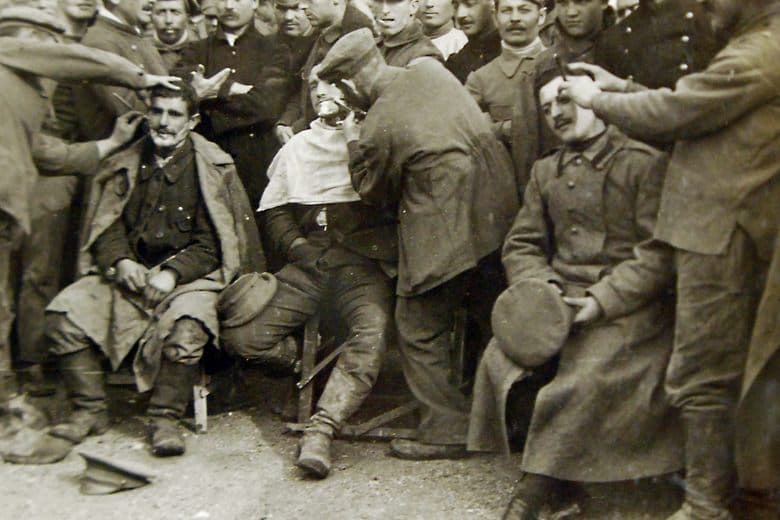
That trade-off is especially visible in barbershop use. Shavettes are practical in shop settings because replaceable blades reduce maintenance and support hygiene practices, and state barber regulations require facilities to be clean and sanitary at all times. Fresh blades make that easier to manage in a busy chair, which is a big reason the format feels so at home in professional hands.
History explains why the split still matters
The difference between these tools makes more sense once you look at where shaving came from. Shaving implements appear in prehistoric cave drawings showing clam shells, shark’s teeth, and sharpened flints, and solid gold and copper razors have been found in Egyptian tombs from the 4th millennium BCE.

The modern turn toward lower-maintenance shaving came when replaceable blades arrived. King C. Gillette began manufacturing a double-edged replaceable-blade safety razor in the early 20th century, a shift that helped normalize the idea of swapping in a new edge instead of preserving the old one. The straight razor never disappeared, but the replaceable-blade world made a different kind of shaving culture possible.
How to choose without getting lost in the romance
The open-blade choice gets clearer when you strip away the nostalgia. If you want a tool that rewards patience, regular stropping, and a willingness to learn the edge, the straight razor is the deeper commitment. If you want the feel of an open blade without the burden of honing and blade preservation, the shavette gets you there faster and with far less maintenance.
A simple way to sort the decision is to ask yourself what part of the process you actually want to own:
- If you want a heritage tool that can last for generations, lean straight razor.
- If you want the open-blade technique with replaceable blades, lean shavette.
- If you like the ritual of stropping and drying after every shave, the straight razor fits.
- If you want quick blade changes and a cleaner shop-friendly routine, the shavette fits.
- If you are still learning whether you enjoy the open-blade style at all, the shavette is the lower-commitment entry point.
This article was produced by Prism’s automated news system from verified source data, official records, and press releases, then run through automated quality and moderation checks before publishing. The system is built and supervised by the people who set the standards it runs under. Read our full AI policy.
Did this article answer your question?