Tatara explains how razor geometry shapes comfort and closeness
Tatara argues that comfort comes from fit, not bravado. The real question is how comb style, skin, beard, and technique work together.

A razor is not “good” in the abstract. Tatara’s message is that the right razor is the one whose geometry, feel, and blade exposure match your beard, skin, and hand, and that is a very different way to shop than chasing the most aggressive setup on the shelf.
Geometry before aggression
Tatara’s own origin story fits that logic. The company says it was formed in September 2016 in Porto, Portugal, by three friends and mechanical engineers who were responding to a market crowded with non-differential double-edge razors. From the start, the pitch was not brute force but refinement: a clean, elegant safety razor built for smooth, efficient shaving.
That framing matters because it turns razor choice into a diagnostic exercise. Instead of asking which razor looks the most serious, Tatara pushes shavers to ask what the beard actually needs, how much exposure the skin can tolerate, and how much control the razor gives back in the hand.
Open comb or closed comb is not a cosmetic choice
The first practical split is comb style, and Tatara treats it as a core part of the shave, not a visual detail. The brand says its open comb plate is designed to guide stubble against the blade, which makes it easier to cut longer and thicker hair. Its closed comb plate, by contrast, is presented as the smoothest and most popular option, with less blade exposure to the skin.
That lines up with broader wet-shaving guidance. Sharpologist describes open-comb razors as generally more aggressive and efficient, often better for experienced shavers or routines with more growth to clear. Closed-comb or safety-bar razors are usually milder and more forgiving, especially for beginners and people with sensitive skin. In practice, that means the comb is doing more than shaping feel: it is deciding how much of the blade work reaches your face.
For a fast check before buying, the decision often comes down to what you are asking the razor to do:
- If your beard is longer, denser, or thicker, an open-comb design can help keep the blade engaged with the stubble.
- If your skin reacts easily, a closed-comb design gives a calmer, more forgiving face feel.
- If you shave less often, the open comb’s efficiency can matter more than a smoother look on paper.
Match the tool to the beard and the skin
Tatara’s educational material repeatedly comes back to the same point: sensitive skin generally benefits from milder razors, while curly or thick beards may call for something more aggressive. That is the kind of guidance wet shavers tend to rediscover the hard way, usually after buying a razor that was impressive in theory and irritating in use.

Murphy and McNeil makes the same distinction from another angle. It says sensitive skin often does better with a closed comb and a mild blade gap, while coarse beards may suit open comb or adjustable razors. That is the practical framework Tatara wants readers to use: skin sensitivity is not a side note, and beard density is not something to work around after the fact. They should shape the razor choice from the start.
The clearest takeaway is that “more aggressive” is not the same as “better.” A razor that exposes more blade may feel efficient on the first pass, but if it creates irritation, it is losing the very performance the shaver wanted. The better question is whether the razor gives enough efficiency for your beard without forcing your skin to pay for it.
Technique still decides the result
Tatara does not separate hardware from handling. Its shaving instructions stress holding the cap correctly, using gentle strokes, and avoiding pressure that can turn a capable razor into an irritating one. That is where a lot of wet shaving still lives: the razor can help, but it cannot compensate for heavy hands or a bad angle.
Tatara’s titanium model underlines that point in a different way. The company says the titanium razor is roughly 55% lighter than the stainless-steel version, and it argues that the lighter weight gives users more control over pressure, angle, and direction. In other words, the lighter build is not just about feel in the hand, it is about making technique easier to repeat.
Blade care fits into the same system. Tatara recommends replacing a blade when it becomes dull or after about 2 to 5 shaves, depending on the routine. A tired blade can tempt shavers into pressing harder, and that is exactly the kind of chain reaction that turns a well-chosen razor into a rough one.
Prep is part of the razor conversation
Tatara’s guidance does not stop with the razor head. Its soap advice says rich lather provides lubrication and protection, while its brush guidance frames brushing as part of a unique shaving experience with long-lasting results. That may sound like grooming language, but the practical point is simple: prep changes how the blade meets the beard and how the skin handles the pass.
Seen together, the company’s pages point to a full system rather than a single tool. Razor geometry matters, but so does lather quality, brush use, pressure, angle, and how long a blade stays sharp. The closest shave is not automatically the best shave if the rest of the routine is fighting the razor instead of supporting it.
A modern lesson with old roots
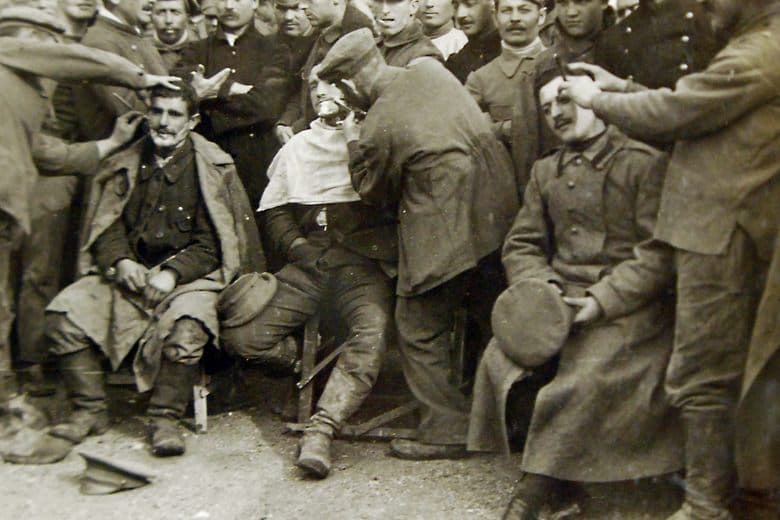
Tatara’s advice also sits comfortably inside the longer history of safety razors. Britannica says protective devices on razors have existed since at least the 1700s, that a safety razor with a guard was manufactured in the United States in 1880, and that King Camp Gillette developed a disposable-blade safety razor and founded the Gillette Safety Razor Company in 1901. The whole lineage points in the same direction: shaving tools have long been designed to reduce risk, improve control, and make repeatable results easier to achieve.
That is why Tatara’s framework lands so cleanly. It treats comfort and closeness as something built from fit, not from aggression alone. The next time a razor is tempting because it promises more blade feel, the better test is simpler: does it suit the beard, suit the skin, and let the hand do less work?
This article was produced by Prism’s automated news system from verified source data, official records, and press releases, then run through automated quality and moderation checks before publishing. The system is built and supervised by the people who set the standards it runs under. Read our full AI policy.
Did this article answer your question?