Bowl-coring systems compared, Oneway, Woodcut and McNaughton reviewed
The best coring system is the one that matches your lathe, your comfort with setup, and the kind of nested bowls you want to pull from one blank.
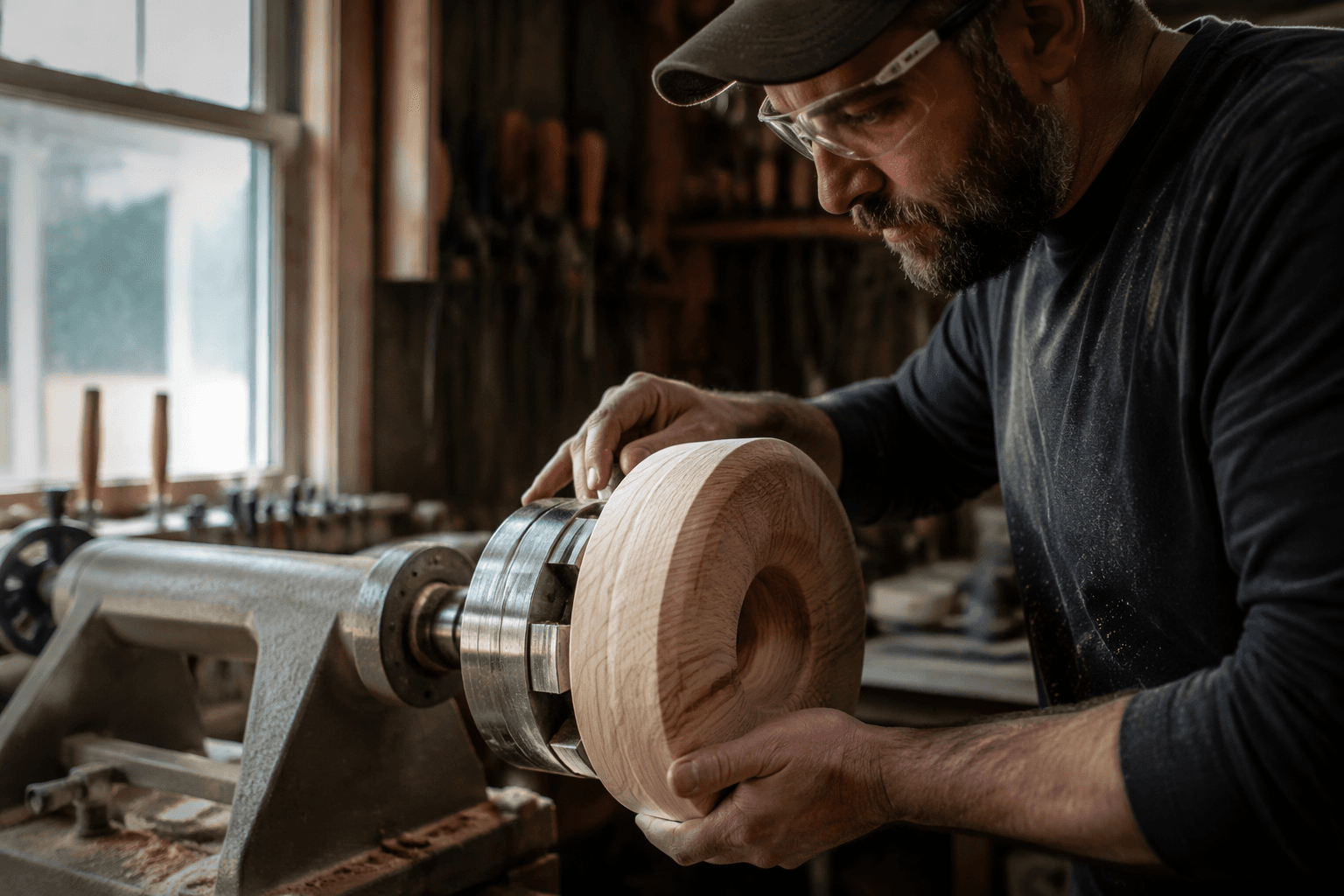
The 2007 *American Woodturner* review treated bowl coring as an engineering choice, not a novelty. That is still the right way to shop for a system that has to fit your lathe, your blanks, and your patience.
What coring actually buys you
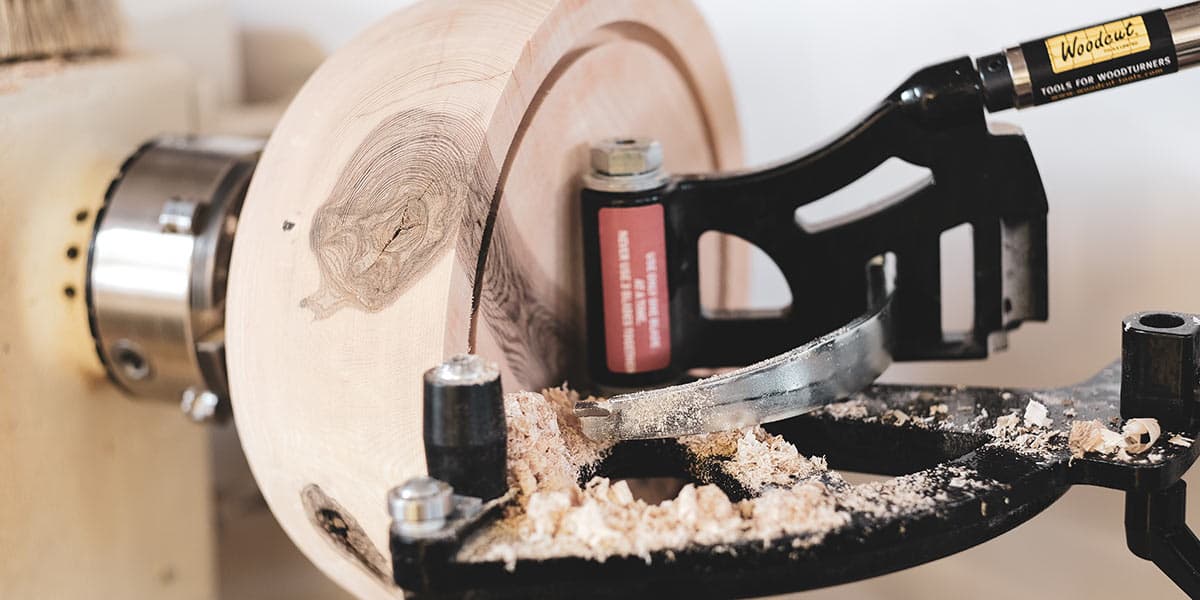
Coring is about getting several bowl blanks from one parent blank while leaving more of the useful wood intact. You save money by getting several bowl blanks from a single blank, and you save time by removing less interior material before the final turning begins. That matters most when the blank is costly, the figure is worth preserving, or you want nested sets that stay visually related across sizes.
The older industrial machines prove the logic in hard numbers. They could cut three to four bowls from a blank at the same time, which is the economic argument behind the small-shop systems that followed.
The four systems worth comparing
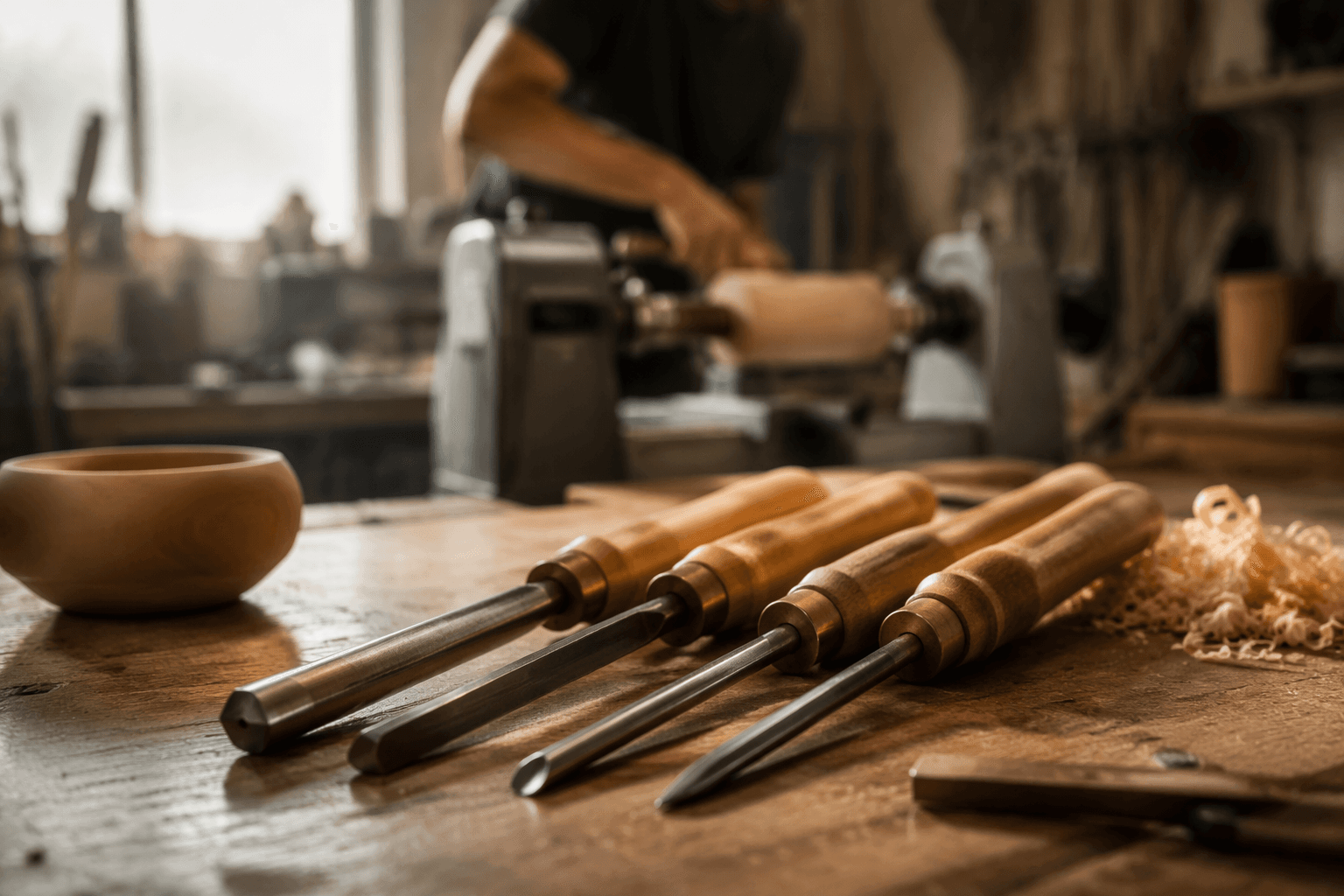
Joe Fleming’s coring tutorial groups the classic bowl-saving tools into one family: the Stewart Slicer, the Woodcut Bowl Saver, the McNaughton Bowl Saving System, and the Oneway Easy Core System. That is the right comparison set because the choice is not just brand loyalty or price. Size range, shape flexibility, ease of use, layout, knife selection, stock preparation, and the lathe’s power and speed all change how each system feels in the shop.
The Stewart-style cone corers represent the older, straighter approach. Straight-bar cone corers like the Stewart were available in the 1980s, which makes them the historical baseline for turners who want a simpler geometry and a more direct cut path. They make sense when you want a more predictable setup and do not need the widest range of bowl curves.
The Woodcut Bowl Saver comes out of the early New Zealand wave of small-shop coring, alongside the McNaughton Center Saver. In a forum history thread, a contributor placed the McNaughton first and the Woodcut next, around 1995, when coring was becoming a production tool for smaller shops rather than a one-off experiment. Woodcut’s current line, including Original and Max4 variants, shows that the company kept refining the idea instead of freezing it in one form.
The McNaughton Bowl Saving System is the system turners reach for when curve flexibility matters. Its place in the lineup makes sense for bowls that are not all the same profile, because the whole point of that design family is that you can steer the cut to suit the blank rather than forcing every blank into the same mold. That suits irregular forms, live-edge variation, and nested bowls with more shape freedom.
The Oneway Easy Core System is the most confidence-oriented of the group. Its support method, Oneway says, reduces leverage on the cutter arm and is meant to make coring less unnerving, even for novice turners. That matters because coring is not only about material yield, it is also about how much strain and nervousness you bring to the cut, especially when the blank is large or the tool seems to be hanging far out in space.
Where each system pays off in the shop
If your work is production-minded and you want repeatable nested bowls, the systems with the most straightforward layout and most predictable knife behavior will feel easiest to organize around. The payback comes from clean stock preparation, efficient mounting, and the ability to remove cores without turning half the blank into chips. In that use case, the real win is not just speed, it is consistency from one blank to the next.
If your priority is shape flexibility, the McNaughton style stands out because the setup lets you adapt to the blank instead of flattening every decision into one fixed path. That is useful when the grain, diameter, or natural edge makes every blank a little different. The tradeoff is that the more adaptable the system, the more attention it asks from you in the first setup and in the cut itself.
If you want a tool that feels less intimidating at the lathe, Oneway’s Easy Core approach is built around reducing leverage on the cutter arm. That design choice does not eliminate the need for good technique, but it does lower the feeling that the tool is fighting you for turners who have avoided coring because the arm load and the overhang looked awkward.
If you want the clearest historical bridge to the older cone-corers, the Stewart style keeps the geometry simple and keeps the system easy to understand at a glance. It sits on the more mechanical end of the spectrum, which is useful when you prefer a direct tool path and do not need the broadest range of bowl profiles. That simplicity can be a virtue when the blank is generous and the goal is to keep the process easy to read.
The setup details that separate a good day from a bad one
Horsepower, mounting, coring speed, removal of the cores, sharpening, finding the bottom of the bowl, and drying the blanks are the core of the conversation. Those are the steps that determine whether a coring system feels efficient or awkward in actual use. A system that looks elegant in the catalog can still be a poor fit if your lathe lacks the power, your mounting method is fussy, or your knife behavior makes the bottom hard to locate.
That is why setup complexity matters as much as yield. Some systems ask more from your stock preparation and knife selection up front, but reward you with cleaner cores and easier blank recovery. Others are friendlier at the start yet demand more attention when you are removing the cores or dialing in the cut path.
Drying is part of the bargain too. Coring gives you more than one usable bowl blank from the same piece of wood, but those blanks still need to be handled as blanks, not as finished objects. The practical benefit is that you can move more wood into the drying stage with less waste, which is exactly what you want when the grain is good and the log is not cheap.
Why the old systems still matter
*American Woodturner* has been published bimonthly by the American Association of Woodturners since 1986, so the 2007 bowl-coring review sits inside a long technical conversation, not a passing fad. The debate around coring has stayed remarkably stable: how much wood you save, how much power you need, how hard the setup feels, and how much confidence the cut gives you.
This article was produced by Prism’s automated news system from verified source data, official records, and press releases, then run through automated quality and moderation checks before publishing. The system is built and supervised by the people who set the standards it runs under. Read our full AI policy.
Did this article answer your question?