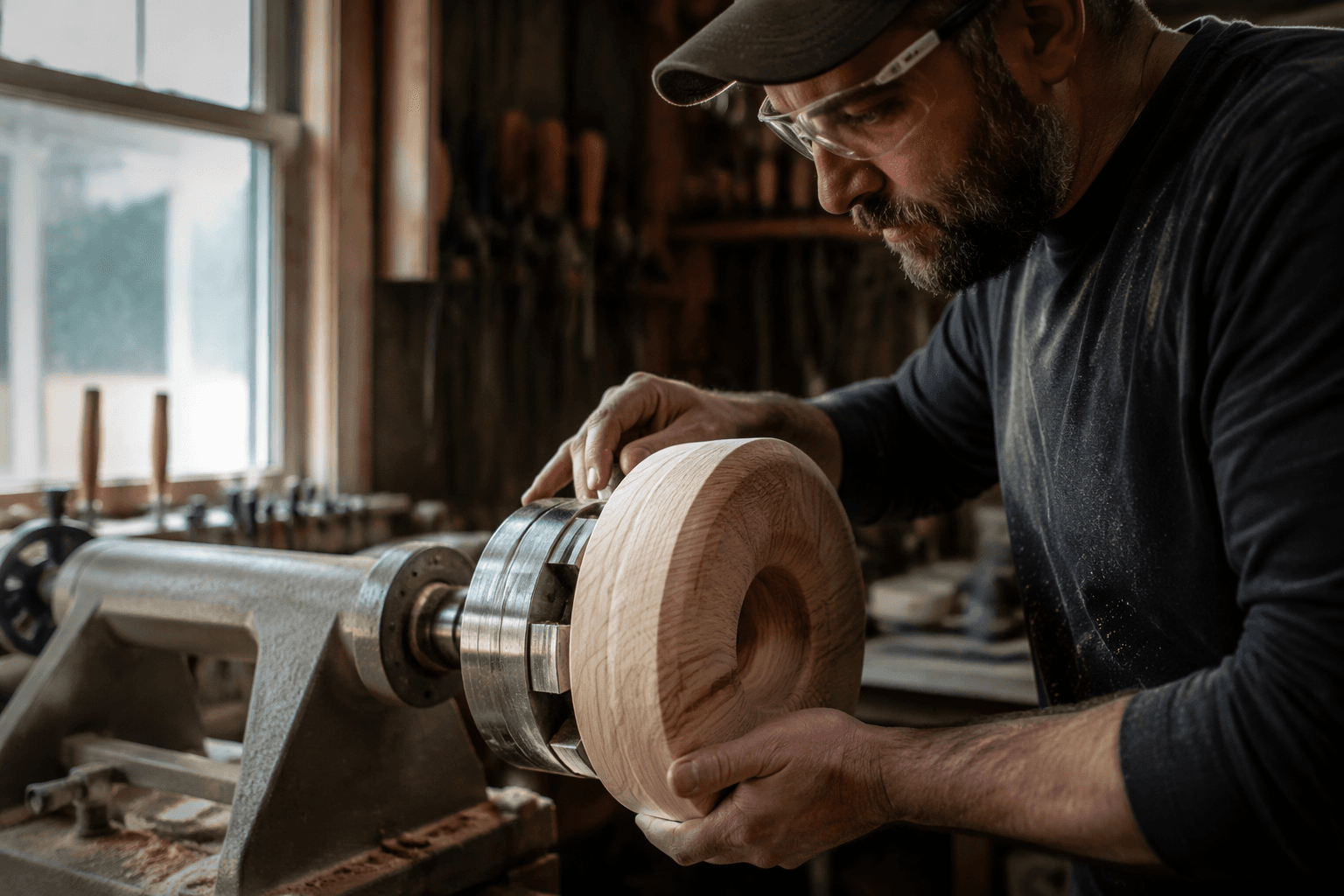
Hand-chasing threads brings ancient precision to lidded woodturning projects
Hand-chasing threads turns a lidded box into a precise heirloom when the wood, rest setup, and cut order all line up.

A lidded box stops looking ordinary when the thread disappears into the fit. Hand-chasing is the old-school way to get there, and it still matters because it puts the turner in direct control of the thread form, the grain match, and the final feel of the lid. The technique is unforgiving, but that is exactly why experienced turners keep it in the shop, alongside the easier options.
Why hand-chasing still earns its place
The American Association of Woodturners treats hand-chasing as an age-old method for lidded projects, and that framing gets at the heart of the appeal. A thread-cutting jig is the easy, accurate, and predictable route for making threaded boxes, hollow vessels, inserts, and fixtures, but hand-chasing is the traditional way to make threads in wood. That distinction matters when the project is supposed to read as one continuous object rather than a lid dropped onto a container.
A threaded insert can even give a pill box a near-perfect grain match, because the visual seam stays tight and the parts feel like they belong to the same blank. That is the payoff turners chase by hand: not speed, but control over a joint that can turn an ordinary lidded piece into a signature object.
The tool kit is narrow for a reason
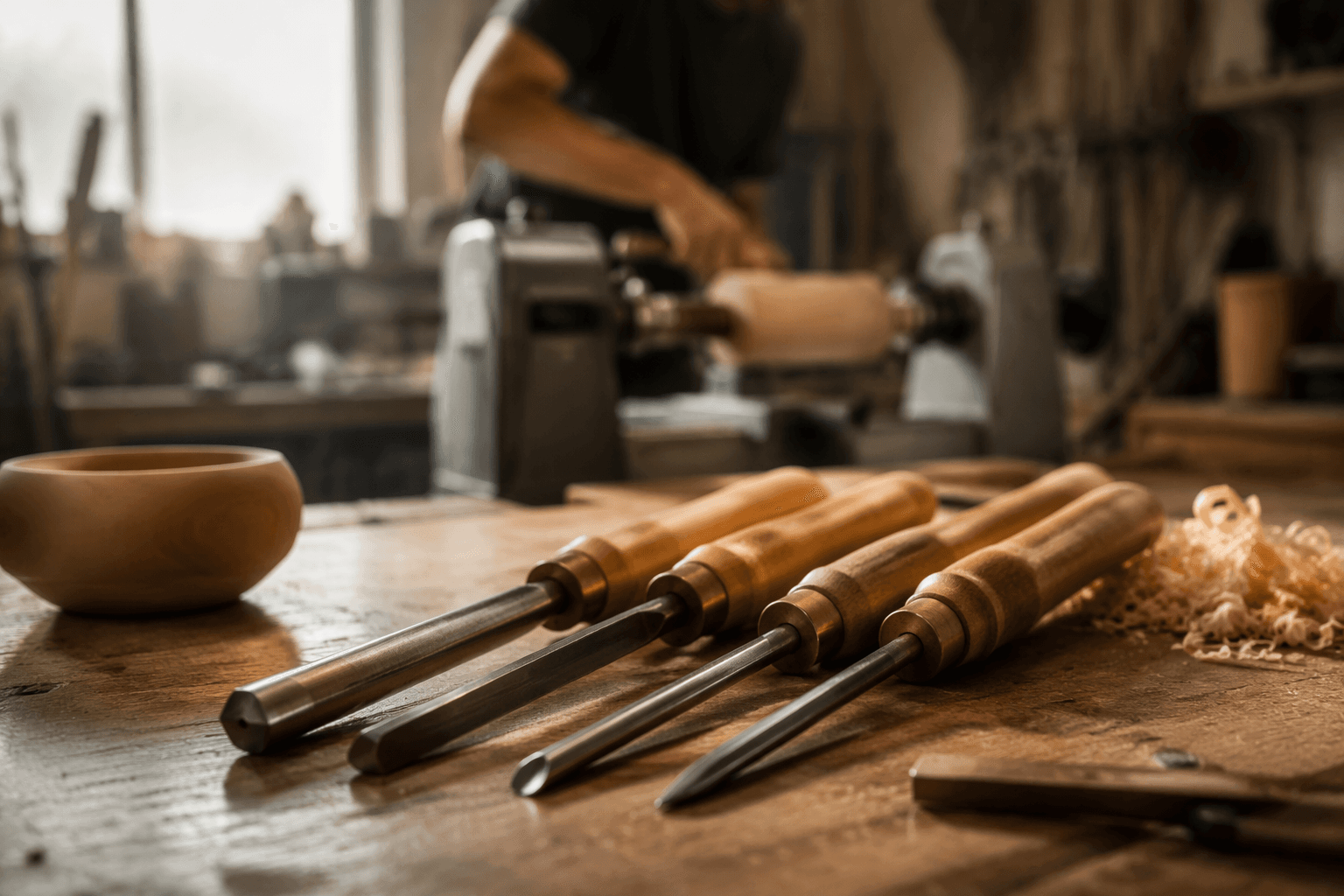
Sam Angelo’s handout is useful because it does not hide the hardware behind broad advice. The core set includes thread chasers in 10, 12, 16, 18, and 20 TPI, plus an armrest tool, a point tool, a recess tool, and a 90-degree inside tool. That range covers the practical thread pitches a turner is likely to reach for, and it also shows that hand-chasing depends on the right geometry as much as on hand skill.
The setup details matter just as much as the cutters. Lathe speed, tool-rest height, tool-rest position, and properly sharpened tools all affect whether the chaser cuts cleanly or chatters across the blank. In this discipline, the rest is not a suggestion. It is the reference that lets the tool stay steady enough to form a crisp thread crest and root.
Wood choice decides how much forgiveness you get
Hand-chasing works best in very hard, close-grained wood, and the material list is tellingly selective. Blackwood, ebony, cocobolo, lignum vitae, rosewood, and mopane all show up as the kind of stock that can take a clean thread. AAW demo descriptions also point to African blackwood and boxwood as typical chasing woods, which reinforces how strongly the technique depends on density and fine grain.
That is not just tradition for tradition’s sake. Soft or open-grained stock tends to collapse under the cutting action, while dense hardwood holds the thread profile long enough for the mating part to meet it cleanly. If the blank is not up to the task, the tool geometry and the hand position never get a fair chance to work.
The sequence is part of the precision
The workflow is deliberate. First, turn the blank to a cylinder. Then cut the female threads in the lid before cutting the male thread in the base. Only after the two parts mate do you finish the profile.
That order protects the fit. The lid establishes the thread relationship first, and the base is brought to it rather than guessed at separately. Once the threads engage properly, the rest of the shaping can be tightened around the finished joint, which is why hand-chased lids often feel more integrated than parts that were built around a more automated thread-making method.
The tradition runs deep because the literature does
Fred Holder’s writing gives the technique its historical spine. He describes thread chasing as an ancient turning practice and traces his own understanding back through older references such as Holtzapffel. That connection matters because Holtzapffel’s Turning and Mechanical Manipulation remains one of the landmark texts of the lathe arts, with Volume I published in 1843 and Volume III in 1850.
Those books were meant as practical instruction for amateurs and general reference, not museum pieces, which is one reason they still fit the modern thread-chasing conversation. Holder also notes how much experimentation can come before the first successful thread, and that is still true in the shop: the method rewards patience, repeatable setup, and a willingness to recut rather than force a bad fit.
The skill is old, but the teaching is current
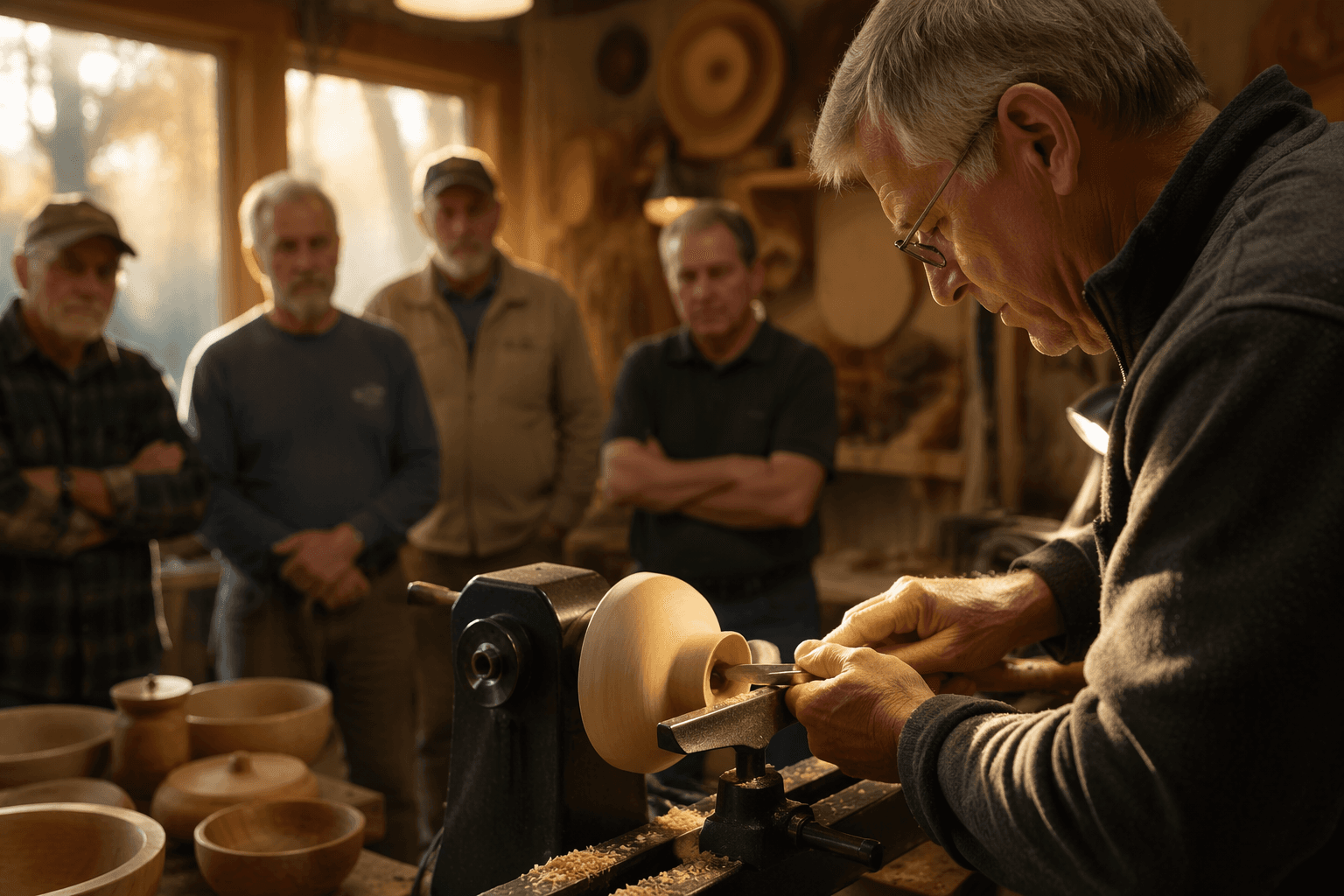
Hand-chasing survives because it keeps getting demonstrated, documented, and compared against newer methods. AAW event pages continue to frame it as the traditional way to make threads in wood, and they place it alongside threaded boxes and vessels in current teaching. Cindy Drozda’s sessions on threaded boxes and vessels, including hand-chasing demos, and Mauricio Kolenc’s hand-chased-thread box work for Turners Without Borders keep the technique active in the contemporary turning community.
The association’s article library dates back to 1986, which helps explain why older methods remain visible instead of fading into specialist lore. The old literature, the live demos, and the practical handouts all point the same direction: if the wood is dense, the tools are sharp, the rest is set correctly, and the cut order is respected, hand-chasing still delivers a lid that feels earned the moment it seats.
This article was produced by Prism’s automated news system from verified source data, official records, and press releases, then run through automated quality and moderation checks before publishing. The system is built and supervised by the people who set the standards it runs under. Read our full AI policy.
Did this article answer your question?