How woodturning evolved from utility to modern sculpture
Woodturning’s modern look began when turners used the lathe for control, thin walls, and personal form. Prestini, Stocksdale, Moulthrop, Lindquist, and Osolnik trace that shift.
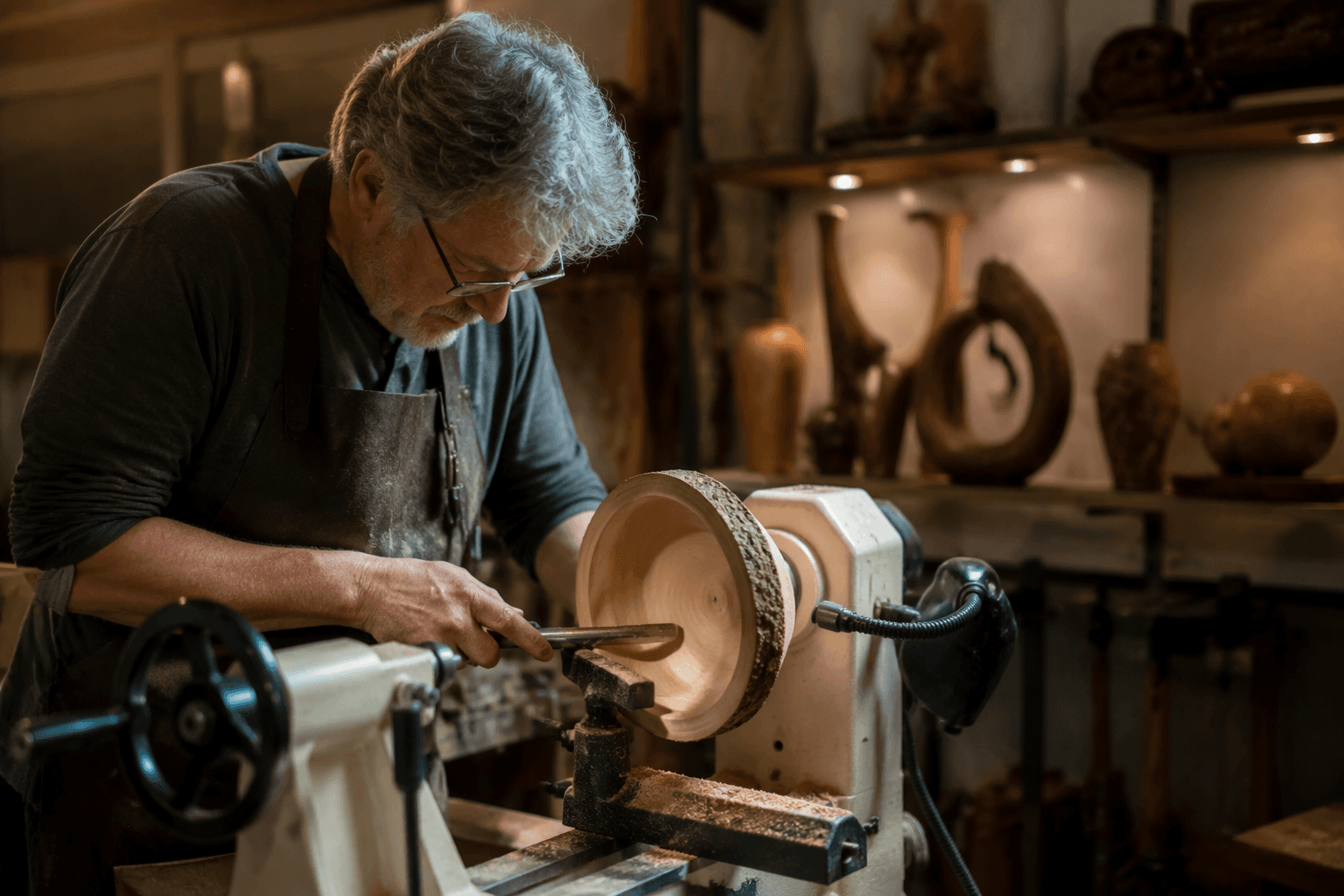
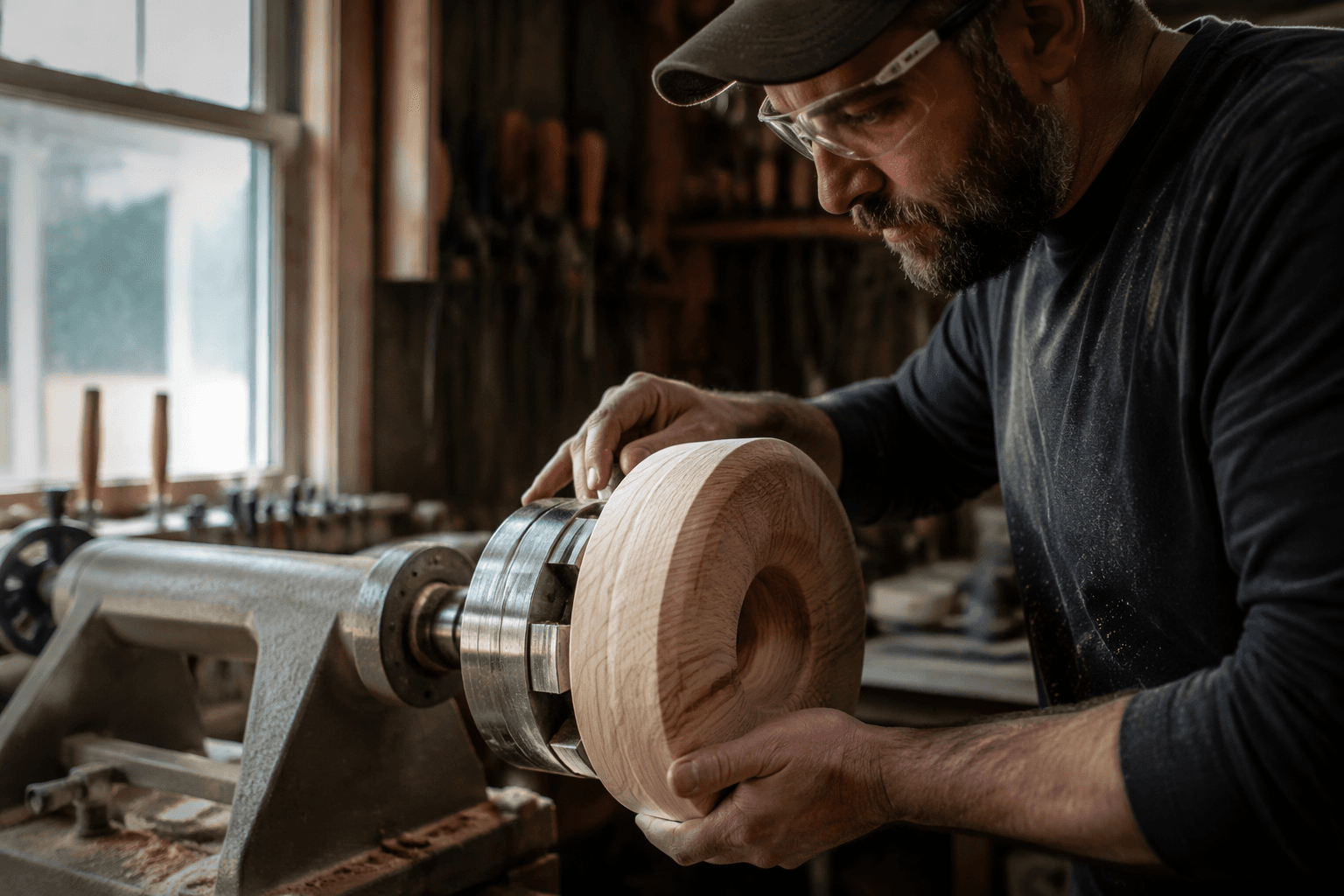
Woodturning’s move from shop utility to modern sculpture began when makers started treating the lathe as a place to think about form, not just a way to produce parts. The American Association of Woodturners places that pivot in the 1940s, with 1948 singled out as an important early date for thin, light turned bowls. That change still shows up in the work on galleries walls and demo lathes today: cleaner profiles, thinner rims, and a stronger sense that a vessel can be both made and composed.
From mechanical control to artistic intent
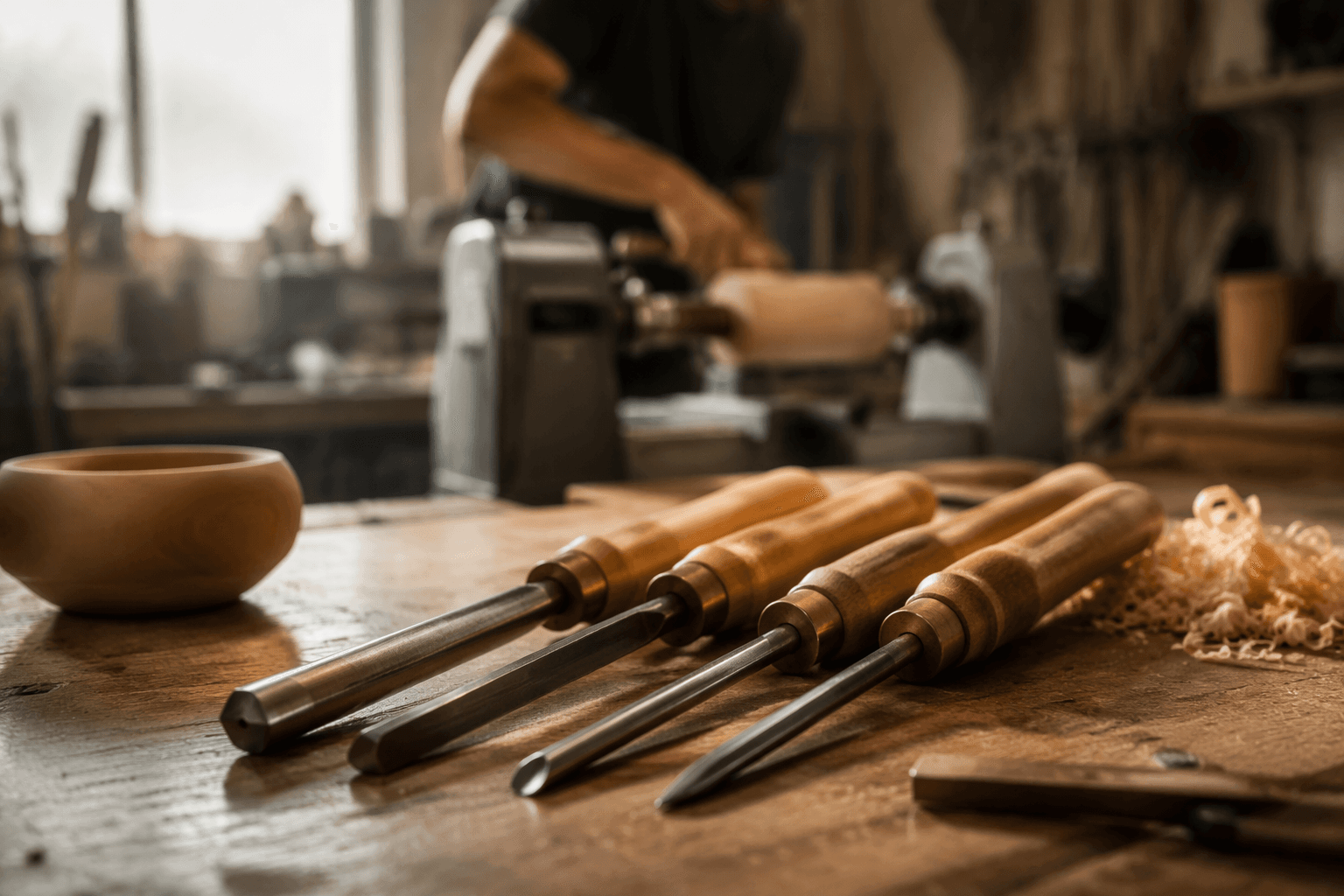
James Prestini sits at the start of that story because he did not approach woodturning as a decorative sideline. He worked on a metal lathe, and the gear-driven tool post gave him the mechanical control to create the precise forms that made his bowls feel deliberate rather than merely functional. That detail matters because it shows how the artistic vocabulary of turning grew out of engineering discipline, not away from it.
By the time thin and light bowls were being recognized in 1948, the lathe had become more than a production machine. The maker still had to respect symmetry, but the real decisions shifted to thickness, proportion, and the finish of the surface. That is the point where a turned object starts to read as sculpture even when it still carries the memory of a bowl, a vessel, or another usable form.
The five names that defined the modern lineage
AAW’s “5 Giants in Turning” gives the field a compact lineage that is easy to remember and worth knowing: James Prestini, Bob Stocksdale, Ed Moulthrop, Melvin Lindquist, and Rudy Osolnik. These are the names that turn up again and again because they helped establish the modern identity of artistic woodturning, not just as individual makers but as a recognizable field.
What connects them is less a single style than a shared expansion of what a turned object could be. Their work helped move turned wood into galleries and museums, where the conversation was no longer only about whether a piece held fruit or served at table, but about line, balance, and the maker’s point of view. For a turner looking at current work, that lineage still shows in the best forms: a shallow bowl with a disciplined rim, a vessel that feels pared back, or an abstract shape that keeps the lathe marks of its making without surrendering to utility.
A broader studio-craft inheritance
The American studio woodturning movement did not emerge in isolation. AAW material traces its roots through Arts and Crafts, Mingei, Bauhaus, and Scandinavian design, which helps explain why so much serious turning values restraint, material honesty, and clarity of form. Those influences are visible whenever a piece seems to trust the wood grain and the silhouette more than ornament.
AAW’s own description of the craft captures that individualism well: “Woodturning is an endlessly fulfilling and rewarding craft because it is truly a personal expression of form and style; not only is every piece of wood unique, but every woodturner seems to invent his or her own distinctive approach to working with it.” That idea is central to the shift from utility to sculpture. Once the maker begins inventing a distinctive approach, the lathe stops being only a repeatable machine and becomes a platform for style.
How the lineage passes from one generation to the next
That transmission is easy to hear in Mark Lindquist’s Smithsonian oral history. He said his first proper woodturnings were made at home making baseball bats, a reminder that even the most experimental work often starts with the most practical objects. In the same oral history, he pointed back to Prestini, Rudy Osolnik, Bob Stocksdale, and Ed Moulthrop as part of the lineage he understood around him.
That kind of reference map is useful because it shows how turning knowledge actually moves: from a shop skill, to a named group of pioneers, to a later generation that grows up with both utility and experimentation in view. When you see a contemporary turner stretch a bowl into a thinner, lighter profile, or push a vessel toward a more sculptural read, you are seeing that inheritance at work. The gesture may look modern, but the conversation behind it is older and very specific.
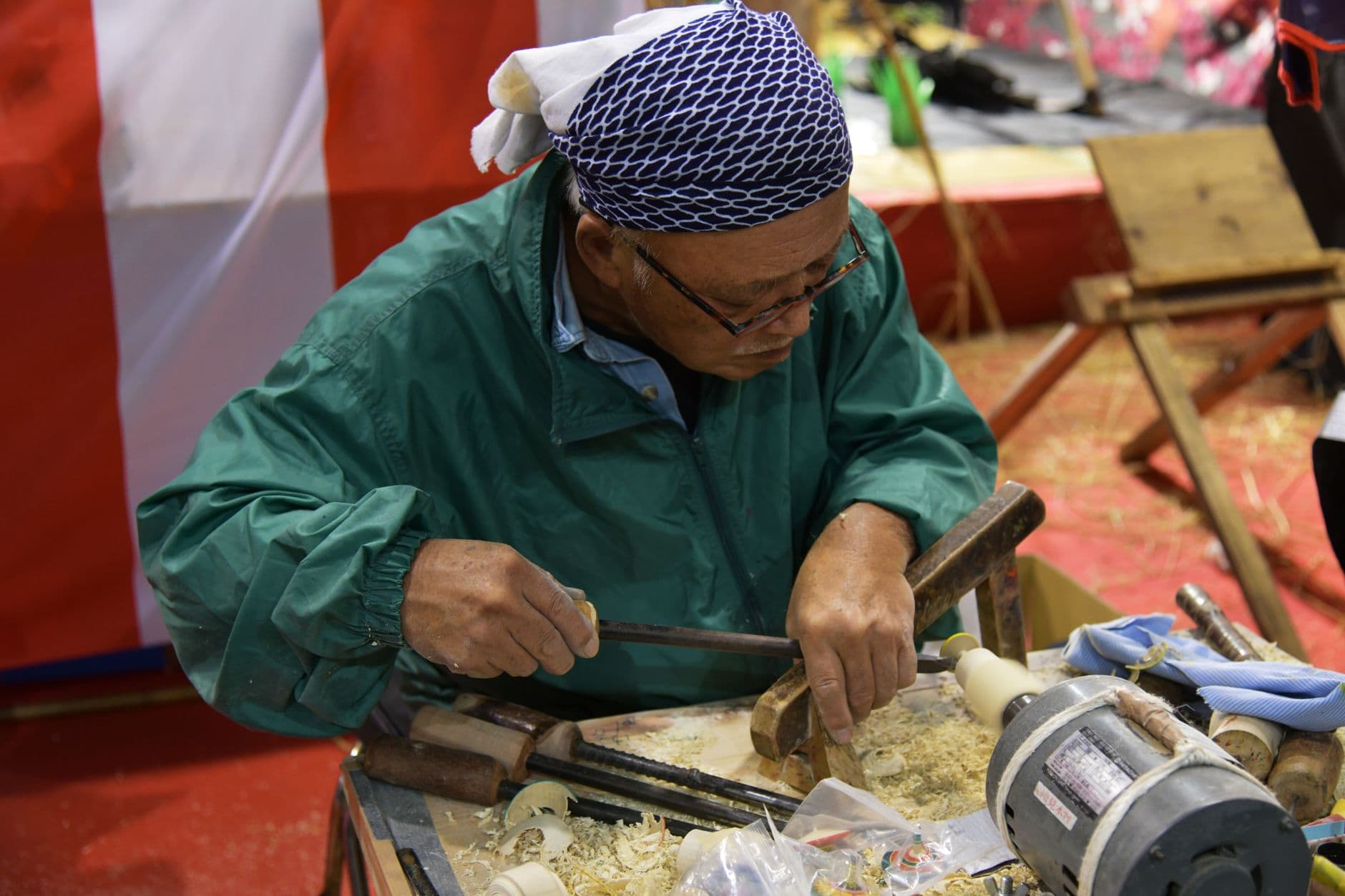
Exhibition culture gave turned wood a public stage
The move from craft bench to art venue also needed institutions, and the Center for Art in Wood helped provide that stage. Its chronology places the International Turned Objects Show, or ITOS, from September 17 to November 13, 1988, which gives a concrete marker for when turned wood was being framed for exhibition as contemporary art. Once that kind of public platform existed, makers had a place to test how far the form could go beyond functional expectations.
AAW’s journal, which has documented the association’s evolution since 1986, adds another layer to that public record. It gives the field continuity, so the shift from utility to sculpture is not just remembered through a handful of landmark objects, but through an ongoing conversation among makers, demonstrators, and editors. That matters in a craft where a form can be measured by a caliper, but its meaning often depends on whether other turners recognize the move.
The thread from Prestini’s metal lathe to ITOS, from baseball bats to museum pieces, is what makes the modern lineage of woodturning so legible. The objects still begin in a spinning blank, but the outcome is no longer defined by use alone, and that is why a thin bowl or a spare vessel can still feel like a turning point.
This article was produced by Prism’s automated news system from verified source data, official records, and press releases, then run through automated quality and moderation checks before publishing. The system is built and supervised by the people who set the standards it runs under. Read our full AI policy.
Did this article answer your question?