Laburnum Turning Test, Gold Grain or Costly Mistake
Laburnum can turn into a stunning gold-and-dark bowl, but its crotch grain, cracking risk, and cytisine toxicity make every blank a calculated gamble.
The beauty is real, but so is the bill
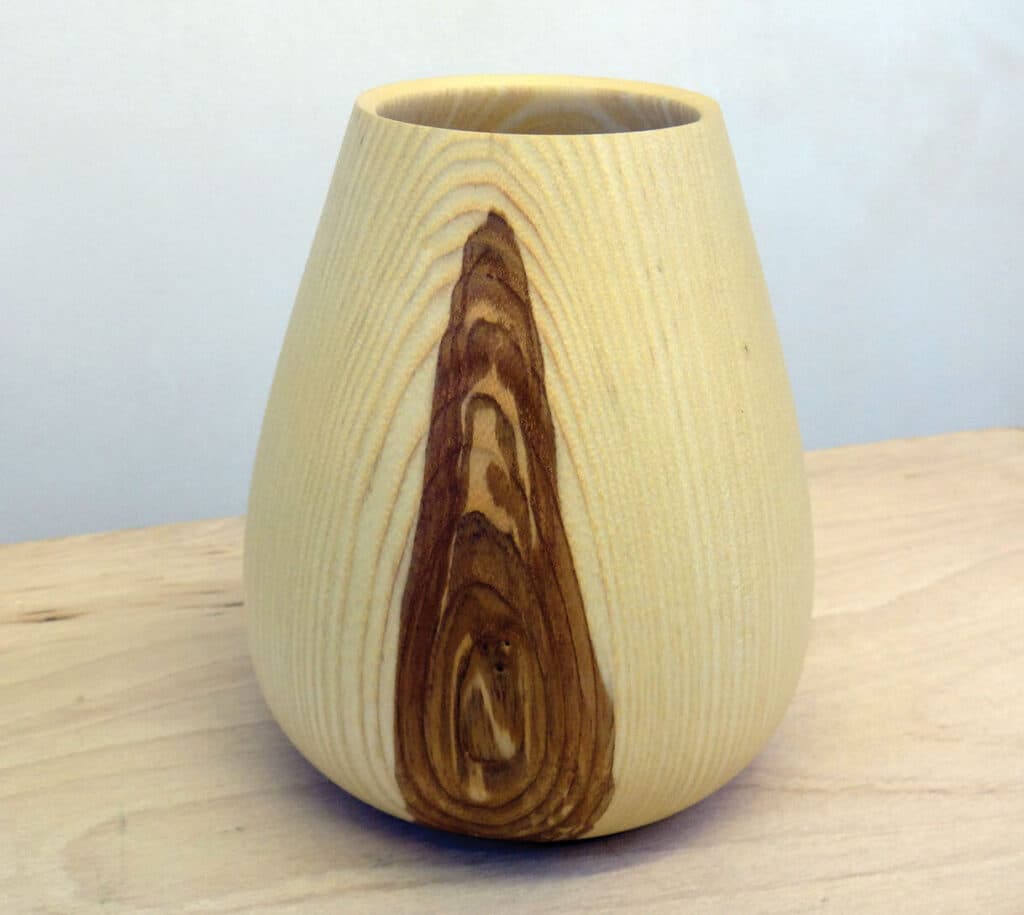
Laburnum is the kind of wood that makes you stop mid-walk through the rack and stare. Its dark, dramatic figure can look like it was painted rather than grown, and that is exactly why turners keep coming back to it even after a bad blank has split or blown out on the lathe. The attraction is simple: when laburnum behaves, it can become a showpiece with eye patterns and contrast that ordinary stock never delivers. The catch is just as simple: the same blank that promises gold can punish impatience, weak planning, or sloppy handling.
What makes laburnum so compelling is that it sits right on the line between reward and waste. A striking log section can look loaded with potential one moment, then reveal checks, movement, or unstable grain the next. That tension is the whole story of this wood: you are not just turning a bowl or vase, you are deciding whether the figure is strong enough to justify the risk of working it at all.
Why laburnum earns its reputation
Laburnum is generally regarded as an excellent turning wood, and that matters because not every dramatic timber behaves well at the toolrest. Despite its high density and hardness, it is also described as generally easy to work, which is a rare and welcome combination in a wood this visually aggressive. It is also favored for carving, which tells you something useful about the surface it can take when everything goes right.
That said, laburnum is not only a pretty face. It contains cytisine, and that chemical fact changes the way you should think about every part of the process, from roughing to cleanup. The danger is not abstract. A piece that looks like a prize can still carry a handling and dust burden that makes it a very different proposition from a more forgiving turning species.
Reading the blank before you commit
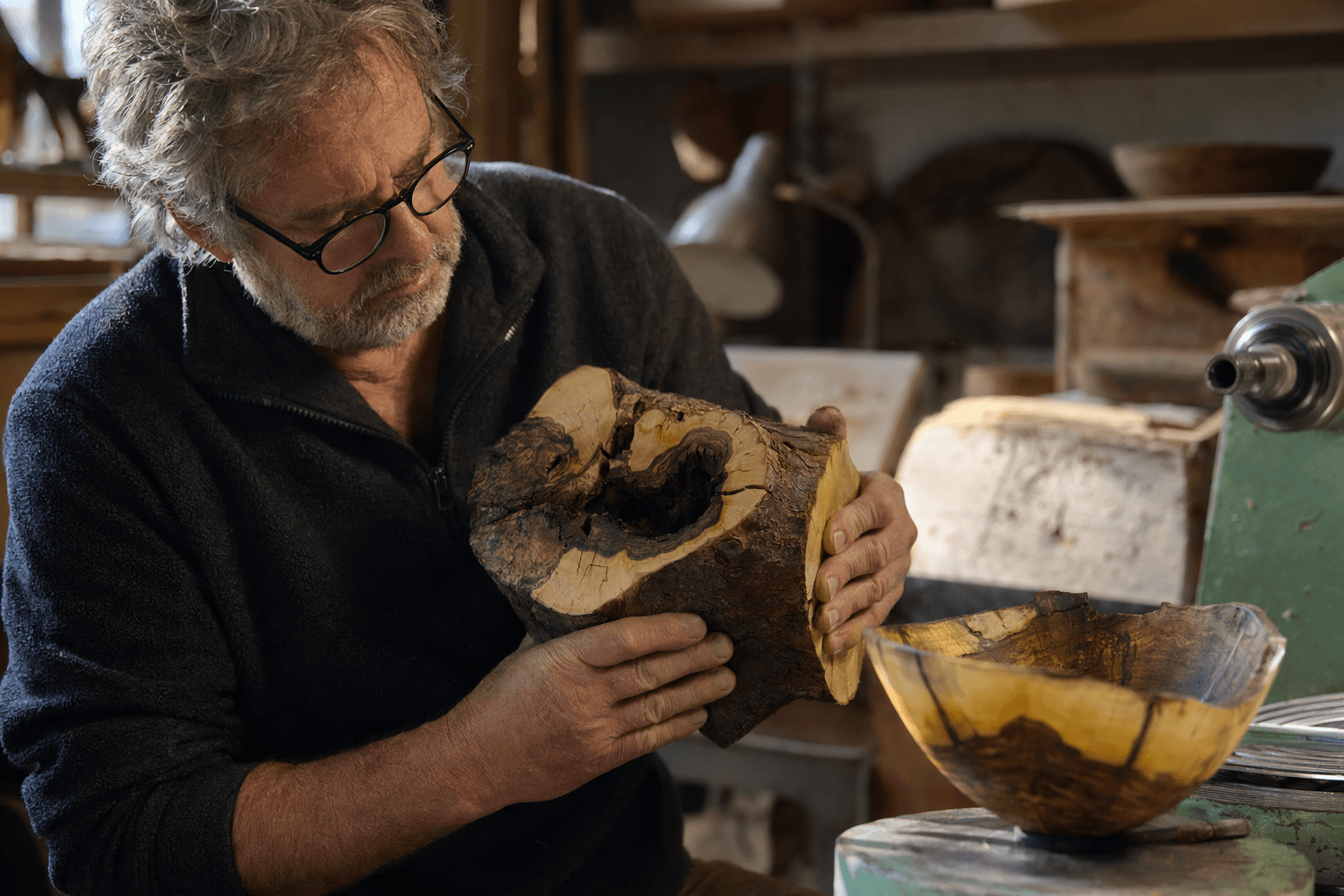
The most prized laburnum stock often comes from crotch or burl-like sections, and that is where the real drama lives. Laburnum trees are usually relatively small ornamentals, with mature height and spread around 4 to 8 metres, so oversized figured blanks are not common. When a large, figured section turns up, it is valuable precisely because it is limited.
Crotch grain is where the beauty and the trouble are most tightly packed together. Irregular grain, knots, burls, and crotch wood can all create machining and stability problems, and that is exactly why these sections can be so unpredictable on the lathe. The most intense figure often sits close to the pith, which means the visual payoff is concentrated in the same area most likely to move, crack, or fight back if the blank is not handled carefully.
In practice, that means the blank itself should tell you what kind of project it wants to be. A simple, confident form can let the grain do the talking. A design that asks too much of a stressed crotch section can chew up time, tools, and material before the shape ever reaches finishing grit.
What the turning process asks of you
Laburnum is not a beginner’s comfort wood when the figure is loaded and the blank is already telling you it has opinions. The turning challenge is not just removing wood, it is preserving the best grain while avoiding the damage that can come from aggressive cuts, poor orientation, or pushing too far into weak areas. That is why crotch pieces are so often associated with experienced turners and natural-edge or highly figured forms.

A good laburnum turn usually depends on restraint. You are working to reveal the figure, not overpower it. If the bark side becomes the top of a bowl, that can create a natural-edge effect that uses the blank’s irregularity as part of the design. When the piece is successful, the final form feels inevitable, as if the wood had already suggested the shape all along.
The danger is that the same irregularity that creates a natural edge or heart-shaped figure can also create a catch-prone, unstable cut. The line between a clean reveal and a ruined blank is thin. That is why laburnum feels less like mass production and more like a one-off negotiation between tool, grain, and patience.
Safety is not optional with this wood
The beauty of laburnum does not cancel out its toxicity. The Royal Horticultural Society identifies laburnum as potentially harmful and warns that its seeds are poisonous if eaten. It also advises using gloves and protective equipment when handling potentially harmful plants, and keeping skin covered during pruning or weeding. Those cautions matter just as much in the turning shop as they do in the garden.
The toxicology side adds another layer of seriousness. Published literature identifies cytisine as the toxic constituent of Laburnum anagyroides, and a later paper notes that cytisine and N-methylcytisine occur in Laburnum species, with cytisine making up more than 5% of the seeds in some plants. That is more than enough reason to treat dust control, cleanup, and general hygiene as part of the job, not an afterthought.
For a turner, that means more than just being careful with the finished piece. It means handling offcuts, shavings, and dust with the same respect you would give any material that can cause harm. Gloves, covered skin, and sensible workshop habits are not extras here. They are part of the deal.
When the payoff justifies the risk
Laburnum earns its place when the figure is exceptional and the project is designed to let that figure dominate. It is worth chasing for a special bowl, a natural-edge form, or any piece where the grain movement near the pith is the whole point of the object. If the blank is sound enough to survive the process, the result can be genuinely memorable.
It is less appealing when the goal is simple, repeatable production. If you want predictable turning, easy replacement stock, or a low-drama session at the lathe, laburnum is not the obvious answer. The same wood that gives you those eye patterns and that rich, dark contrast can also force you to scrap a blank that looked promising in the rough.
The practical threshold is easy to recognize: once the beauty depends on fighting instability, the wood stops paying its own way. That is where laburnum shifts from treasure to gamble. For experienced turners willing to work slowly, read the grain, and treat safety as part of the design, it can still be one of the most rewarding woods on the bench. For everyone else, a more forgiving species will make the same shape with a lot less drama, and a lot fewer regrets.
This article was produced by Prism’s automated news system from verified source data, official records, and press releases, then run through automated quality and moderation checks before publishing. The system is built and supervised by the people who set the standards it runs under. Read our full AI policy.
Did this article answer your question?