Retired Oklahoman finds purpose, friendship in woodturning craft
After 15 years of dabbling, Jason Kang found more than a hobby on the lathe: a routine, a spouse-friendly craft, and a circle of turners who made it a way of life.
Jason Kang’s turning point
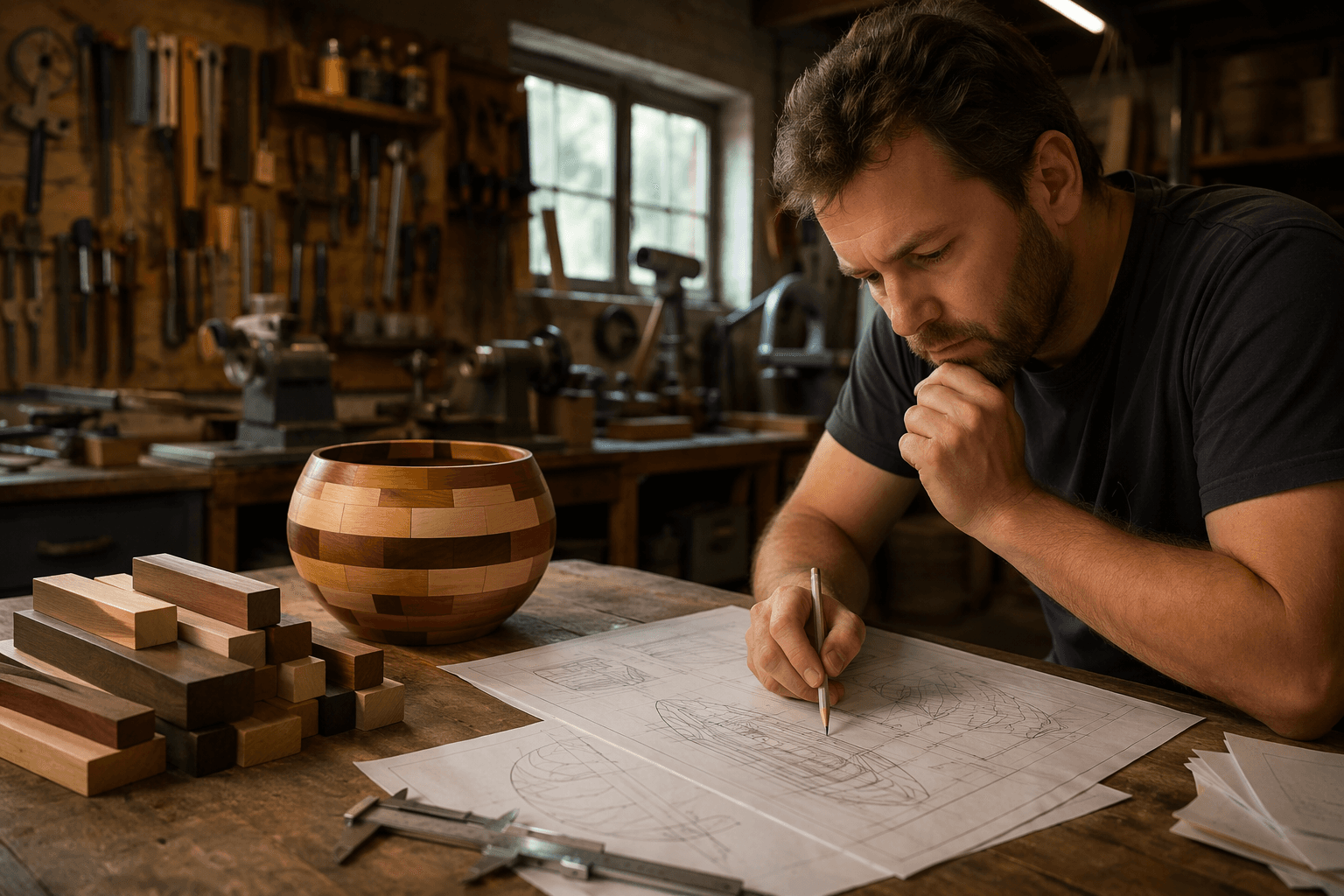
Jason Kang’s story lands where a lot of woodturners eventually do: not at the first project, but at the point where the shop starts shaping the rest of life. After years of dabbling, the retired Oklahoman says woodturning became something he could share with his wife and something that gave him a circle of friends who understood the appeal of the lathe. That mix of shared time and shared language is what turns a pastime into a habit, and then into identity.
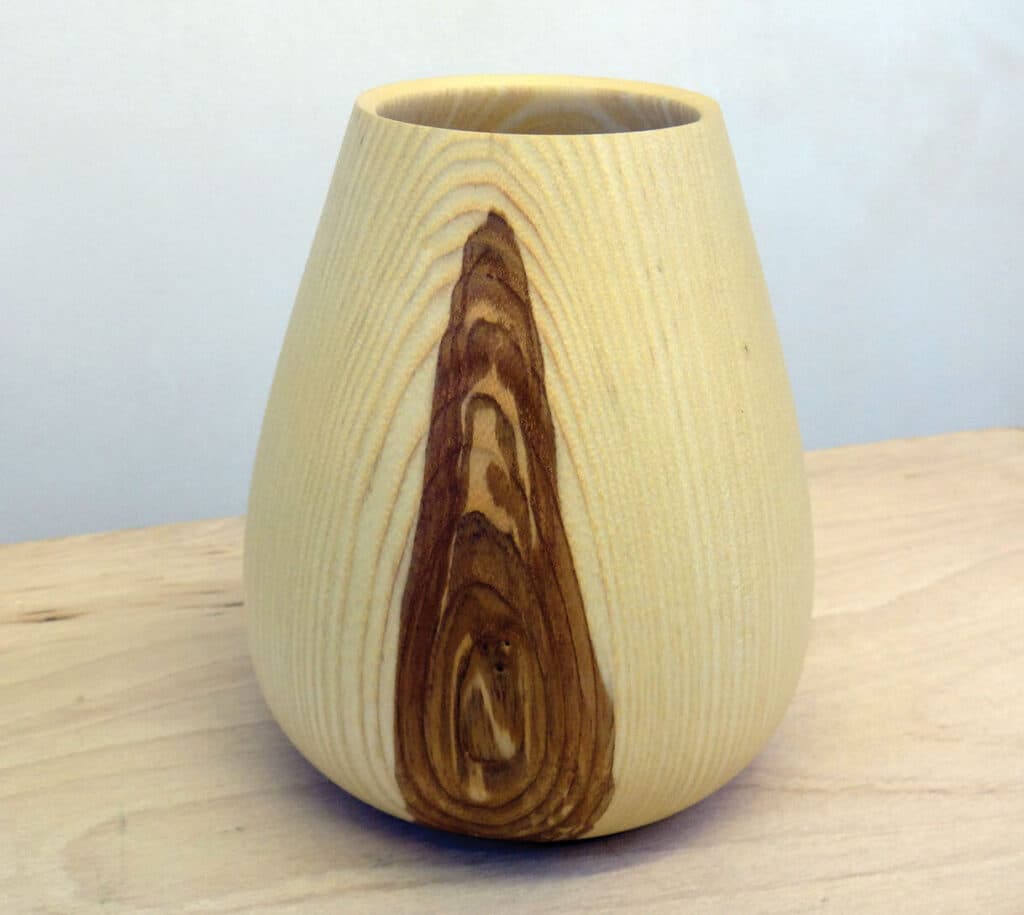
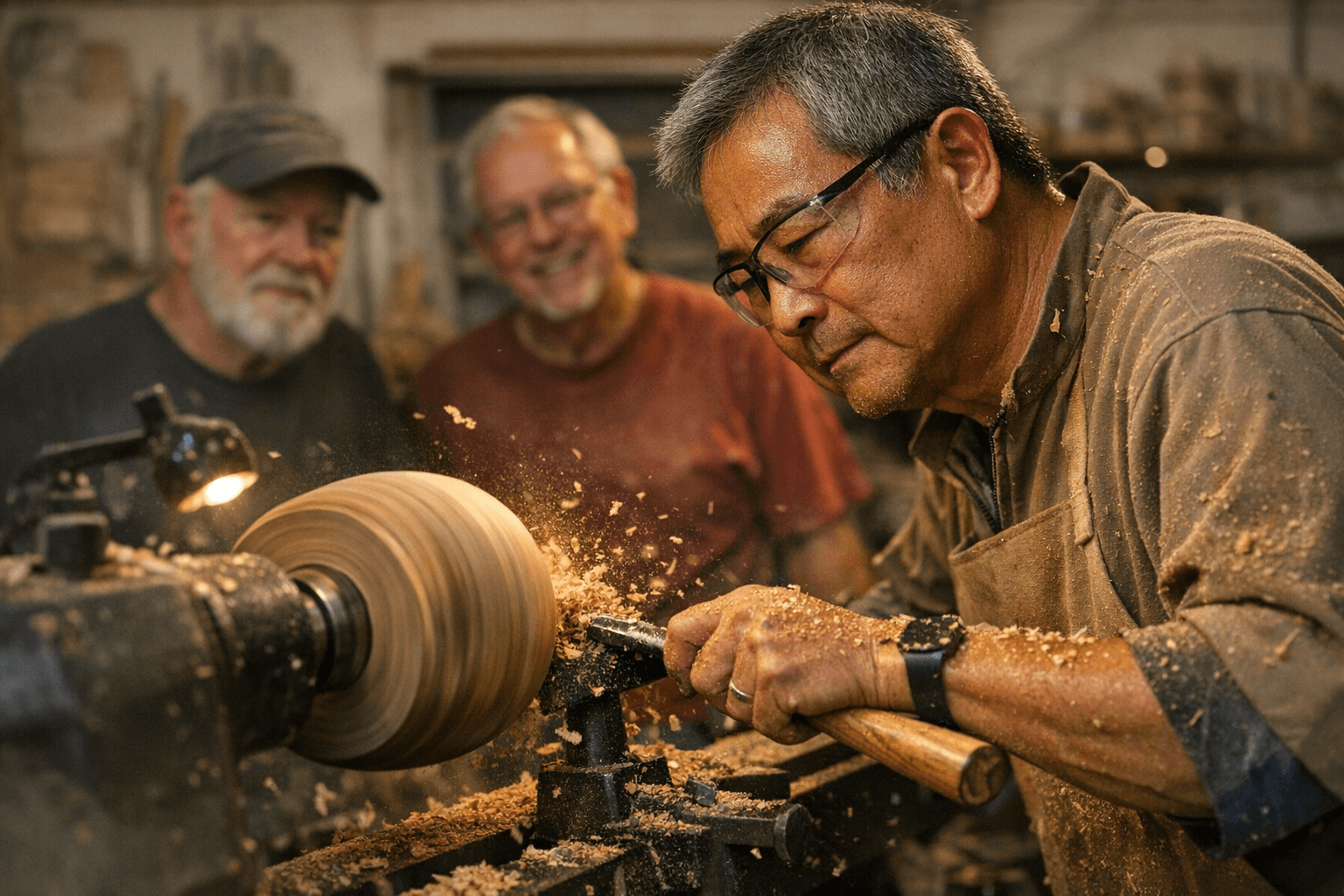
In the Central Oklahoma Woodturners Association studio, Kang now spends his time turning blocks of wood into toys, pens, vases, and wands, the kind of useful and gift-ready pieces that keep woodturning grounded in daily life. The work is not just about the finished object. It is about the rhythm of the lathe, the sound in the room, and the shower of chips collecting on the floor, all of which make the craft feel technical and meditative at once.
What woodturning looks like in practice
For anyone coming new to the craft, the basic setup is simple to describe and endlessly deep to master. A lathe spins a block of wood at high speed while hand-held tools shape it into rounded forms such as bowls, chair legs, pens, and vases. That basic motion explains why woodturning can produce everything from a practical pen to a decorative vessel, and why it rewards both patience and repeat visits to the shop.
Kang’s pieces reflect that range. Toys and wands speak to the gift-making side of the hobby, while pens and vases show how turners build skill through objects that require tighter control and cleaner finishing. The variety matters because it gives a turner milestones to measure, from the first decent spindle to the point where a piece feels polished enough to give away.
A club built for turning, teaching, and showing up
The Central Oklahoma Woodturners Association has been building that kind of pathway for decades. Founded in 1987, the group became a chapter of the American Association of Woodturners in 1988, tying a local Oklahoma City scene to a much larger network of turners. Its mission is direct: provide club meetings, instruction through demonstrations and classes, and promote woodturning as an art and craft.
COWA says it holds monthly meetings at 6:30 p.m. on the second Tuesday of each month at Metro Technology Center in Oklahoma City. It also teaches 10 Saturday classes each year, with fall sessions aimed at novices and spring sessions aimed at more advanced turners. That structure gives the club a built-in progression, from first exposure to more demanding work, without making the craft feel closed off to newcomers.
The new studio changed the pace
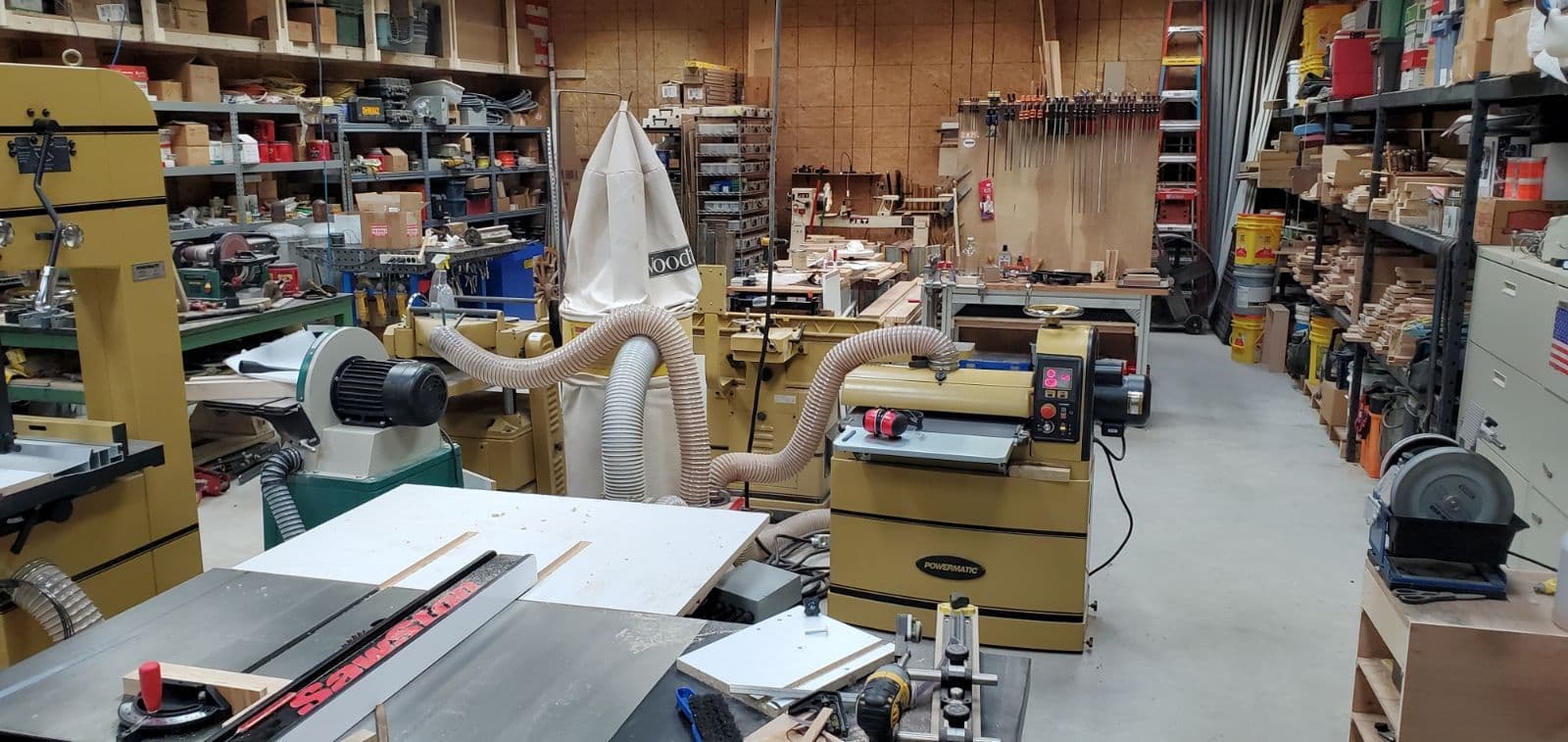
The club’s new downtown Oklahoma City studio at 901 W. California has become a practical center for that teaching. Beginning in 2025, COWA classes have been held there, and the space was transformed with grant support into a place for both instruction and social time. Doug Lawrence calls the new studio a game-changer, and the reason is easy to see: it gives the association more than a workbench. It gives it a home for classes, conversation, and the kind of informal troubleshooting that keeps people turning.
COWA says its classes are open to community members age 18 or older, and prior turning experience is not required unless a class description says otherwise. That matters because the biggest barrier for many people is not interest but access. A room with lathes, tools, and instructors shortens the distance between curiosity and competence.
How the club keeps the craft visible
Woodturning does not survive on shop time alone, and COWA seems to understand that better than most. Members teach classes at Moore Norman Technology Center, where local coverage in February 2024 showed students receiving a woodturning demonstration. That kind of exposure matters because it introduces the craft in an educational setting, not just in a private shop or a specialty club.
The association also appears at festivals and community events to spark interest and reach younger people who can carry the craft forward. That outreach extends beyond the studio walls, with plans to demonstrate at the State Fair of Oklahoma in September and possibly at a Metropolitan Library System Craft Fest later in the year. Those appearances are the public side of the club’s work, and they turn woodturning from a niche skill into something neighbors can see, ask about, and imagine trying.
Why the American Association of Woodturners still matters
The local club sits inside a much larger structure. The American Association of Woodturners describes itself as a nonprofit dedicated to advancing woodturning through education, with more than 16,000 members and more than 365 local chapters worldwide. That scale matters because it gives a retiree in Oklahoma City the same kind of access to ideas, demonstrations, and mentoring that a turner might find anywhere else in the network.
AAW’s 2026 International Woodturning Symposium is scheduled for June 4-7 in Raleigh, North Carolina, and it serves as a reminder that this craft still has a national calendar and a living culture around it. For local clubs like COWA, that bigger ecosystem helps validate what happens in a downtown studio on a Saturday morning: a beginner learning tool control, a seasoned turner sharing a trick, and someone like Kang discovering that the shop has become part of the way he lives.
The larger lesson for turners
Kang’s arc is familiar in the best possible way. Fifteen years of dabbling led to a craft he could share with his wife, a group of friends who speak the same turning language, and a set of shop routines that now anchor retirement. That is the real measure of woodturning when it moves from pastime to way of life: not just better bowls or cleaner pens, but a stronger calendar, a wider circle, and a reason to keep coming back to the lathe.
In Oklahoma City, COWA is trying to make that path visible to the next turner in the room. With open classes, monthly meetings, public demonstrations, and a new studio built for teaching as much as turning, the club is putting the future of the craft where the chips already are.
This article was produced by Prism’s automated news system from verified source data, official records, and press releases, then run through automated quality and moderation checks before publishing. The system is built and supervised by the people who set the standards it runs under. Read our full AI policy.
Did this article answer your question?