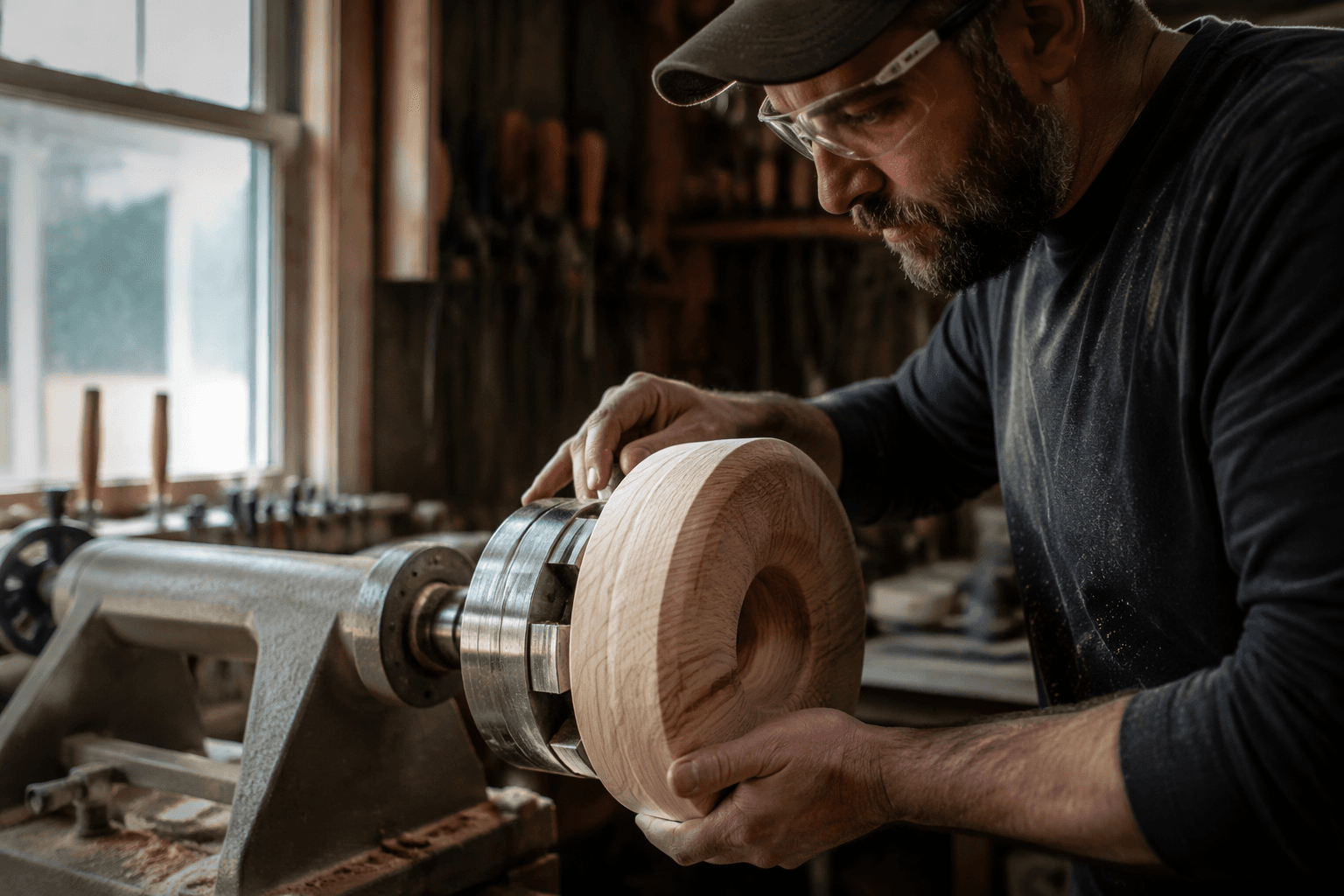
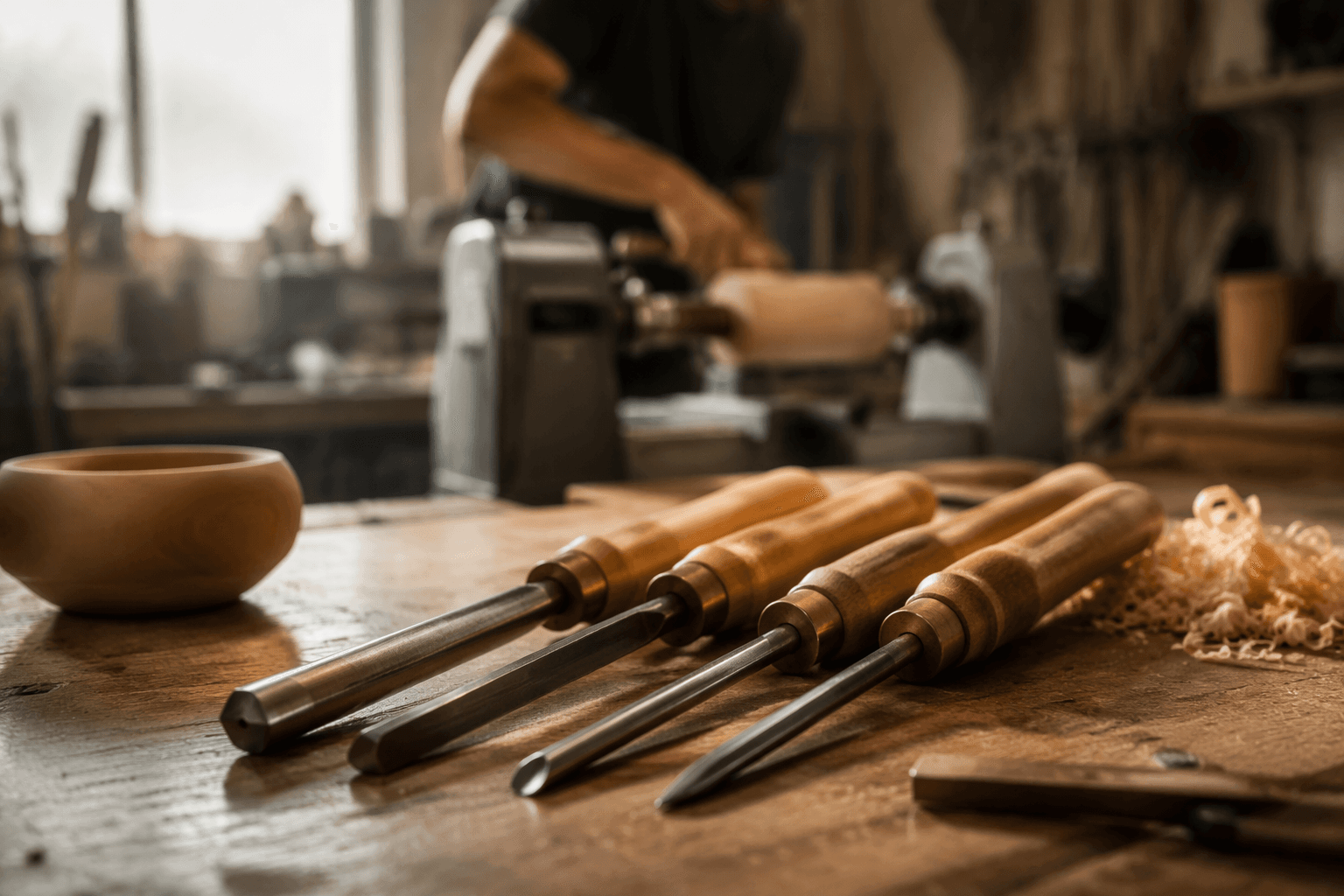
The sensational skew chisel, simplified for better woodturning results
The skew feels unforgiving because it exposes bevel control and tool presentation fast, and that is exactly why experienced turners keep teaching it.
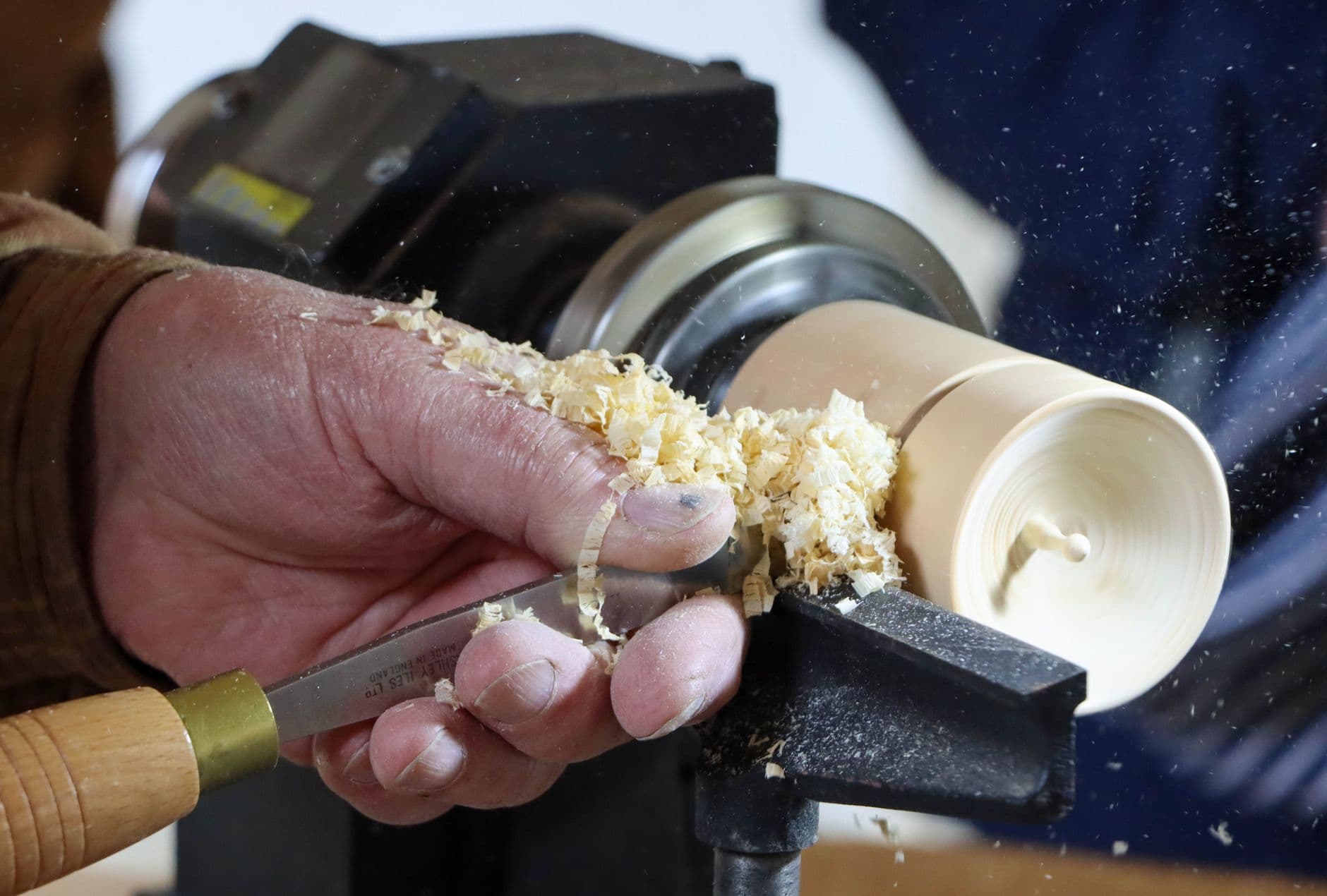
Jim Echter wrote in the April 2019 issue of American Woodturner that "everything you need to know to use a skew chisel you learned in kindergarten." For experienced turners, the reason is simple: the skew teaches bevel control, slicing cuts, and tool presentation faster than almost any other cutter in the rack. The skew rewards basic discipline before it rewards bravado.
What the skew unlocks
A skew is a straight-edged chisel ground on the diagonal, which creates a long point and a short point. That geometry is the whole story, because it is what makes the tool versatile and unforgiving at the same time. Used well, it produces an exceptionally smooth finish on straight-grain spindle work and gives you a clearer feel for how the bevel meets the wood than almost any other cutter.
Experienced turners keep it in their teaching rotation even when carbide systems are popular. Echter describes the skew as a finesse tool that does not remove wood nearly as quickly as a bowl gouge cutting through green wood. If you can control the skew, you are also learning how to make cleaner planing cuts, present a tool more accurately, and stop leaning on brute force.
That practical payoff shows up in the jobs turners reach for it to do. The skew excels at finishing passes, forming beads, cutting crisp V-grooves, and refining handles, chair spindles, small posts, boxes, and other pieces where clean lines matter more than aggressive stock removal. Kurt Hertzog’s Woodworkers Institute instruction focuses on three recurring skew topics: safety, types of skew chisels, and technique.
The first shop-safe wins
The fastest confidence boost usually comes from a clean planing cut on straight grain. That is where the skew starts to feel less like a threat and more like a precision plane, because the diagonal edge slices instead of scrapes. Keep the cut light, keep the bevel registered, and let the edge do the work instead of trying to force the wood off the blank.
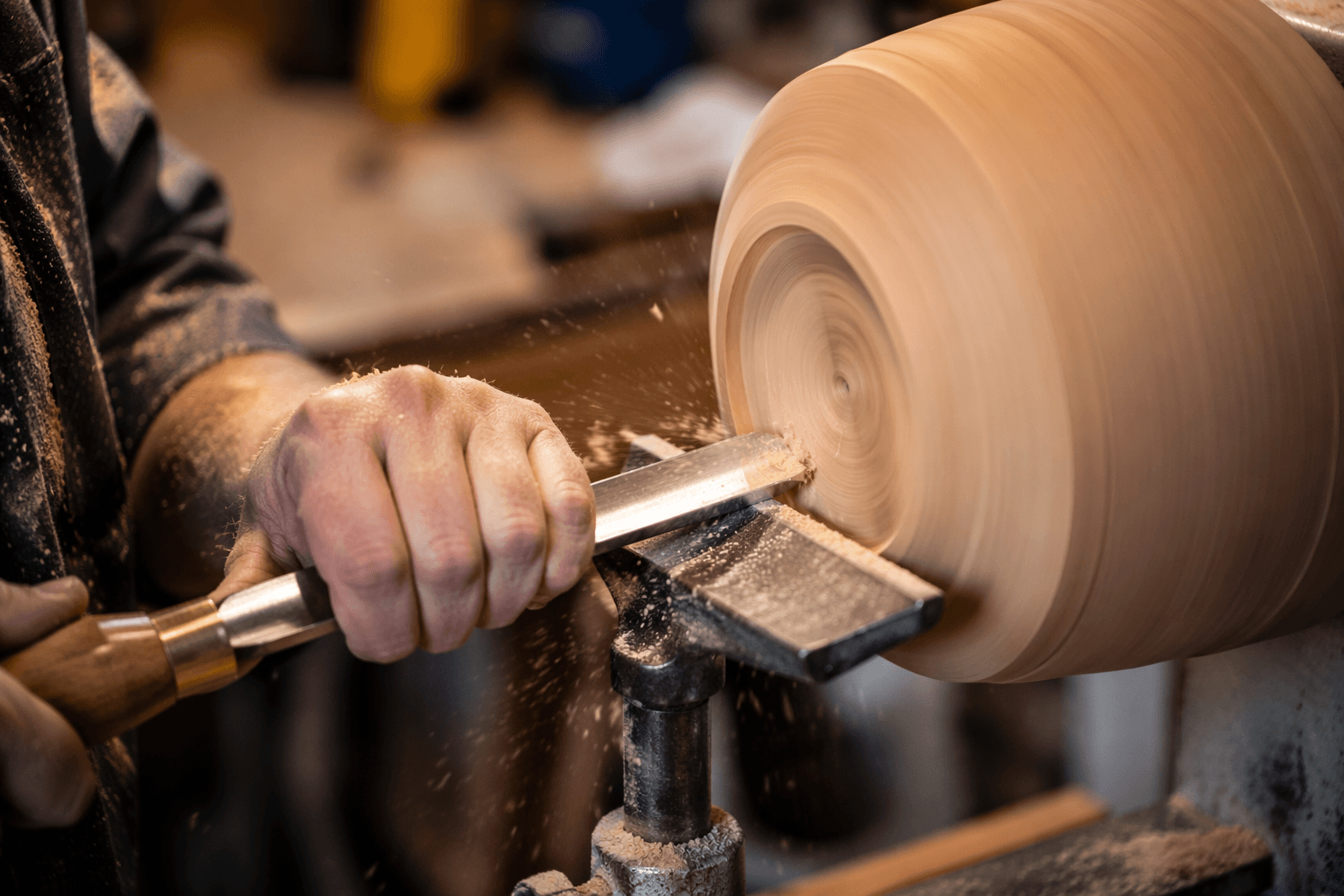
A clean planing cut
Your first win is not a dramatic flourish, it is a smooth surface with less sanding behind it. On straight-grain spindle work, the skew’s slicing action can leave a finish that tells you immediately whether your presentation is right or wrong. If the tool starts to chatter or dig, the answer is rarely more pressure; it is usually less attack, a calmer hand, and a cleaner bevel relationship.
A crisp V-groove
The second useful win is a sharp V-groove, because the skew’s points make it ideal for crisp detail on spindles and small decorative elements. A clean V-groove also gives you feedback fast: if the long point is wandering or the tool is over-rotated, the groove shows it immediately.
A controlled bead or shoulder
The third win is a small bead or a crisp transition at a shoulder. Here the skew teaches you to work delicately, with the same careful presentation that makes the rest of the cut safe and predictable. For spindle refinement, it leaves details that look sharper before sanding even begins.
Why the catches happen
Most of the fear around the skew comes from the same few mistakes. The long point gets presented too aggressively, the bevel is not riding correctly, or the turner tries to force the cut instead of letting the slicing edge follow the grain. That is why the tool has such a dramatic reputation among beginners and such a different reputation among people who have spent time with it.
Alan Lacer addresses that fear directly with a line that captures the mood of a lot of first encounters: "Is the skew evil? No, not really." The point is not that the skew is harmless, because it is still a precision cutter with sharp points and clear consequences. The point is that the danger usually comes from a misunderstanding of the cut, not from some mysterious flaw in the tool itself.
The recovery habit is equally plain. Back off, lighten your touch, re-establish the bevel, and let the skew slice rather than scrape. Echter’s kindergarten framing reduces the whole thing to habits you already understand: counting, knowing the alphabet, and playing nice.
Why instructors still keep it in the curriculum
The skew keeps showing up in teaching because it does more than one job at once. It builds surface quality, but it also builds judgment, because every small mistake shows up in the cut.
A skew-chisel skill-builder series at Woodworkers Institute was inspired by an article about *A Course in Wood Turning* by Milton and Wohlers, first published in 1919, when woodturning was taught as a trade and the book was aimed at high school students.
This article was produced by Prism’s automated news system from verified source data, official records, and press releases, then run through automated quality and moderation checks before publishing. The system is built and supervised by the people who set the standards it runs under. Read our full AI policy.
Did this article answer your question?