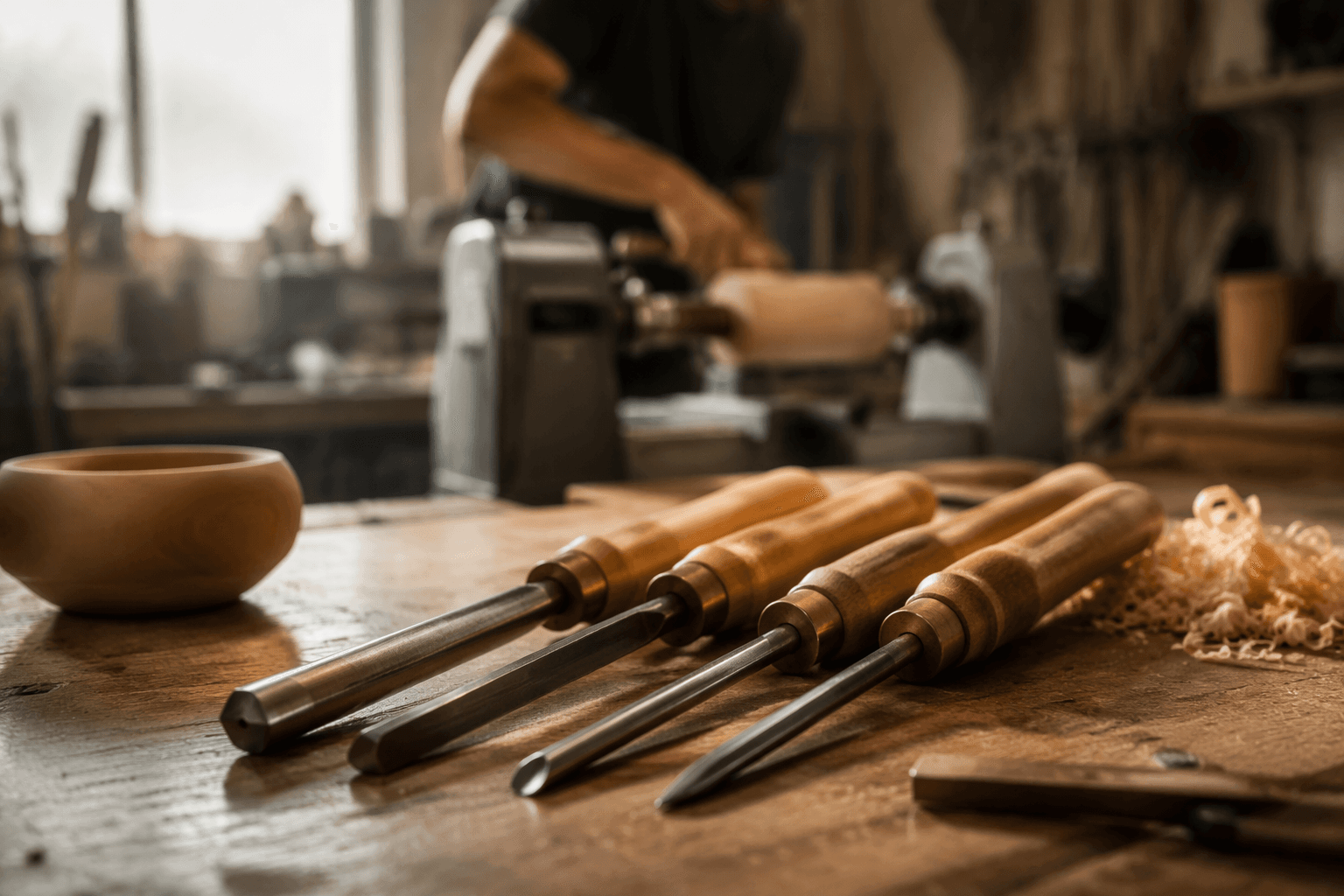
Vacuum chucking helps bowl turners finish the bottom cleanly
Vacuum chucking gives bowl turners a cleaner way to finish the foot, remount a piece, and sand the bottom without leaving the usual tenon.
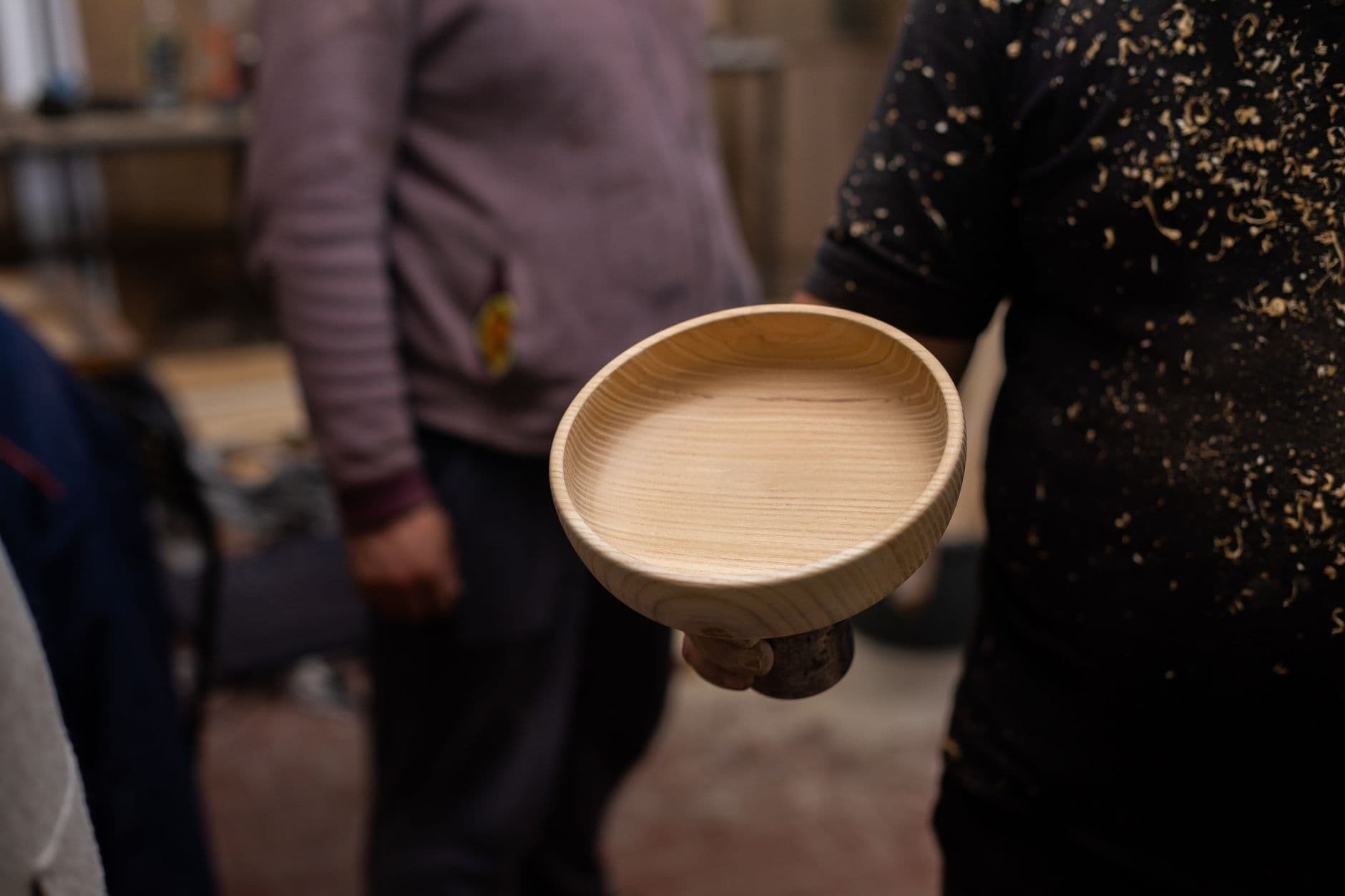
When a bowl is finished everywhere except the bottom, vacuum chucking is the next move. American Woodturner’s February 2011 feature in volume 26, number 1 put that problem front and center, calling vacuum chucking a way to solve one of the most common and frustrating tasks in woodturning: finishing the bottom of a turned piece cleanly.
Why vacuum becomes the next-step workholding choice
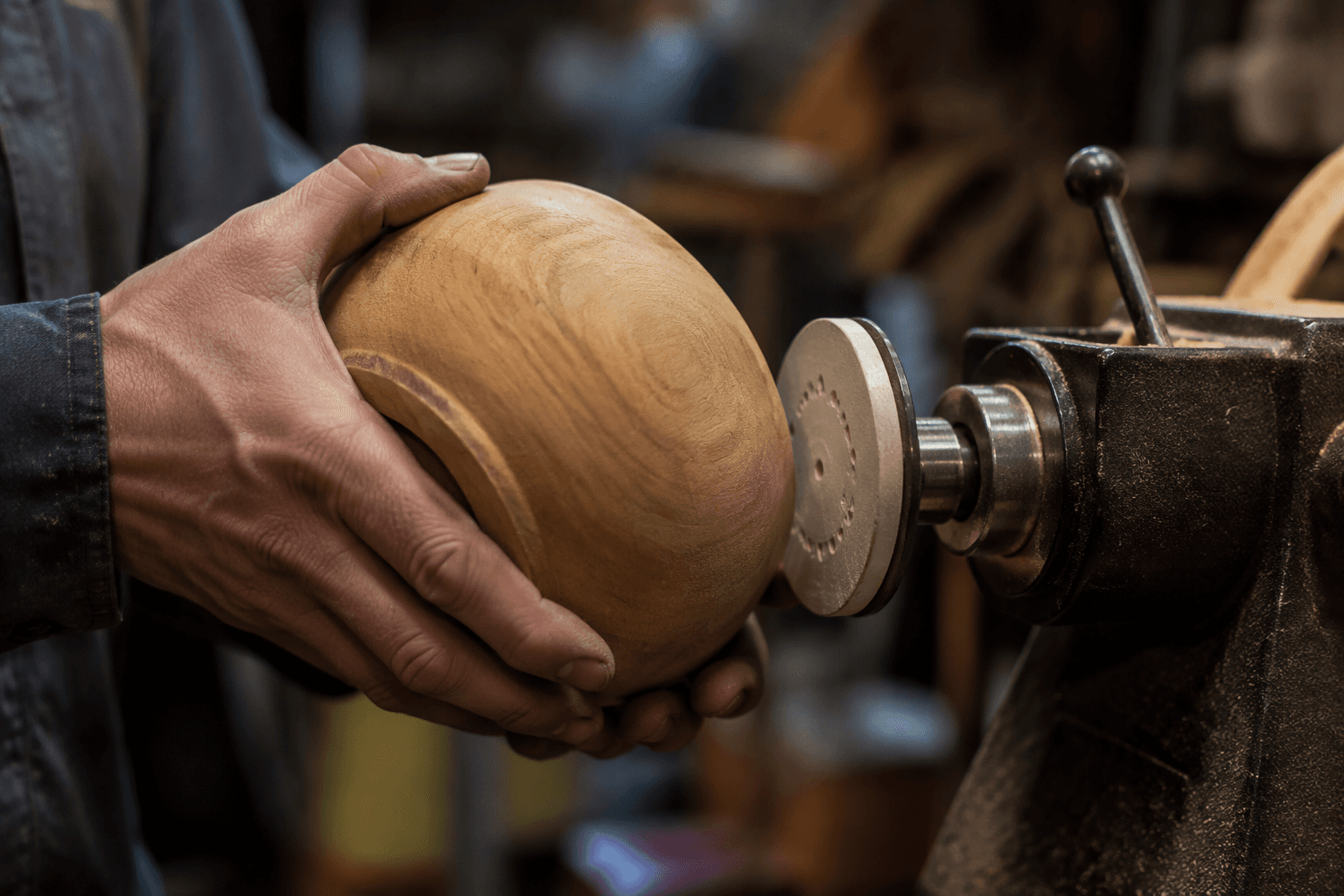
A vacuum chuck lets you hold a bowl, platter, lid, or other hollow form by suction so you can remove the last tool marks, refine the foot, and do final sanding or repair work on the bottom surface. That same approach can eliminate the mounting tenon.
The more familiar alternative is reverse-chucking a bowl between a live center and a shaped piece of wood with a soft mat, as a 2015 Woodturners Society of St. Louis newsletter showed. Vacuum chucking holds the work by drawing vacuum through the headstock instead of depending on direct mechanical pressure from a chuck or pad.
What the system actually needs
Vacuum chucking is not magic, it is a sealed system. You need a pump, a gauge, hoses, valves, adapters, and a chuck body or pad that can hold the piece without leaking. In the Diabolo Woodturning Center handout, the system lowers the air pressure inside the chuck so outside atmospheric pressure holds the vessel, and at sea level one atmosphere equals 14.7 PSI.
That pressure only helps when the rest of the system is tight. Seals, adapters, hoses, and valves all matter, and every weak point steals holding power. Paul Hannaby’s vacuum chuck article, first published in December 2011 in issue 235 of GMC Woodturning, shows that learning curve directly. He centered a bowl by trial and error with the bypass valve turned down so the vacuum was low enough to move the piece around, then increased the vacuum once it was centered. He also wanted a setup that was versatile, removable so drive centers and knockout bars would stay accessible, and inexpensive.
When vacuum is the better choice
Vacuum chucking earns its keep when the piece is already close and you need controlled access to the bottom. The Diabolo handout names it for completing the foot of a vessel, re-chucking a “completed” object, and quick securing for extra steps such as sanding. That makes it ideal for finishing a bowl bottom cleanly, truing a remount, or rescuing a piece that is only slightly off-center after reversal.
It is also a practical choice for projects where visual cleanliness matters. If you want the bottom to read as part of the form instead of a place where the workholding fought back, vacuum minimizes the evidence of remounting.
Where vacuum falls short
Vacuum chucking is a finishing and repair method, not a roughing method. It is best for light finishing cuts, sanding, and small corrections. Once you start asking it to handle aggressive stock removal, you are outside the job it was built for.
That limitation is even more important with porous wood. A porous blank behaves like a leak path, and a leak anywhere in the system reduces the grip you have left at the bowl. John I. Giem’s June 2012 American Woodturner article took that problem a step further with compliant vacuum chucking, a technique meant to let turners mount and turn burls and other rough blanks without cutting into the rough surface.
Safety and setup mistakes that can ruin the work
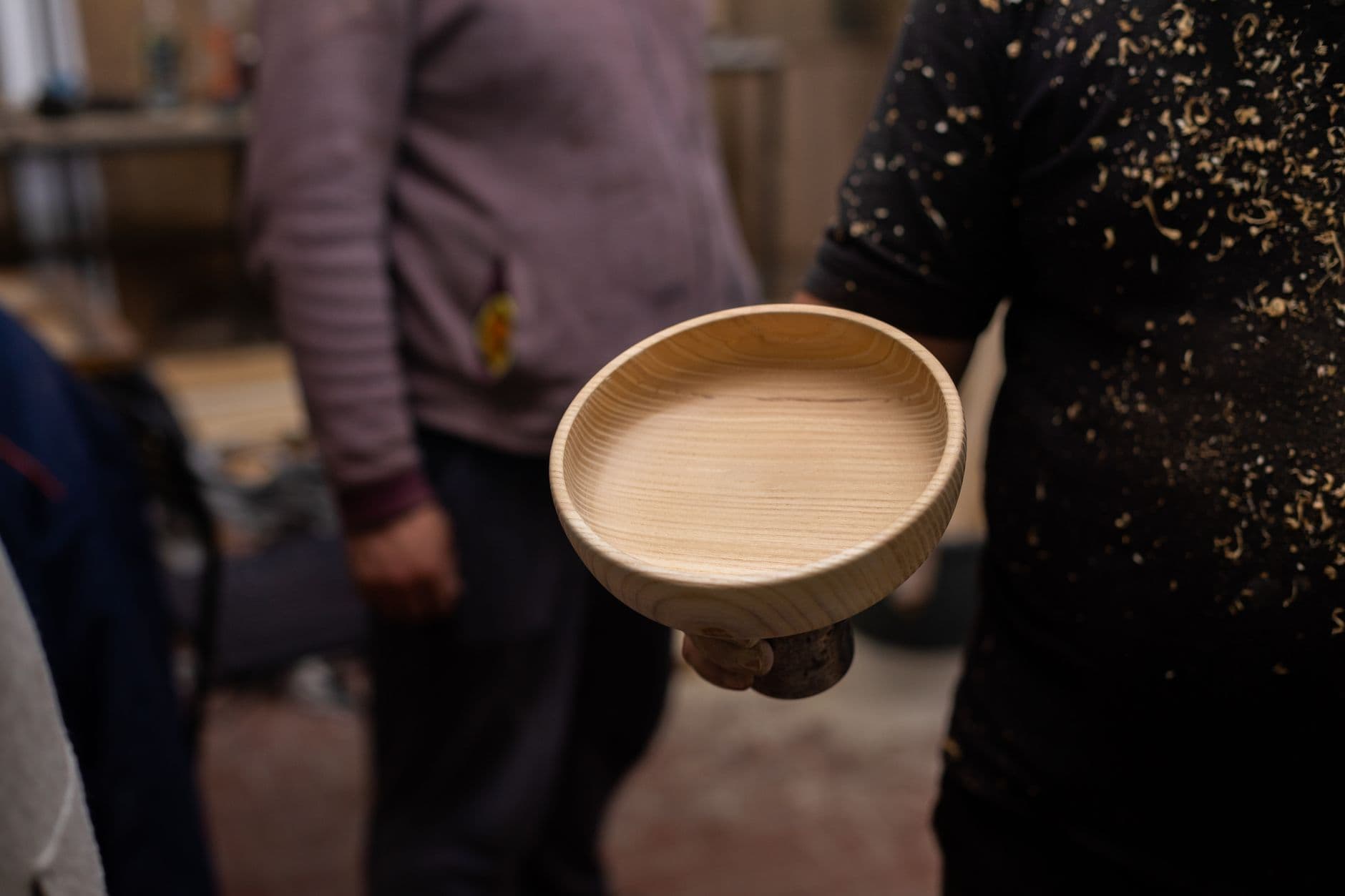
The biggest mistake is treating vacuum as a substitute for proper initial chucking. The bowl should already be safe and nearly finished before vacuum is asked to hold it. If you try to use it on something that is still unstable, too rough, or too porous, the system will show its limits fast.
The practical errors are usually the familiar ones: a leaky hose, a poor adapter fit, a weak gasket, or an overly aggressive vacuum setting before the piece is centered. Hannaby’s trial-and-error approach with the bypass valve put control first and full holding force second. When the seal is right and the piece is already prepared, the vacuum holds the bowl steady while you finish the bottom cleanly.
How the idea developed in woodturning circles
This is not a brand-new shop trick. William Noble’s March 2002 PDF on building a vacuum chuck system shows that turners were documenting the idea as a do-it-yourself engineering problem more than two decades ago. By the time the February 2011 American Woodturner feature appeared, and later the June 2012 compliant vacuum chucking article, the method had already moved from homemade hardware into a recognized part of the turner’s workholding toolkit.
This article was produced by Prism’s automated news system from verified source data, official records, and press releases, then run through automated quality and moderation checks before publishing. The system is built and supervised by the people who set the standards it runs under. Read our full AI policy.
Did this article answer your question?