Why faceplate work deserves more respect in woodturning
Faceplate work is where mounting, grain direction, and cut control all matter at once, and it opens the lathe to lamp bases, stools, tables, and more.
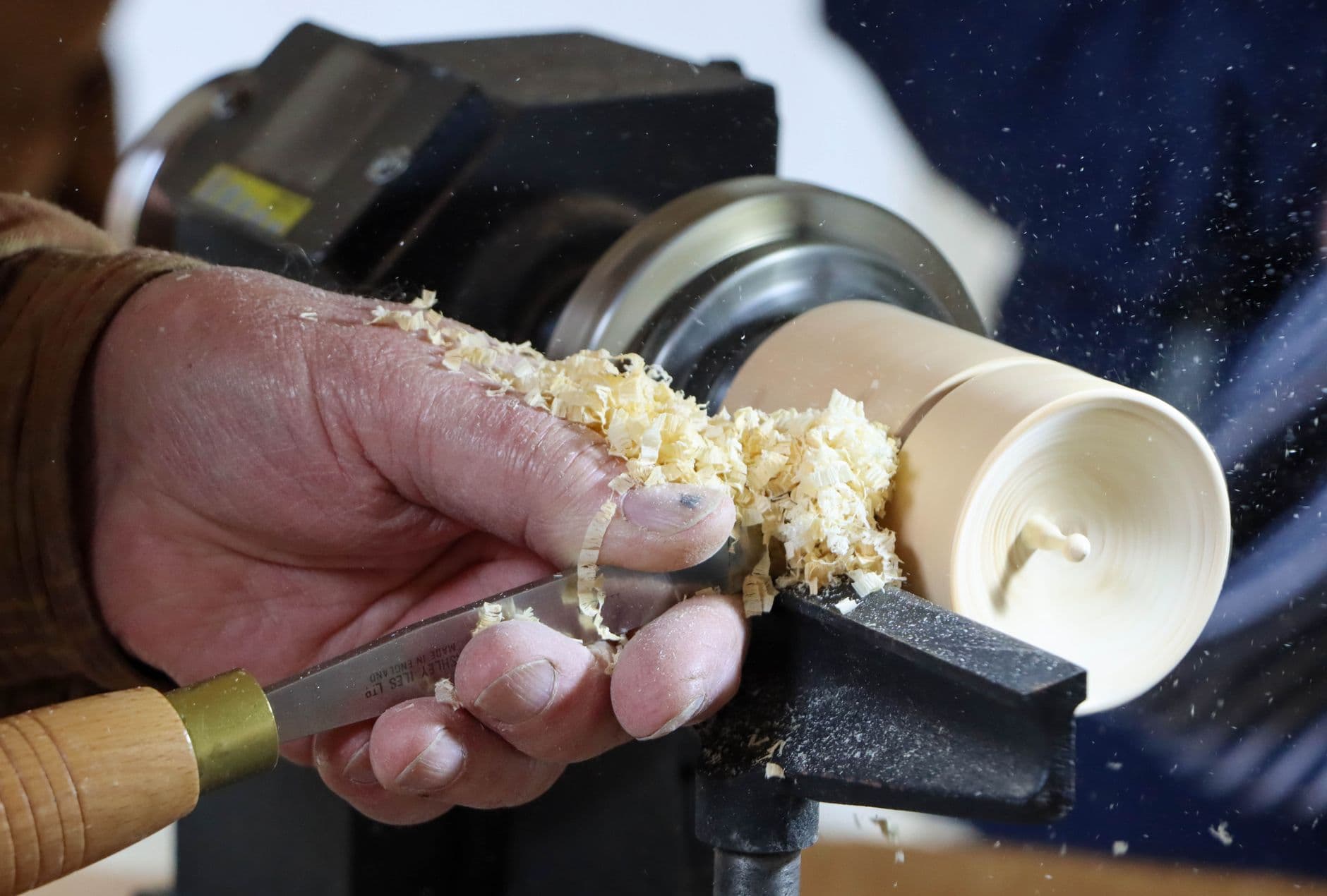
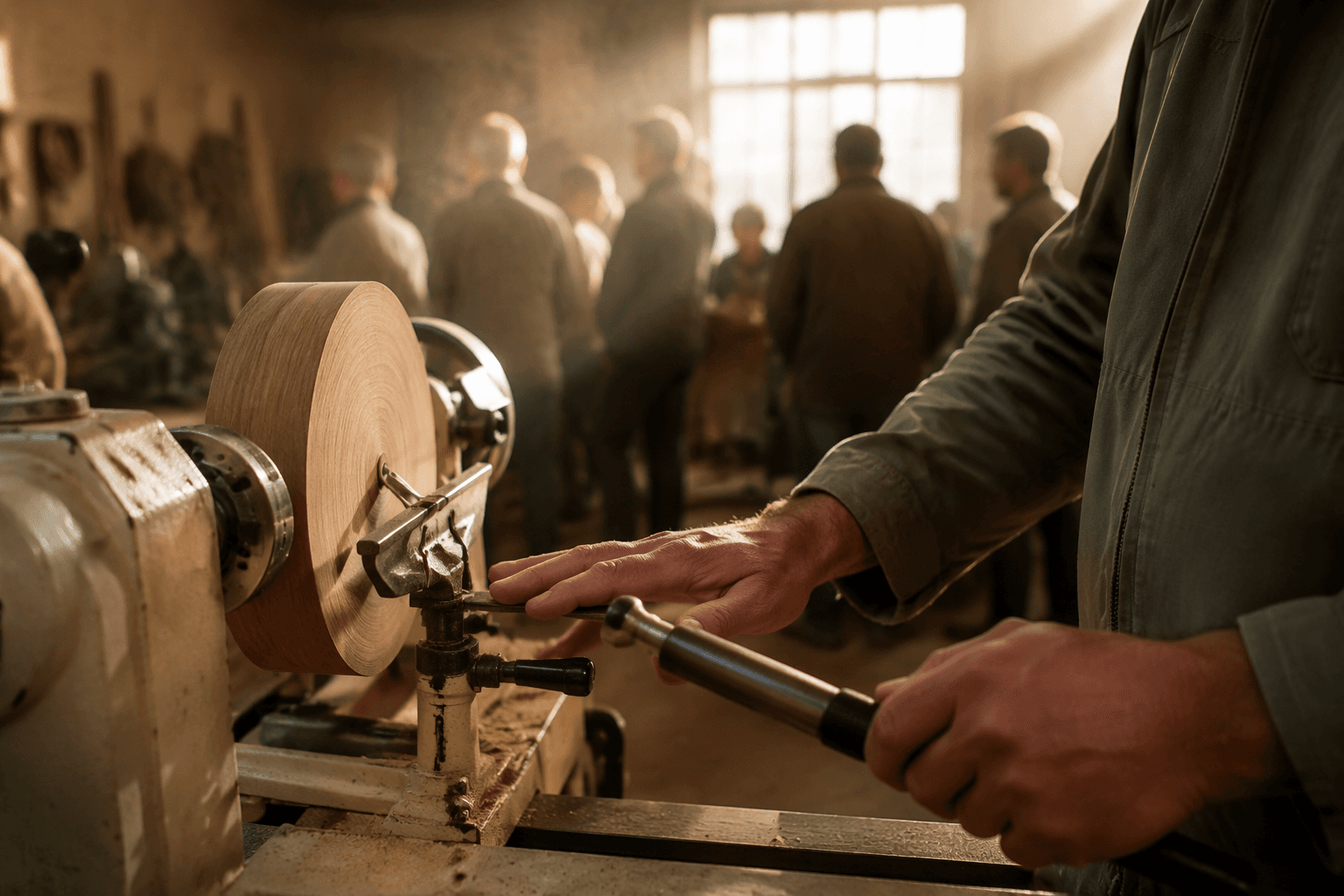
Faceplate work gets treated like the awkward cousin of bowl turning, yet it is the setup that lets the lathe handle the wide, shallow, and oddly shaped forms that bowls cannot cover on their own. The real hesitation usually starts with four problems that show up fast: security at the mount, balance in the blank, grain running the wrong way for the cut, and forms that feel awkward before they even spin.
That is exactly why faceplate work deserves more respect. When the blank is mounted properly and the cut is controlled, it stops being a special case and becomes one of the most useful ways to turn practical objects and decorative pieces that would be difficult to hold any other way.
What faceplate turning actually opens up
Woodworkers Institute treats faceplate work as anything beyond bowls, and that is the right way to think about it. The form list is broader than many turners first expect: lamp bases, candlesticks, plinths, table tops, stool seats, coasters, chopping boards, and rosettes all belong in the same family of work.
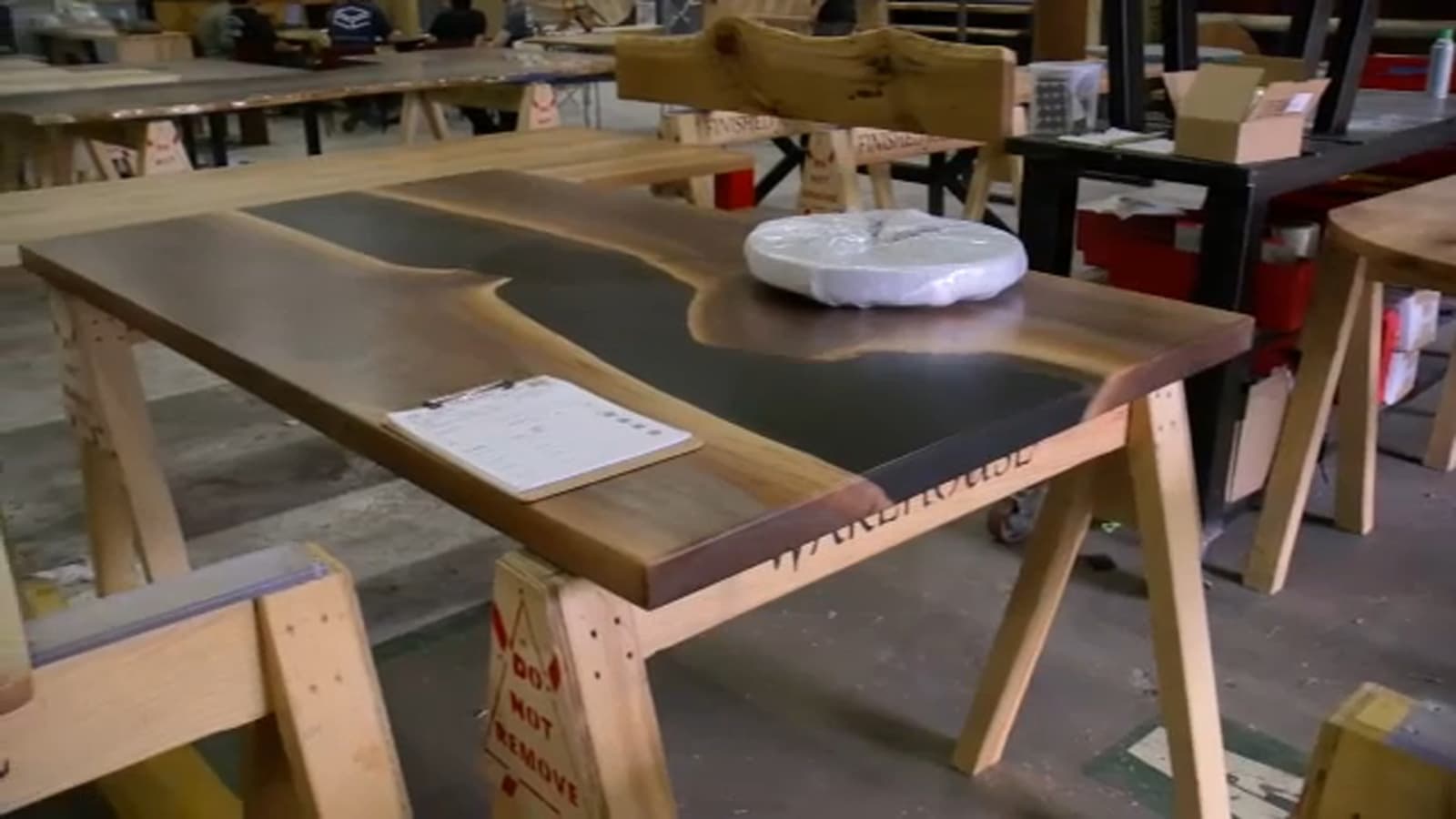
That range matters because each of those pieces asks the lathe to do something different from a standard bowl blank. A lamp base needs a stable footprint and a clean profile. A stool seat or table top needs a broad, controlled surface. Coasters, chopping boards, and rosettes turn the faceplate into a platform for pieces that are flat, architectural, and sometimes too shallow to make sense between centers alone. Faceplate work is not just a workaround for awkward stock. It is the method that makes that kind of work possible in the first place.
Why grain direction decides the quality of the surface
The American Association of Woodturners draws a clear line between spindle turning and faceplate turning by the orientation of the grain relative to the axis of the lathe. In faceplate or sidegrain turning, the grain runs perpendicular to the lathe bed, which means each revolution brings both endgrain and sidegrain to the cutting edge.
That detail explains most of the frustration people feel when a faceplate cut goes wrong. Endgrain is harder than sidegrain, and its fibers can tear instead of cut cleanly. The result is the familiar mess of torn grain, catches, poor shapes, and a finish that looks rougher than the turner expected. On a larger blank, or on one with a wide exposed surface, the mistake is even harder to hide because the cut is on display immediately.
The fix is not to treat faceplate work as mysterious. It is to respect grain direction the same way every time. Once you can read how the fibers run and how the tool is meeting them, the cut starts to clean up. The blank stops fighting you, and the surface tells you when you are moving in the right direction.
Mounting is the first real cut
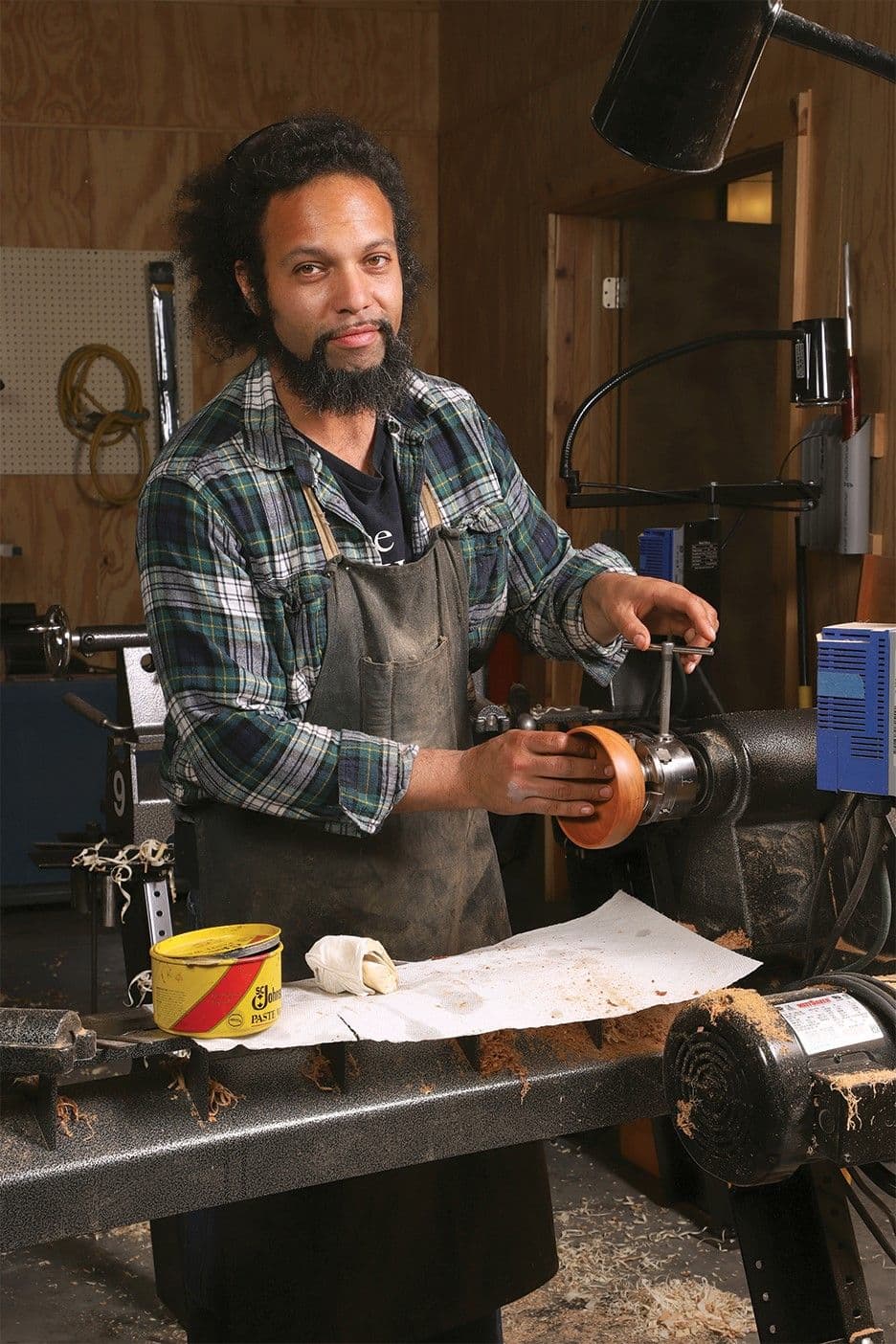
A faceplate does more than hold wood to the spindle. It creates a stable platform for a wide blank, and that stability is what lets the turner focus on shape instead of worrying about the workpiece shifting under load. This is why secure mounting is not a detail at the edge of the process. It is the process.
The American Association of Woodturners identifies faceplates as standard accessories specific to faceplate turning, which is a good reminder that this is not an improvised trick. It is a formal part of lathe practice. The association’s history material also notes that hollow vessels may be mounted between centers, on a faceplate, or in a chuck, showing how long the trade has used different holding methods to match the form being made.
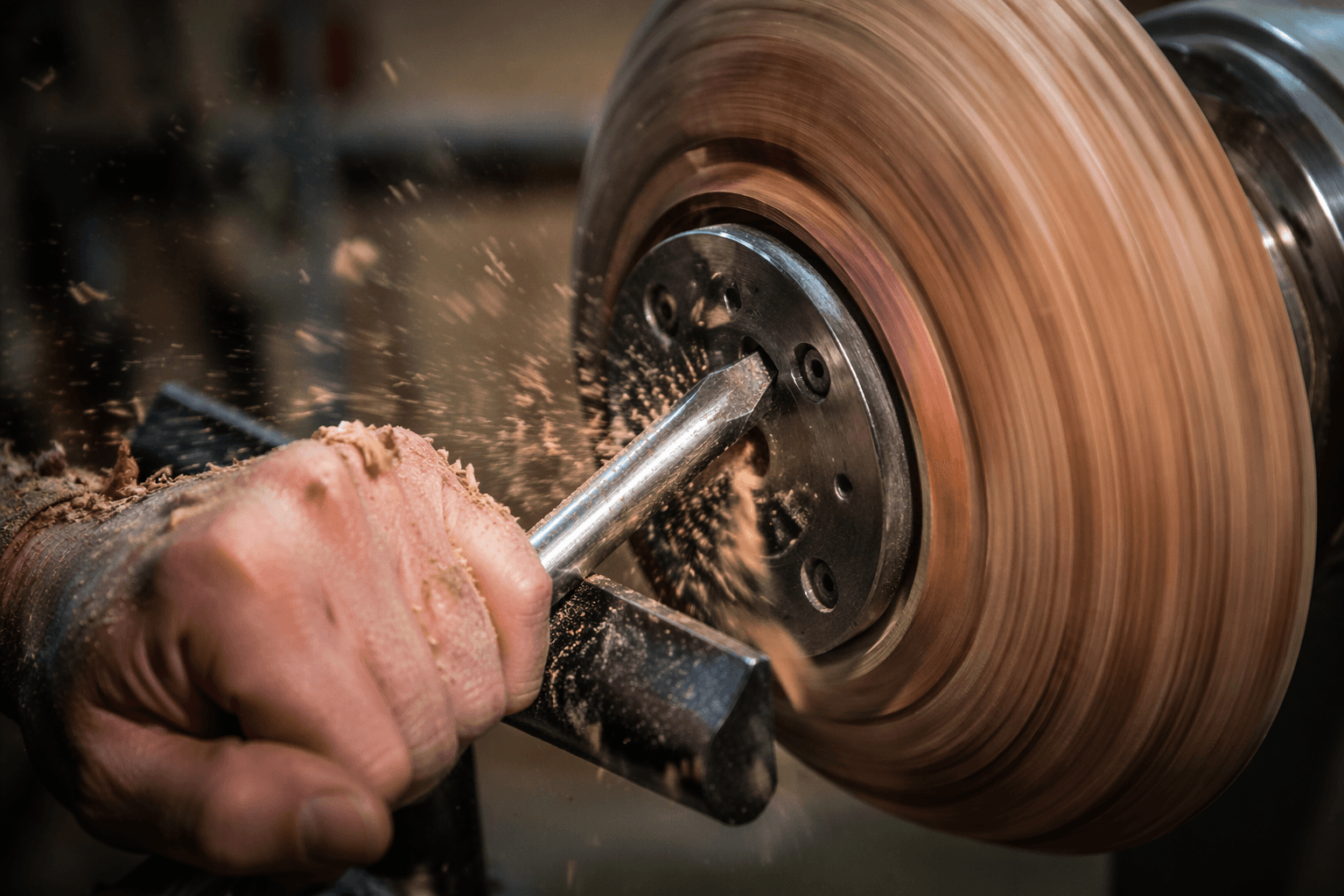
That flexibility is the point. Faceplate work is not a last resort. It is one of the core ways turners adapt the lathe to different shapes, different grain orientations, and different demands for support.
Safety and control are not optional here
The American Association of Woodturners is blunt about lathe safety: use a full face shield whenever the lathe is turned on. That advice fits faceplate work especially well because the blanks tend to be larger, the surfaces more exposed, and the consequences of a bad mount or a catch more immediate.
Safe, effective use of a wood lathe requires study and knowledge of the procedures for the tool, and faceplate turning rewards that discipline. A secure blank, a clear understanding of grain direction, and a controlled approach to the cut all work together. If one of those pieces is missing, the rest tend to fall apart quickly.
For turners who mostly live in spindle work or bowl turning, that can feel like a warning. In practice, it is an invitation to slow down and build a broader habit around the lathe. The better the setup, the more the tool behaves like an extension of the project instead of a hazard to manage.
A skill set that expands what the lathe can do
Faceplate work deserves more respect because it changes the shape of the projects you can say yes to. It is not only about making bowls in a different way. It is about stepping into forms that are flatter, wider, and more structural, while still relying on the same fundamentals that govern every clean cut on the lathe.
The Woodworkers Institute examples show the range plainly. A lamp base and a rosette ask for very different profiles, but both depend on secure mounting and careful attention to how the tool meets the grain. A stool seat or chopping board asks for a disciplined approach to broad surfaces. A table top or plinth pushes the turner toward scale and stability, which is exactly where faceplate work proves its value.
The American Association of Woodturners, founded in 1986 in St. Paul, Minnesota, has spent decades reinforcing the same truth through its fundamentals and grain-direction guidance: orientation matters, accessories matter, and the way the wood sits on the lathe changes everything about the cut. Faceplate work is not a lesser branch of woodturning. It is the part that makes the lathe feel larger, because it opens the door to the forms that bowls alone never cover.
Once the blank is mounted securely, the grain is read correctly, and the cut is traveling the right way, faceplate work stops looking risky and starts looking like what it really is: one of the most versatile ways to turn wood with control.
This article was produced by Prism’s automated news system from verified source data, official records, and press releases, then run through automated quality and moderation checks before publishing. The system is built and supervised by the people who set the standards it runs under. Read our full AI policy.
Did this article answer your question?