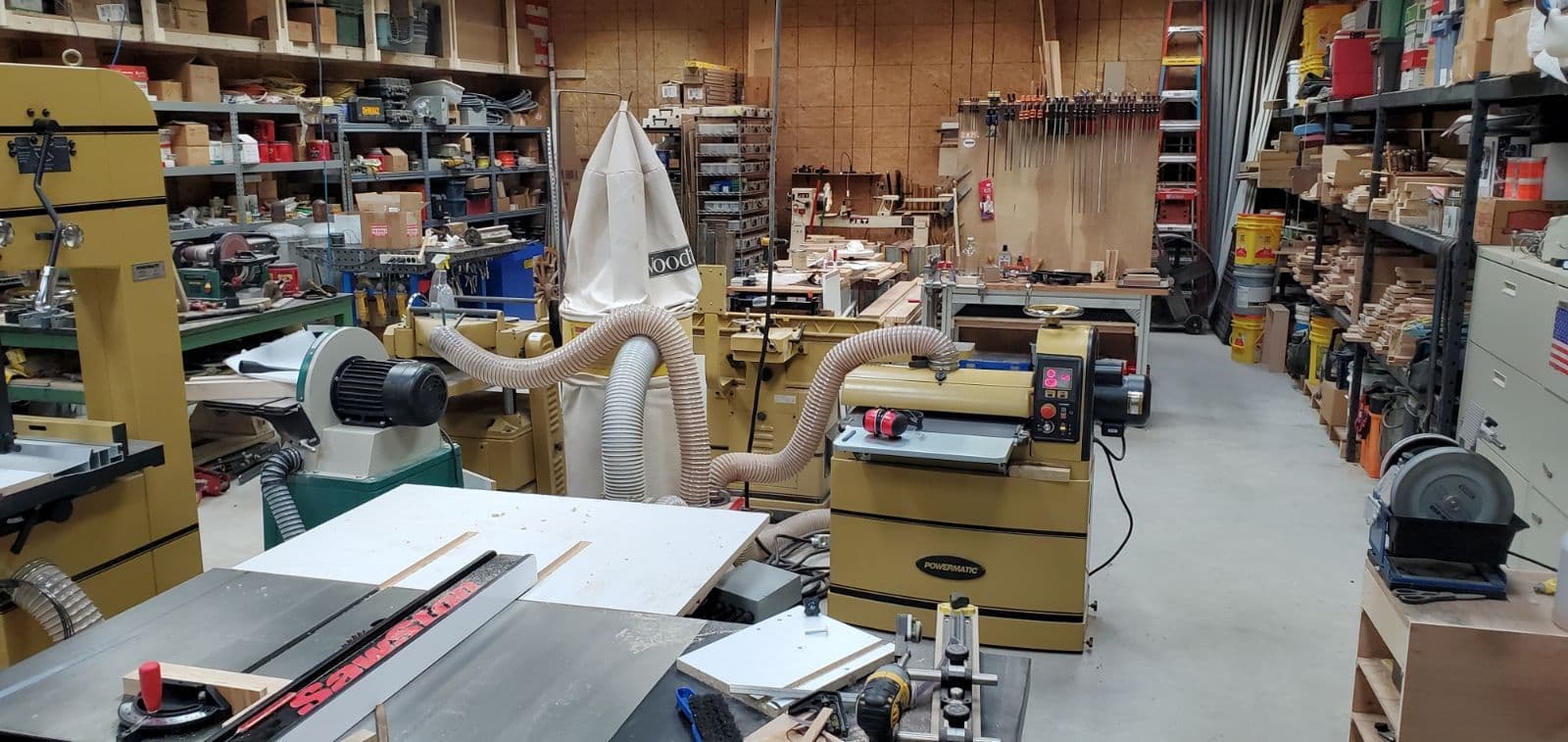
Woodcraft Nashville offers spring class turning wooden garden tool handles
Woodcraft Nashville packed a four-hour class with a useful payoff: turn handles for a transplanter, cultivator and weeder, then take home a garden-ready set.

A four-hour class at Woodcraft Nashville turned spindle work into something a gardener could use the same week: a custom handle set for a transplanter, cultivator and weeder. The Turned Garden Tool Set session with Jim Mahan ran Tuesday, April 21, from 9 a.m. to 1 p.m., cost $120, and was open to all levels.
The project stayed practical from the start. Students turned and attached wooden handles for three common garden tools, then left with a finished set instead of a practice exercise or a shop sample that would collect dust. For turners who want more than decorative bowls and platters, that mattered. For gardeners, it offered a way to put fresh spindle skills into a tool they could actually grab for transplanting, cultivating and weeding.
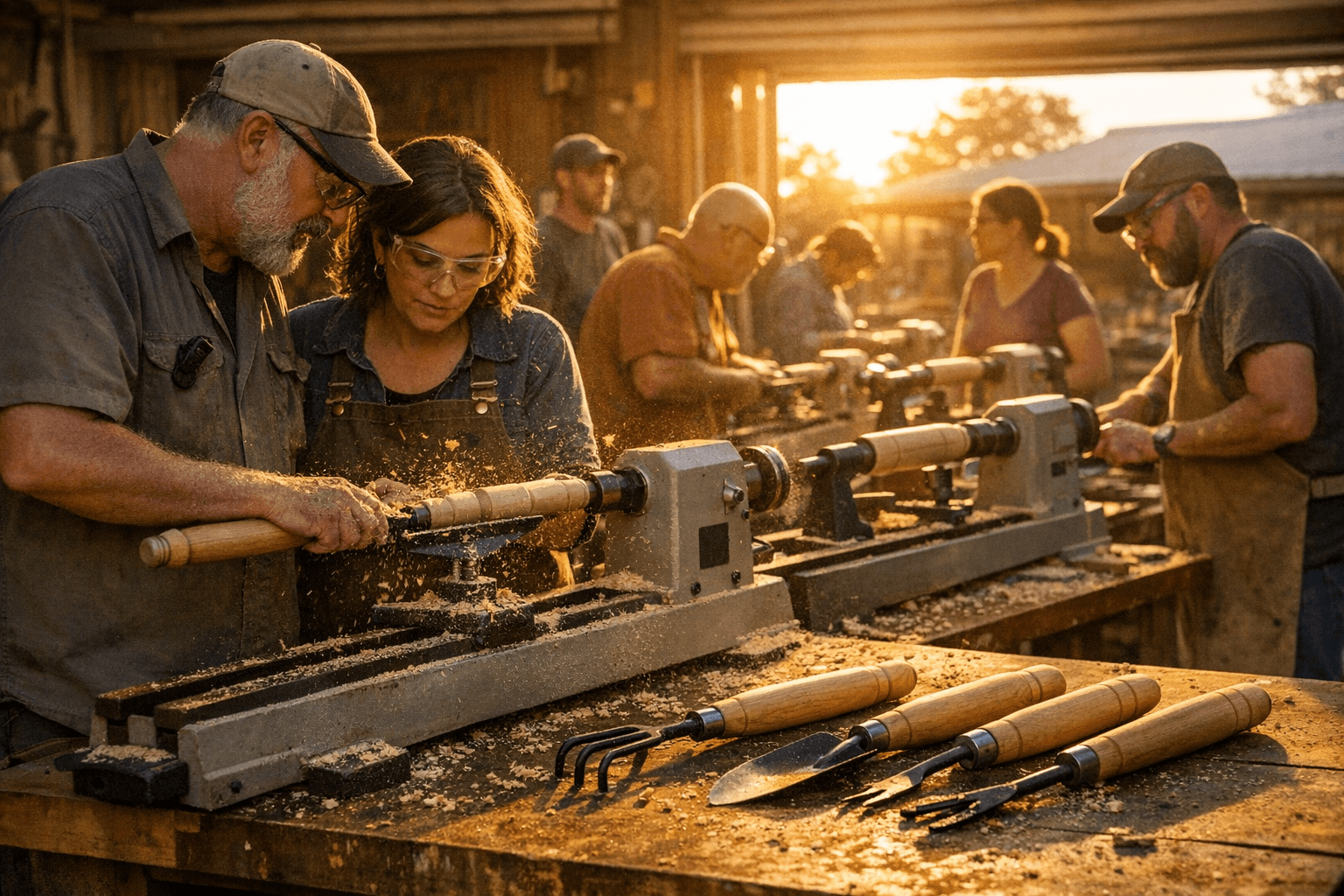
Woodcraft said the class covered lathe safety and basic terminology, which made the format approachable without stripping out the hands-on work. That balance fit the store’s broader teaching model: classes are built so participants can make a project and take it home, and monthly demos and store instruction are part of the company’s regular cadence. In Franklin, Tennessee, that model runs through Woodcraft of Nashville at 209 South Royal Oaks Blvd. STE #164, a brick-and-mortar shop with operating hours listed from 9 a.m. to 7 p.m. Monday through Friday and 9 a.m. to 6 p.m. Saturday.
The class also lined up neatly with Woodcraft’s WoodRiver Gardening Tool Turning Kit, a three-piece set that uses the same core idea. The kit covers a transplanter, a cultivator and a weeder, with handle material sold separately. Woodcraft says the kit is meant for personalized, ergonomic designs, and the project calls for an 11/16-inch pen maker’s bit plus three turning blanks measuring 1-1/2 inches by 1-1/2 inches by 6 inches. That gives the class a clear shop workflow and explains why the session translates so well from a retail demo wall to a working bench.
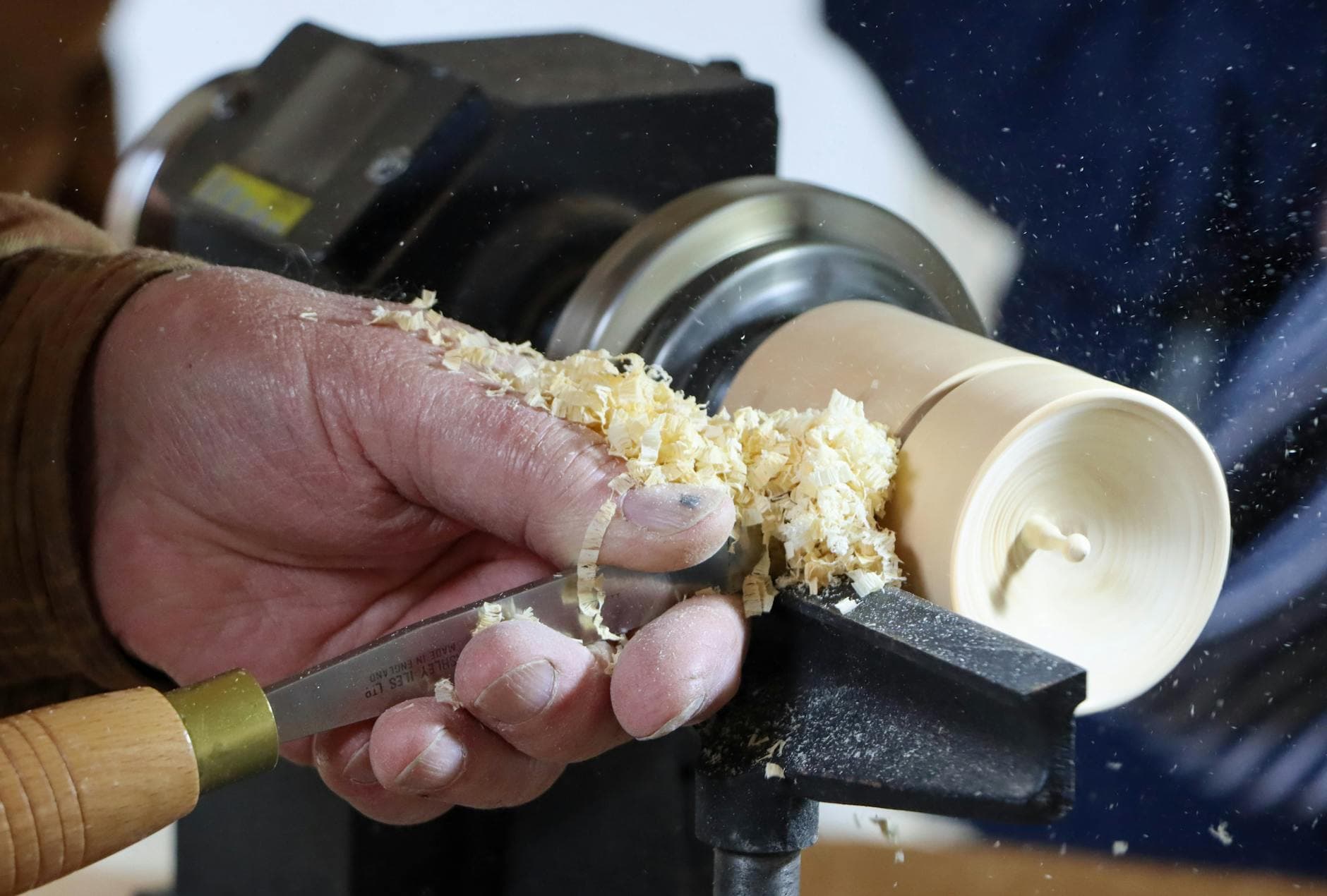
As a local offering, the class showed why store-based instruction still has traction in woodturning. It tied a straightforward lathe project to a tool set with immediate use, a manageable time commitment, and a finished result that lands squarely in the crossover space between turning and everyday woodworking.
This article was produced by Prism’s automated news system from verified source data, official records, and press releases, then run through automated quality and moderation checks before publishing. The system is built and supervised by the people who set the standards it runs under. Read our full AI policy.
Did this article answer your question?