Worldwide Woodturners spotlights July newsletter and LEVEL-UP 2026 registration
Worldwide Woodturners packs lathe maintenance, a crooked walking stick, and LEVEL-UP 2026 registration into one practical July update for turners.

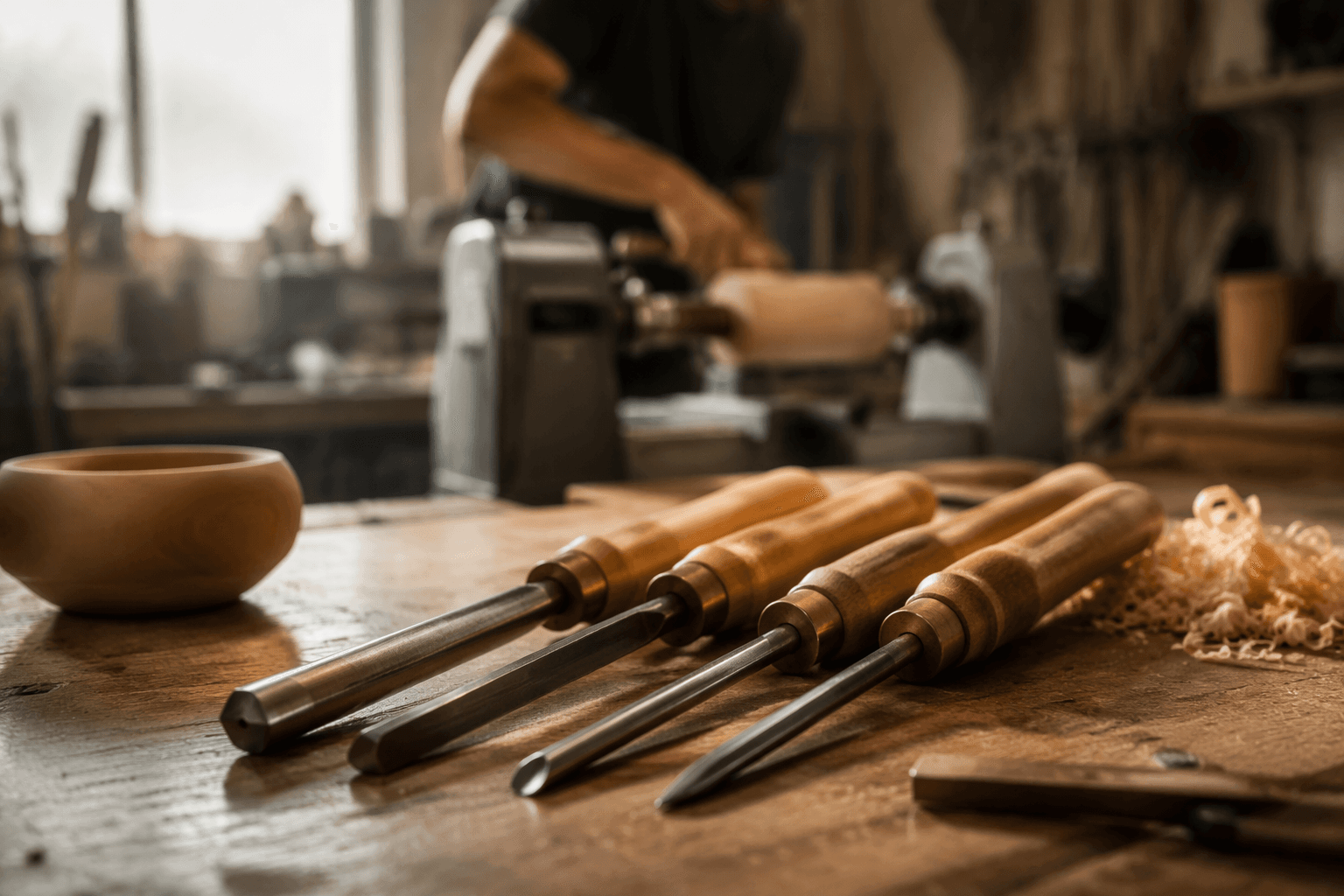
Worldwide Woodturners has put its July 1, 2026 newsletter front and center, and the issue reads like a ready-made shop brief. The page mixes hands-on turning, machine care, and event planning in one place, while also keeping older compilations easy to find for anyone who wants the back catalog. LEVEL-UP 2026 registration is open alongside the newsletter, making this a useful stop for both bench work and calendar planning.
What matters this month
The strongest part of the July lineup is how practical it is. The headline items move cleanly from lathe maintenance to a crooked walking stick, then into a 3D printed tailstock quill impeller and a multi-axis weed pot. That spread matters because it gives turners something immediate in every direction: a machine fix, a project with character, a shop-made upgrade, and a form-driven turning exercise.
The homepage also does something many club sites do not. It points to free printable compilations for the 2024 and 2025 newsletters, and it notes that those compilations are also on Amazon. That gives the site a dual role that is unusually useful for a volunteer-run community: it works as a live news feed for current items and as an archive for readers who want to revisit earlier projects and technical notes.
Lathe care that pays off at the bench
Scott Medori’s lathe maintenance piece is built around problems that every shop recognizes quickly. The article says the lathe was developing a sticky banjo, the quill on the tailstock was tightening up, and a Jacobs chuck had spun in the tailstock while a Forstner bit was in use. Those are not abstract warnings; they are the kind of small failures that interrupt a session and can snowball into bigger repair issues if they are ignored.
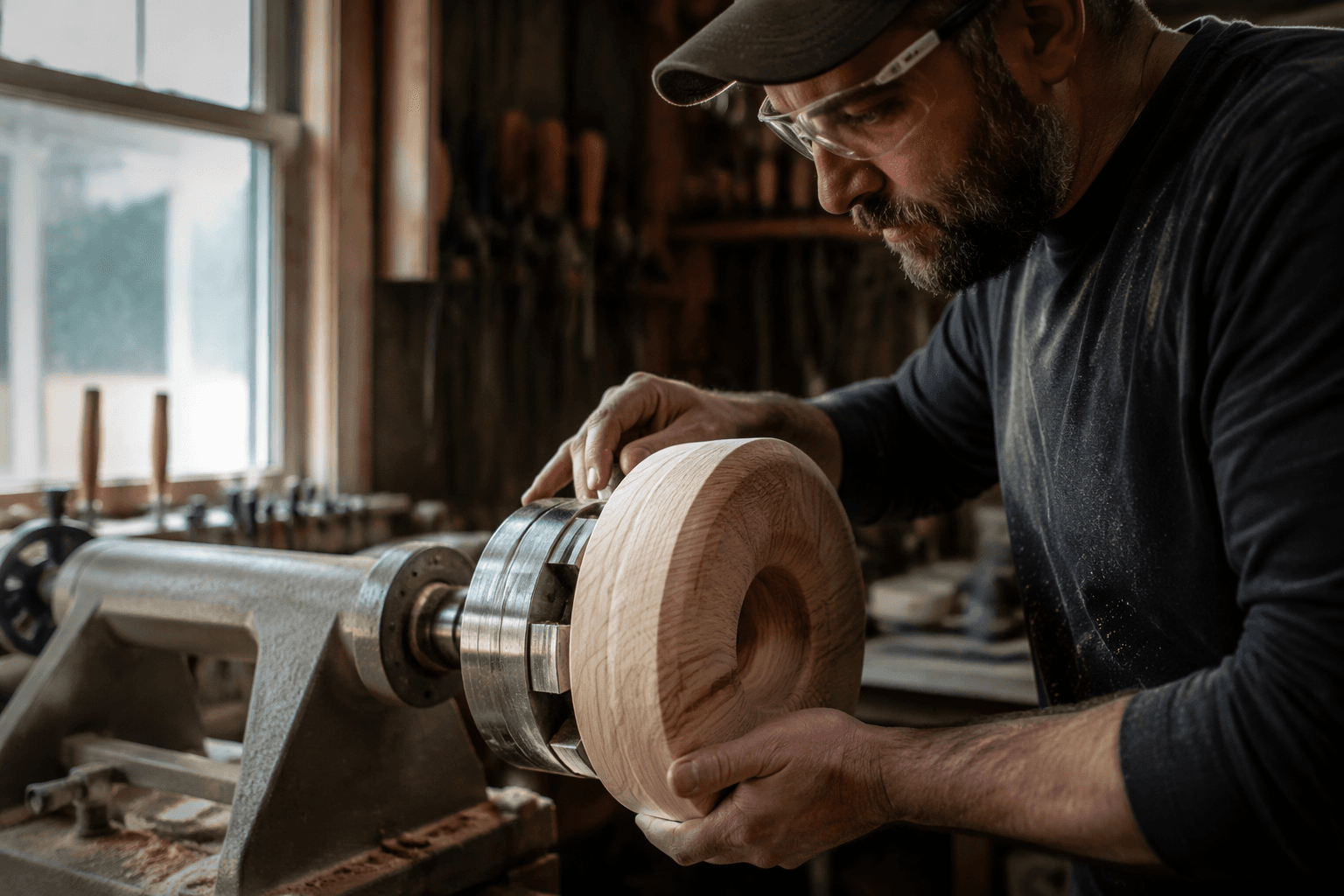
The maintenance checklist is straightforward and worth keeping close to the machine. It includes checking mounting bolts, blowing out belts and pulleys, inspecting belts, and cleaning Morse tapers. Taken together, the advice points to the usual discipline of keeping alignment, grip, and drive parts clean and secure so the lathe keeps working smoothly instead of turning a simple project into a troubleshooting session.
A shop-made fix for a stubborn tailstock
The 3D printed tailstock quill impeller is a good example of how this community turns a nuisance into a small, shareable solution. The post credits Jim Duxbury with the original concept, and the site says STL files are available for printing the impeller. That makes the piece more than a clever idea: it becomes something members can actually make, test, and adapt in their own shops.
The value here is in the size of the fix. Instead of replacing a larger part or accepting a recurring annoyance, the impeller gives turners a way to improve tailstock behavior with a shop-made component that attaches to the handwheel. It fits neatly with the maintenance article because both pieces focus on keeping the lathe responsive, dependable, and ready for work.
Turning a crooked stick into a usable walking staff
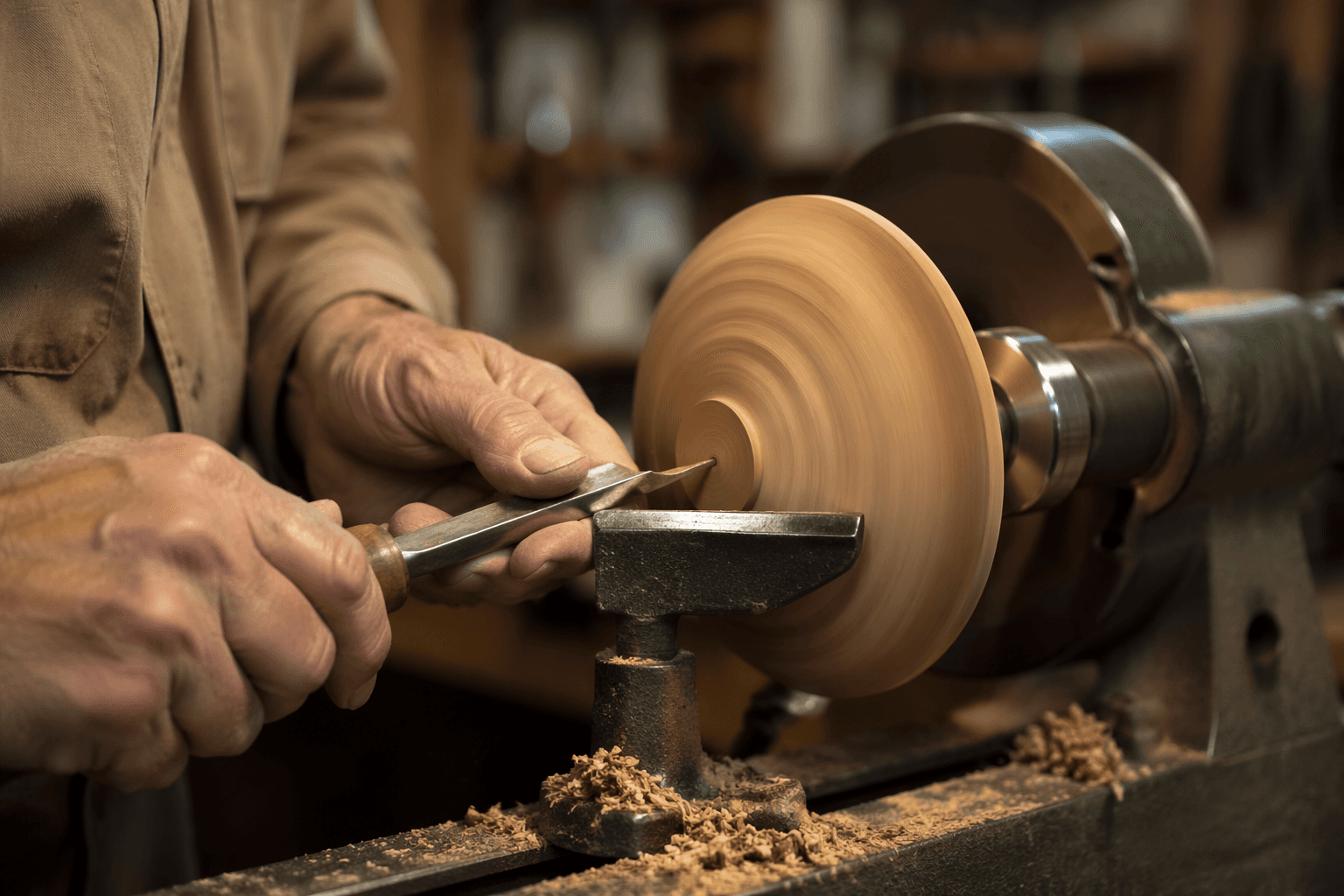
Howard King’s crooked walking stick story gives the newsletter its most vivid project image. Dr. John Sowell found a very crooked stick and wanted it turned into a walking stick, with enough size to fit his six-foot-six frame. The piece was about two inches in diameter, which is large enough to suggest real presence on the lathe and enough material to shape into something both functional and personal.
The collaboration is what makes the story land. Howard King turned the lower section while Dr. John Sowell finished the top so it would fit his hand comfortably, turning one awkward piece of wood into a tool with a specific user in mind. That division of labor gives the project a lived-in quality: the stick is not just decorative, it is tailored, and the result comes from a shared solution rather than a solo reveal.
The title also captures something the best woodturning projects do well. They start with an object that does not look especially cooperative, then make the grain, curve, and proportions work for a real use. In this case, the appeal is not perfection but fit, and the finished walking stick is shaped by the body that will carry it.
LEVEL-UP 2026 is already on the calendar
LEVEL-UP 2026 is now open for registration, and the event is described as a three-day, immersive, hands-on experience. The schedule page shows sessions on Thursday, September 17, 2026, and the event materials make clear that access on the lathe is limited. Each pod has a maximum of six lathes per session, which keeps the format intimate and hands-on rather than crowded.
The registration rules are just as specific. Registered attendees may audit any pod session on days they are registered to attend, but only officially registered participants may use a lathe. That distinction matters for planning, because it means the event offers a way to observe beyond your own pod while still reserving machine time for those officially signed in.
For turners deciding where to put their time this season, the combination is hard to miss: a current newsletter with practical shop advice, a project that turns a crooked stick into a custom walking staff, and a live registration window for a hands-on September event. Worldwide Woodturners has packaged the month around exactly the kind of material that keeps a community moving, from the bench to the calendar.
This article was produced by Prism’s automated news system from verified source data, official records, and press releases, then run through automated quality and moderation checks before publishing. The system is built and supervised by the people who set the standards it runs under. Read our full AI policy.
Did this article answer your question?