Adapted Yoga Improves Older Adults' Mobility and Wellbeing; Policy Integration Urged
Adapted yoga improves mobility, balance and wellbeing for older adults, and authors urge integrating evidence-backed programs into age-friendly services for wider access.
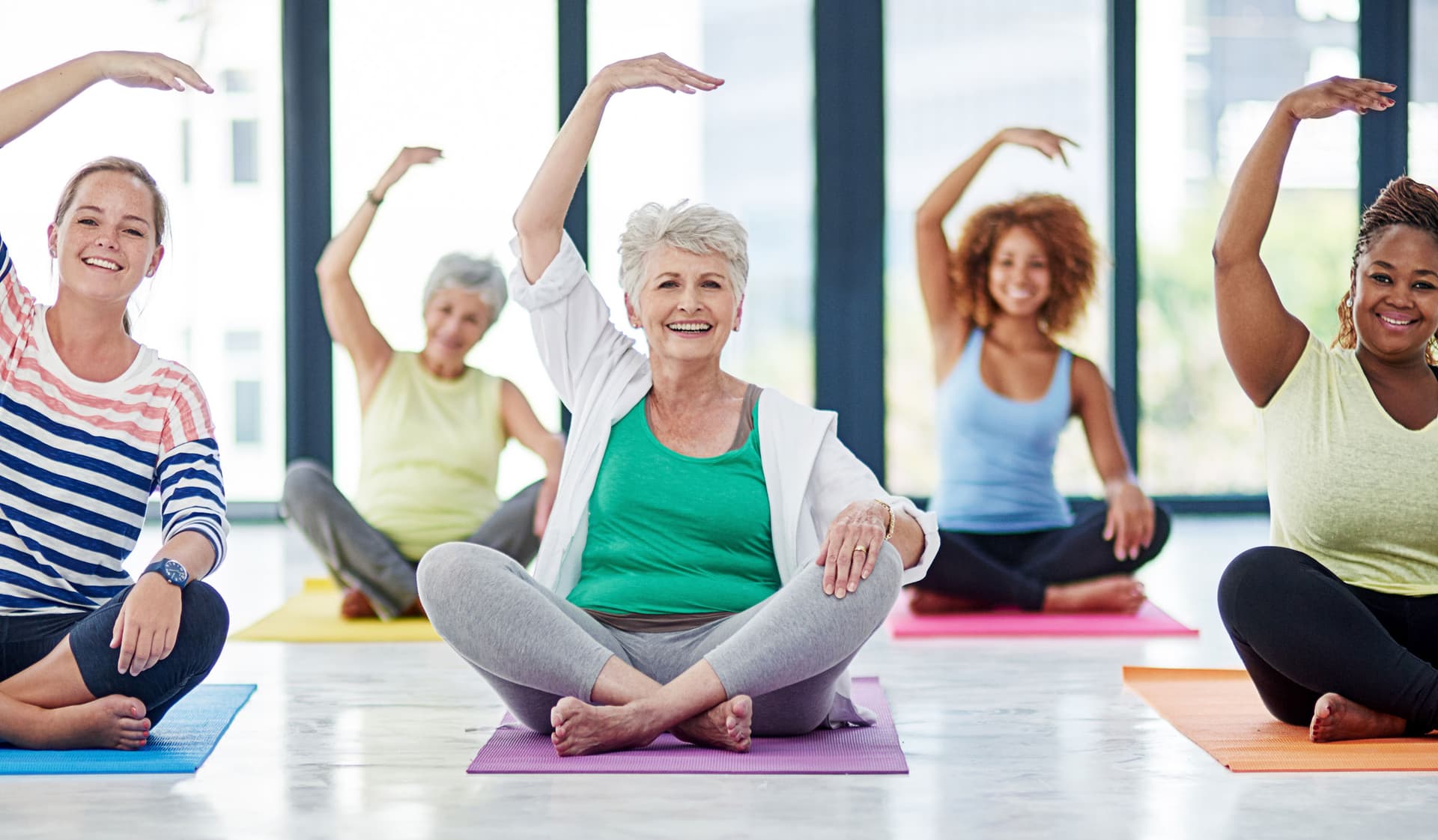
Adapted yoga for older adults delivers consistent improvements in flexibility, balance, mobility, cardiovascular markers, pain relief and health-related quality of life, according to a peer-reviewed perspective published January 20, 2026. The review synthesizes randomized trials and observational studies and frames practical recommendations for clinicians and policy makers to expand access to safe, evidence-backed classes.
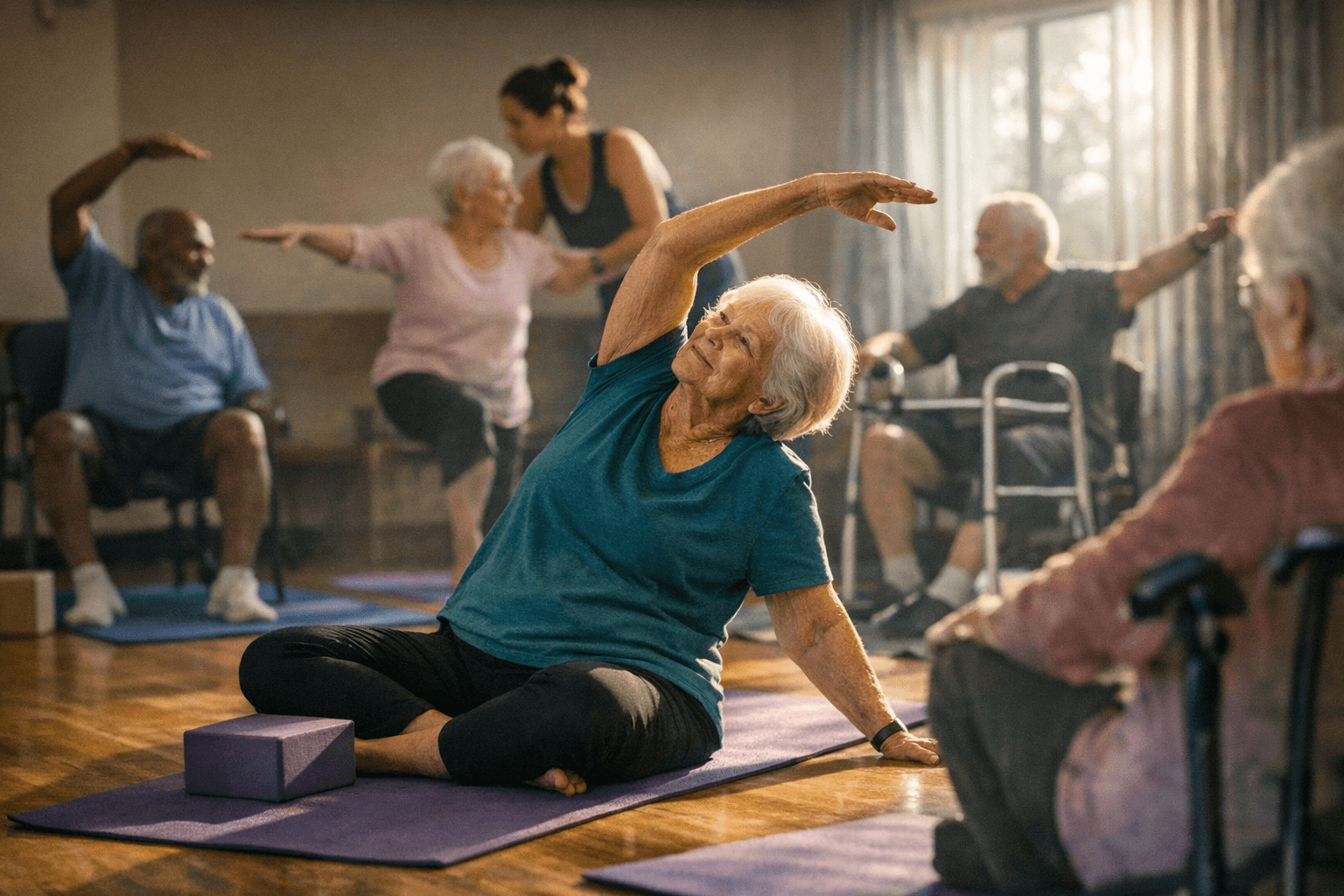
The paper finds benefits across chair-based and restorative formats, noting that simple adaptations such as props and chair modifications make yoga accessible to people with limited mobility. The authors highlight physiological mechanisms including improved balance and parasympathetic regulation, and psychosocial gains including better mood and cognition. Taken together, the evidence supports adapted yoga both as a movement practice and as a low-cost public health intervention for ageing communities.
Beyond clinical outcomes, the review addresses implementation barriers that matter to yoga teachers, studios, health services and local governments. Key obstacles include uneven training and credentialing for instructors working with older adults, lack of standardized program content and outcome measures, and gaps in equitable access for low-income and rural populations. The authors call for standardized outcome sets in future trials so that program success can be compared, replicated and scaled with confidence.
For community yoga providers and clinicians this paper offers clear, actionable steps. Prioritize chair-based and restorative class options, use props to reduce dependence on standing balance, and document functional outcomes such as timed-up-and-go or balance tests to track progress. Training programs should teach fall-safe sequencing, breath regulation to engage parasympathetic pathways, and inclusive language that welcomes varied abilities. Health services can pilot adapted yoga as part of rehabilitation and wellbeing pathways, and studios can partner with senior centers to host accessible sessions.
Policy recommendations center on integrating adapted yoga into age-friendly services during the WHO Decade of Healthy Ageing (2021-2030). That integration could mean funding for instructor training, reimbursement pathways for community-based programs, and inclusion of yoga in guidelines for healthy ageing initiatives. Standardizing outcomes across programs would also aid funders and planners in allocating resources to interventions with demonstrated benefits.
For practitioners, caregivers and local leaders, the message is practical: adapted yoga works and scaling it requires coordinated training, clear outcome tracking and attention to equity. The next steps will be adopting standardized measures in trials, expanding instructor education, and building partnerships between health services and community studios so older adults can access mobility-enhancing, mood-boosting classes close to home.
This article was produced by Prism’s automated news system from verified source data, official records, and press releases, then run through automated quality and moderation checks before publishing. The system is built and supervised by the people who set the standards it runs under. Read our full AI policy.
Did this article answer your question?