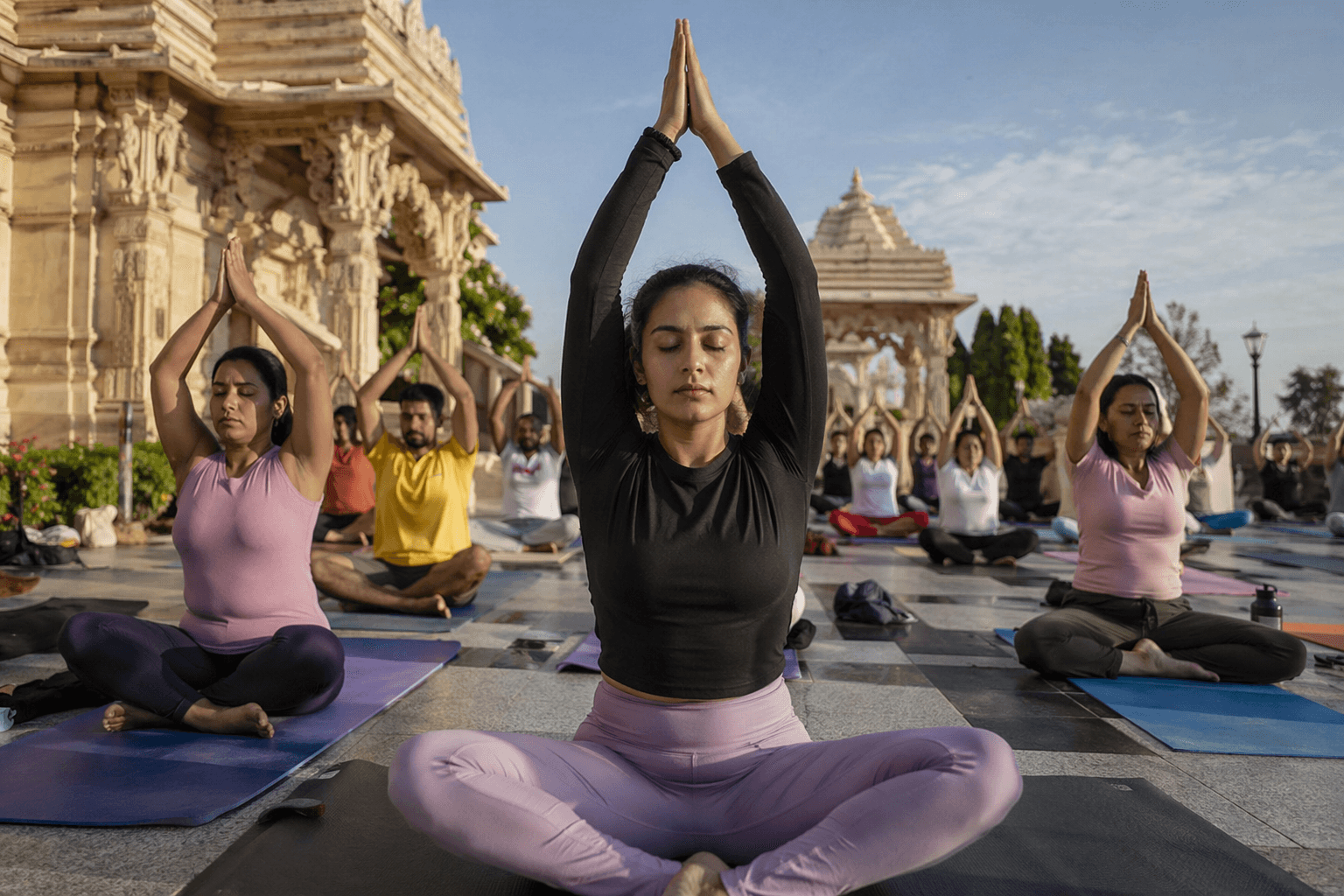
AIIMS cardiologist says yoga supports heart health, backed by research
An AIIMS cardiologist is drawing a harder line around yoga’s heart claims: useful for prevention, but best read as an add-on to screening, exercise and medication.

Yoga keeps showing up in preventive cardiology for a reason: the argument is no longer just that it feels good, but that the evidence has crossed a useful threshold for heart health. An AIIMS cardiologist said scientific research now supports yoga’s role in preventive healthcare, especially when the question is cardiovascular risk rather than vague wellness claims.
That matters because heart disease is still the world’s leading cause of death, and the World Health Organization says cardiovascular diseases include coronary heart disease, stroke and other major conditions. The WHO also says the four major noncommunicable diseases account for more than 80% of premature NCD deaths, with 85% of those deaths occurring in low- and middle-income countries. In that setting, yoga is being discussed less as a boutique practice and more as a low-cost tool that can sit alongside standard prevention.
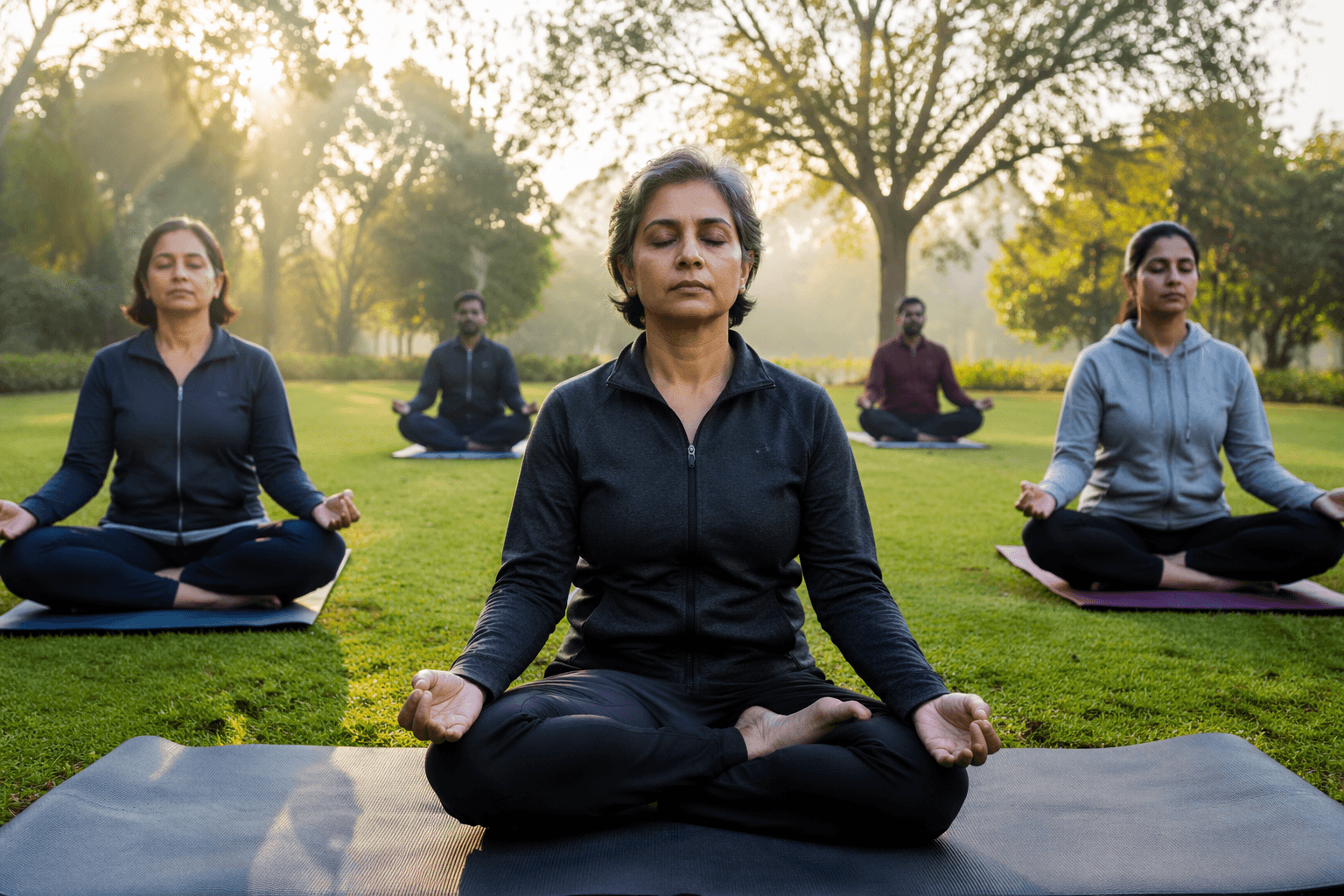
The timing is especially pointed on June 21, the International Day of Yoga, which India and the United Nations have helped turn into a global marker for the practice. WHO marked the 10th International Day of Yoga in 2024 with the theme “Yoga for Self and Society,” calling yoga a practical tool for improving both physical and mental health. AIIMS has also cast yoga research as part of its own scientific agenda, saying it wants to generate acceptable scientific evidence for traditional medicine systems and develop transformational research in yoga therapy.
The research base is no longer thin. A systematic review and meta-analysis found evidence for clinically important effects of yoga on most biological cardiovascular disease risk factors and said it can be considered an ancillary intervention for people at increased cardiovascular risk. A randomized controlled trial in adults with metabolic syndrome put that idea into practice with a 1-year yoga intervention in 182 participants, whose mean age was 56. That does not replace blood-pressure control, lipid management, diabetes care or routine screening, but it does give yoga a more defensible place in the prevention mix.
AIIMS-related cardiology material has kept pushing the inquiry forward. A 2022 AIIMS publication note pointed to newer evidence of yoga in medicine at a cardiology update conference, and an AIIMS cardiology research bulletin described a study of Yoga-Nidra in coronary artery disease patients, saying the initial findings improved sleep quality and a healthy blood-pressure profile. For yoga teachers and students, the message is becoming clearer: the strongest case is not that yoga does everything, but that it can do something real, in the right patients, when it is used alongside the rest of heart care.
This article was produced by Prism’s automated news system from verified source data, official records, and press releases, then run through automated quality and moderation checks before publishing. The system is built and supervised by the people who set the standards it runs under. Read our full AI policy.
Did this article answer your question?