Beginner Yoga Essentials: Foundational Poses, Props, Breathwork, Safe Sequencing
A practical primer condenses core poses, prop choices, and sequencing tips to help beginners practice safely and confidently.

The right props can completely transform your experience, especially when you’re just beginning," writes a yoga teacher and long-time prop enthusiast, and that idea frames this practical primer for new and returning practitioners. The article gathers specific, actionable guidance on foundational poses, essential props, and safe progression so readers can set up a smart, accessible home or studio practice.
Start with the mat. "The yoga mat is your foundation. It provides cushioning for your joints and a non-slip surface that keeps you stable in standing and balancing poses," Allison Lubben advises. Lay the mat on a firm, flat surface, use alignment markers if your mat has them, and wipe the mat after practice. For beginners Lubben recommends extra cushioning - "choose a mat with extra thickness (around 6mm) for added joint support."
Blocks are the next priority. Multiple sources call blocks the cornerstone of a prop collection: made from foam, cork, or wood, blocks extend reach, deepen stretches, and add stability. Cork blocks in particular "offer more stability and grip. For those wishing to build strength, choosing a heavier cork block can be a great way to add challenge in overhead block holds, drills, and core work. Cork is also the best choice if you want to practice arm balances on blocks. Since they’re made out of a natural material, cork blocks are eco-friendly!" Cover cork with a blanket or towel for comfort in restorative poses.
Practical block work matters in poses. For Triangle pose, the stepwise approach is simple and effective: "Try starting with the block at its tallest, then in time work on getting it to the middle, or lowest height before being able to reach the floor with your bottom hand." Blocks also support balance in standing work - for example, place a block under one or both hands in Warrior III if you cannot balance with arms extended.
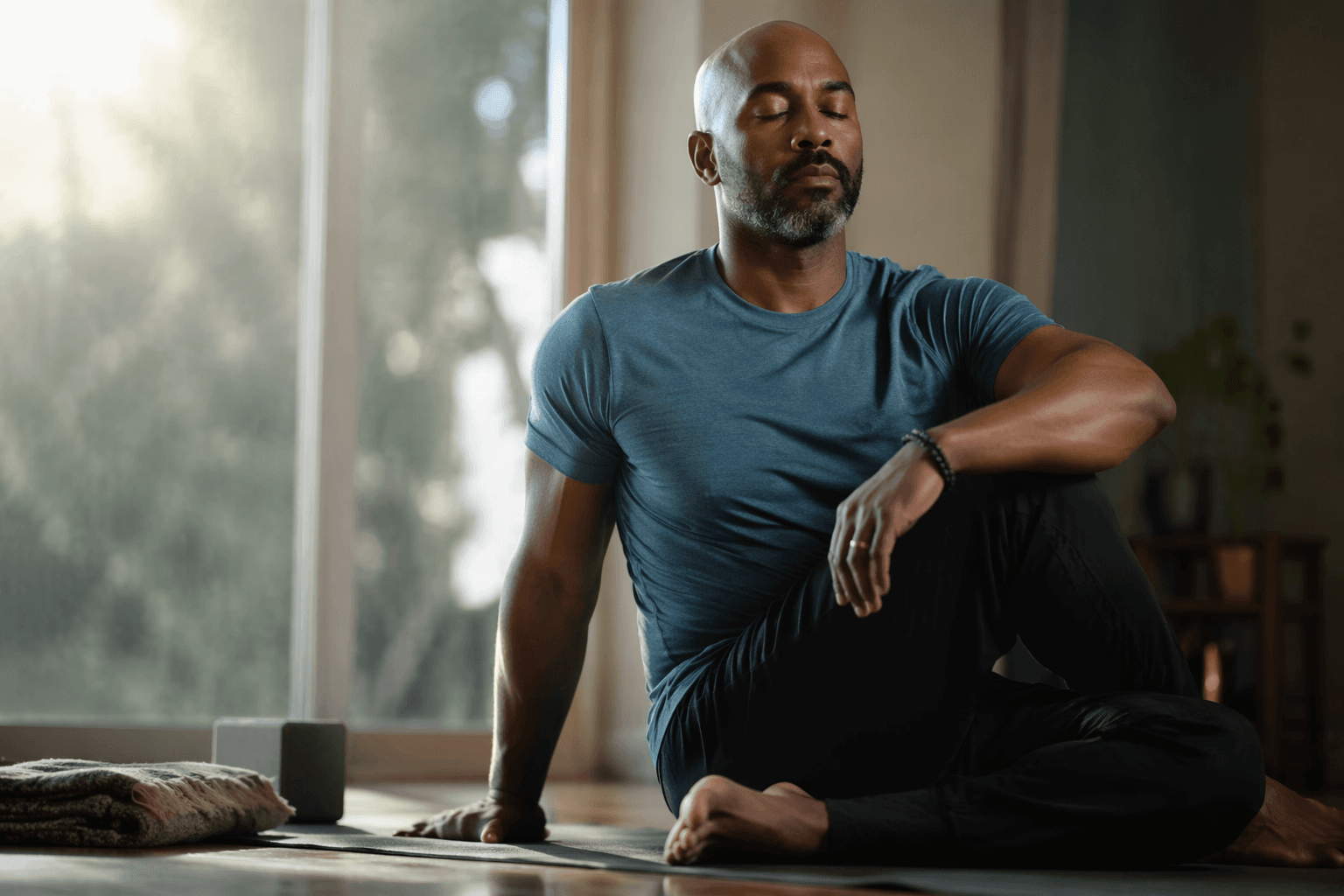
Foundational poses anchor the practice. The primer highlights Mountain pose (Tadasana) for alignment and grounding and lists Downward Facing Dog and Child’s Pose among essentials. Specific cues for Downward Facing Dog note that placing blocks under the hands "shifts your center of gravity backwards, taking pressure out of your hands and wrists" while placing blocks under the feet "places emphasis on hip height, deeply stretching the back of your legs and calves." Child’s Pose modifications include using support under the seat to "bring the ground closer to provide comfort in your hips and knees" and variations that "elongate triceps while gently opening your chest and activating your shoulders." If a mat is slippery, a towel or situating blocks against a wall helps stabilize footing.
Match props to practice. For alignment-focused Hatha or Iyengar classes, the primer lists yoga strap and yoga blocks as essential. Vinyasa or flow classes benefit from yoga blocks, a strap, and a towel or mat wrap. Restorative work leans on a traditional bolster, eye pillow, blankets, blocks, and knee pillows. Remember that props are tools to increase access and safety - "Props aren’t only for people who can’t 'reach' or 'bend enough.' They’re tools that make poses more accessible, support better alignment, and help your body feel safe and at ease."
What the primer does not fully deliver in the material reviewed is detailed breathwork and full sequencing examples. Breathwork and safe sequencing remain core to a balanced practice; seek instruction from a certified teacher for pranayama techniques and sample beginner sequences. For most readers, the quickest gains come from a sturdy mat, two blocks (foam or cork depending on desired grip), a strap, and a towel - then layer in a bolster and blankets for restorative work. Practice with care, prioritize alignment, and bring breath and teacher guidance into your next session to build steady, sustainable progress.
This article was produced by Prism’s automated news system from verified source data, official records, and press releases, then run through automated quality and moderation checks before publishing. The system is built and supervised by the people who set the standards it runs under. Read our full AI policy.
Did this article answer your question?