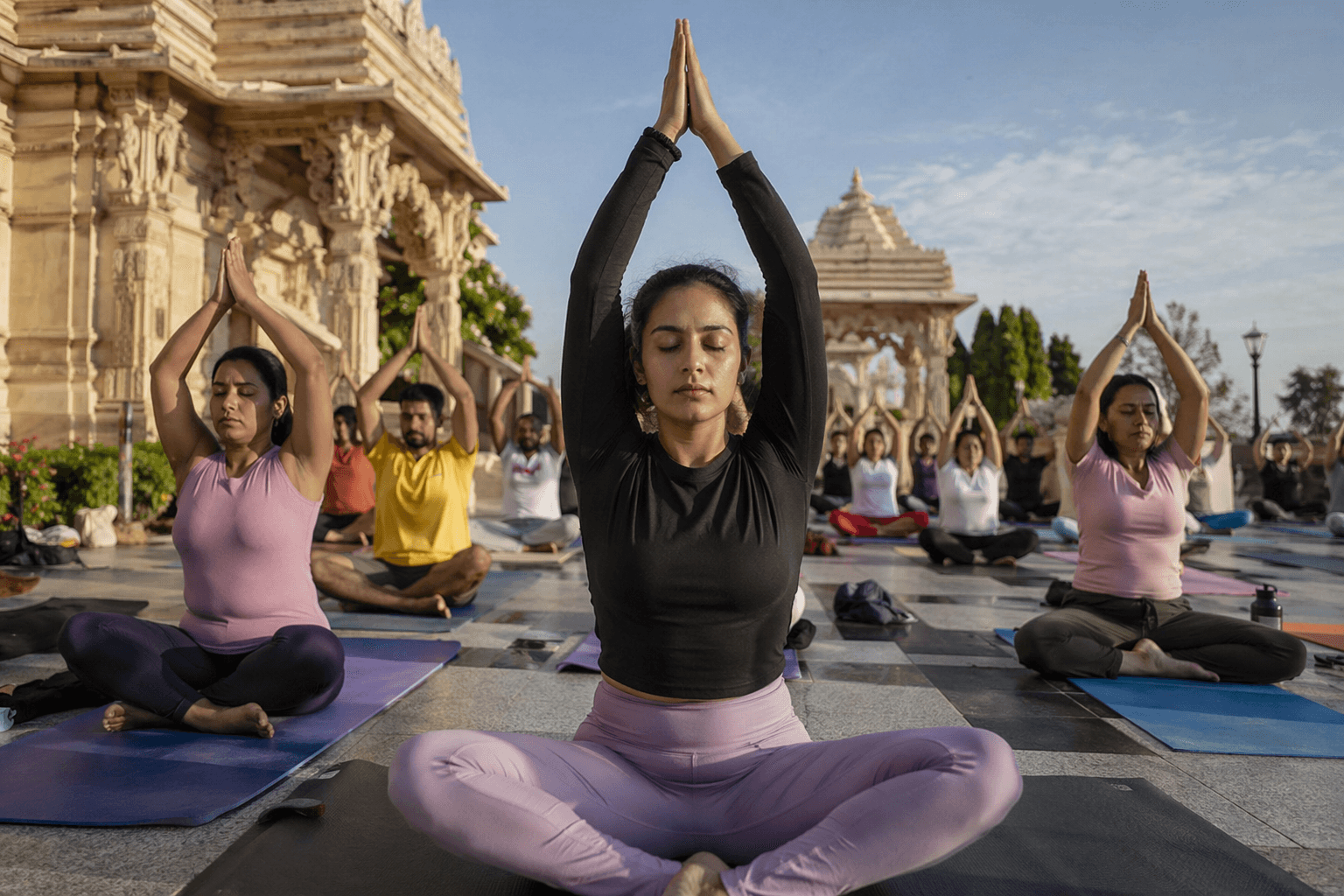
BHU workshop explores pranayama, meditation ahead of Yoga Day 2026
BHU is framing Yoga Day prep as a test of breathwork science, with Kapalabhati, pranayama, Trataka and Preksha Meditation in a 7-day intensive.
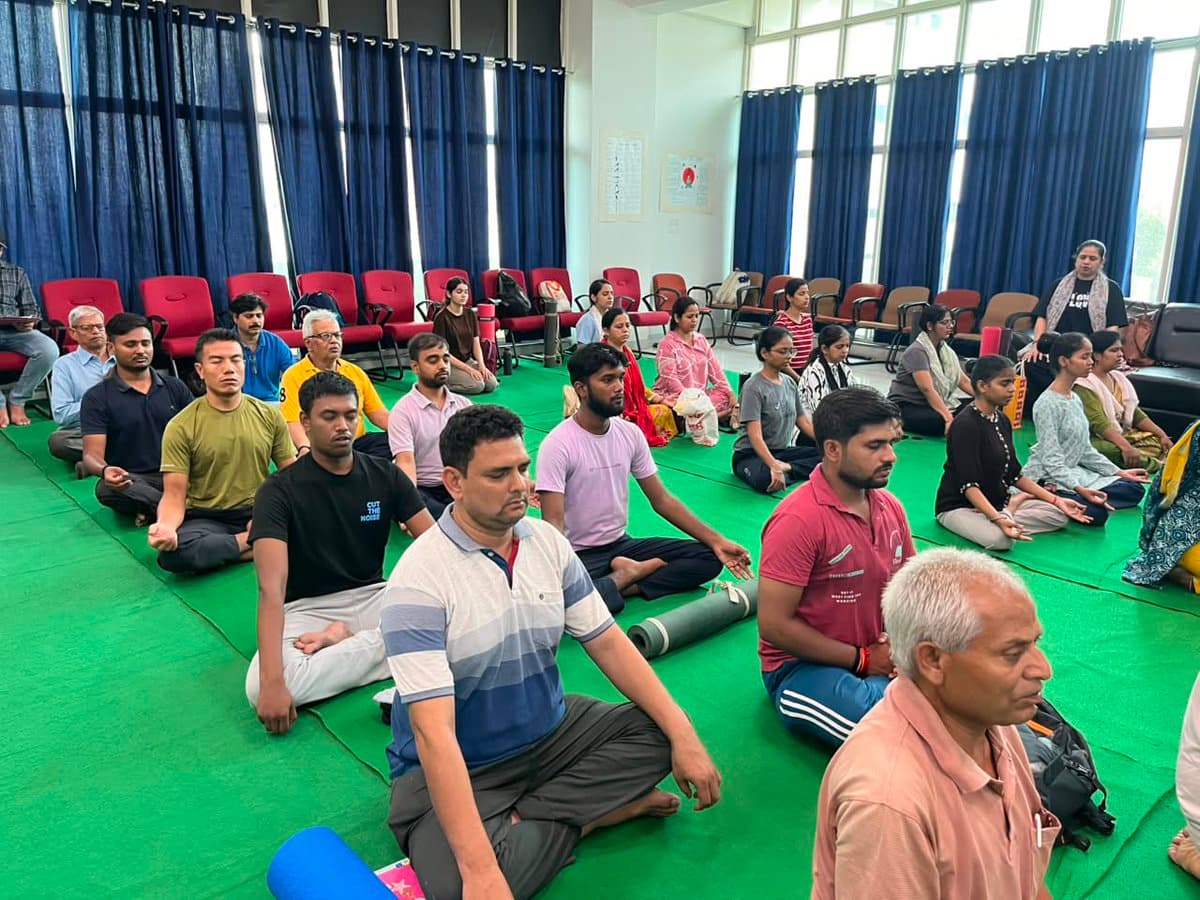
Banaras Hindu University is turning Yoga Day prep into a closer look at what pranayama can actually do. Its Bharat Adhyayan Kendra has opened a 7-day intensive workshop, From Prana to Prajna, that places breathing, concentration, and meditation at the center of the conversation instead of treating them as generic wellness add-ons.
A Yoga Day workshop built around breath, attention, and evidence language
The program runs from June 06 to June 13, 2026, at Bharat Adhyayan Kendra, 4th Floor, Yoga Hall, Banaras Hindu University, Varanasi, Uttar Pradesh, India. Sessions are scheduled daily from 2:00 PM to 4:00 PM, and the workshop is being offered in both online and offline mode. Dr. Geeta Y. Bhatt is coordinating the program, and the contact details listed for participation are seminarbakbhu@gmail.com and +91-8707455236.
What makes the workshop stand out is its framing. BHU is not presenting pranayama only as tradition or only as ritual; it is explicitly packaging the material as the science and spirituality of Pranayama, Trataka, and Preksha Meditation. That matters because the language around yoga programming at universities has shifted in recent years, with more institutions trying to connect classical practices to concentration, stress regulation, and day-to-day mental functioning.
What the workshop is teaching, step by step
The brochure says the workshop begins with Kapalabhati, used here as a preparatory cleansing process. That opening choice is telling, because Kapalabhati is being used as a setup for the rest of the practice sequence rather than as a stand-alone breathing drill. From there, the program moves into classical pranayama, then into Trataka, the fixed-gaze concentration practice, and finally into Preksha Meditation.
The Preksha portion is unusually detailed for a short workshop. BHU has listed modules including Sharira Preksha, Jyoti Kendra Preksha, Chaitanya Kendra Preksha, Leshya Dhyana, and Anupreksha. In practical terms, that means the course is not stopping at breathing technique alone. It is guiding participants through a layered meditative system that starts with bodily awareness and moves toward more structured forms of inward focus and reflective contemplation.
That progression gives the workshop a clear internal logic. Kapalabhati prepares the body, pranayama steadies the breath, Trataka trains attention, and the Preksha modules deepen concentration into meditation. For yoga practitioners, that sequence will feel familiar in spirit, but BHU is presenting it in a way that looks more classroom-ready, with specific modules and a certificate at the end.
What the science claim can reasonably mean
The strongest evidence-forward reading of the workshop is not that one breathing practice solves everything, but that these methods are being positioned as tools for self-regulation. The stated objectives include understanding the scientific and traditional foundations of the practices, improving concentration and emotional balance, reducing stress and mental fatigue, and giving participants practical meditative tools that can fit modern lifestyles.

That is a much more measured claim than the loose “wellness” language often attached to yoga. In plain terms, the workshop is leaning on a claim that many yoga practitioners already recognize: breath discipline and attention training can help people feel less mentally scattered, more centered, and better able to handle pressure. The BHU framing suggests an effort to translate that intuition into language that sounds credible inside a university setting.
The emphasis on both scientific and traditional foundations also reflects a broader trend in yoga education. Rather than asking students to choose between modern validation and classical authority, universities are increasingly presenting practices like pranayama and meditation as belonging to both worlds. That makes the material easier to teach in academic spaces, especially when the audience includes people who want practical benefits without abandoning the cultural roots of the practices.
Why BHU’s Bharat Adhyayan Kendra matters in this picture
This workshop is also part of a larger institutional pattern at Bharat Adhyayan Kendra. BHU lists the center as a place for interdisciplinary study of Indian intellectual traditions, with a mission that bridges ancient and modern knowledge systems. That description fits the current workshop neatly, because From Prana to Prajna is doing exactly that: turning classical yoga methods into organized, teachable, contemporary coursework.
The center is not new to this kind of programming. BHU’s course list includes a 12-day certificate course called Yoga for Self Discipline and Self Awareness, which shows that yoga-related short courses already sit inside the center’s broader academic offering. The venue has also hosted yoga-focused events before, including a one-day international seminar on June 18, 2025, under the banner Yoga for Harmony & Peace / Yoga for One Earth, One Health.
Taken together, those details point to a clear institutional strategy. BHU is building a yoga calendar that links practice, study, and public-facing relevance, with Yoga Day serving as the annual anchor. The current workshop fits that pattern by using pranayama and meditation not as isolated techniques, but as part of a larger attempt to present yoga as disciplined knowledge.
What participants can expect from this format
The workshop’s structure is straightforward, and that is part of its appeal. Participants are getting a defined 7-day sequence, a specific time slot from 2:00 PM to 4:00 PM, and a format that works both online and offline. The brochure also says participants will receive a certificate of participation, which adds a formal academic edge to the program.
For anyone looking at the workshop through a practical lens, the key takeaway is simple: this is not a posture-heavy Yoga Day preview. It is a concentrated training block built around breath, gaze, and meditation, with Kapalabhati setting the tone and Preksha Meditation carrying the work into subtler mental training. That is what makes From Prana to Prajna feel relevant beyond the week itself, because BHU is asking whether pranayama can be taught not just as tradition, but as a usable method for steadier attention and calmer living.
This article was produced by Prism’s automated news system from verified source data, official records, and press releases, then run through automated quality and moderation checks before publishing. The system is built and supervised by the people who set the standards it runs under. Read our full AI policy.
Did this article answer your question?