How mat Pilates transformed one yogi’s core and practice
A London move and one reluctant mat Pilates class changed how one yogi braces, breathes, and balances. The crossover works best for students stuck in core or habit.
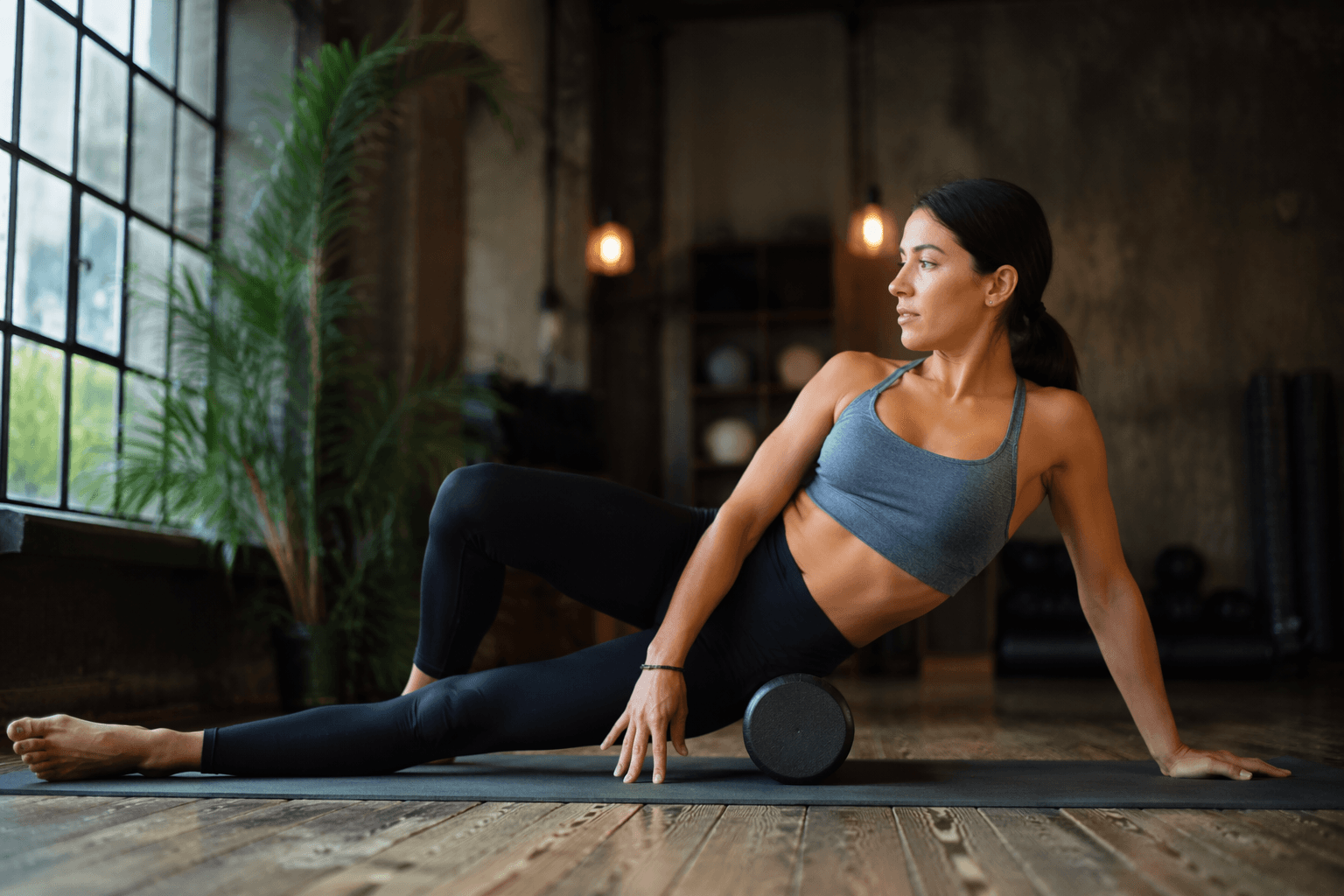
A reluctant mat Pilates class can do more than add variety to your week. In this case, it sharpened one yogi’s core, loosened her attachment to breath rules, and made familiar poses feel more connected from the inside out.
Why the crossover clicked
The shift started in a very ordinary way: a move to London, more walking than usual, and the realization that many nearby yoga studios also offered mat Pilates. After years of resisting it, the appeal of trying something new, plus the simple comfort of lying down for class, finally won. What began as a one-off experiment turned into a weekly habit, and the effects showed up not just in how the body felt, but in how movement was approached.
That is what makes this crossover useful for yoga practitioners. Pilates did not replace yoga here. It filled in some gaps, especially in the places where many of us drift on autopilot: the deep midline, the timing of effort, and the habit of following familiar cues without questioning them.
What core control changed first
The most obvious change was core engagement. Pilates brought the belly, lower back, and hips into shapes that had previously been carried more passively, and that changed the feel of poses like Plank, Chaturanga, Mountain Pose, and Triangle. Instead of simply holding those positions, the body started to organize around them with more precision and less collapse.
That matches how Pilates is described in recent exercise research: as a low-impact method focused on core strength, flexibility, and body awareness, with posture often improved as a result. For yoga students, that matters because core control is not just about abdominal strength. It affects how the ribs stack over the pelvis, how the lower back shares load, and how steady you feel when you transition between standing, balancing, and floor work.
If your Plank sags, your Chaturanga dumps into the shoulders, or your standing poses feel loose around the waist, Pilates can give you a cleaner internal map. The point is not to make yoga more rigid. It is to make it more integrated.
Why the breath work felt so freeing
The second shift was mental. Pilates cues asked for breathing patterns that did not always match the yoga rules the writer had internalized over years, including moments where she inhaled when she expected to exhale and exhaled where she expected to inhale. Instead of feeling wrong, that mismatch became a lesson in flexibility.
That is a powerful crossover for yoga students who have become overly attached to one correct way of breathing. In yoga, breath is often linked to awareness, pacing, and concentration. Pilates adds another layer: breath as a tool for stability, sequencing, and support. The result is not confusion for its own sake, but a wider range of options inside movement.
Public-health sources from the National Center for Complementary and Integrative Health note that yoga research has suggested possible benefits for stress management, mental and emotional health, sleep, balance, and some pain conditions. Pilates research, meanwhile, emphasizes posture, breathing, body awareness, and controlled movement. Put together, they create a broader movement education: one practice can help you relax into awareness, while the other can help you refine how that awareness is organized in the body.
Where Pilates came from, and why that matters now
Pilates also brings a different lineage into the studio. Joseph Pilates introduced his corrective-exercise system to the American market in the late 1920s, and he later laid out the method in *Your Health* in 1934 and *Return to Life Through Contrology* in 1945, where he presented 34 exercises. That history helps explain why mat Pilates feels so deliberately structured.
Yoga and Pilates are often paired because they complement each other, not because they are the same thing. Yoga is rooted in centuries-old spiritual and contemplative traditions, while Pilates is more directly associated with conditioning and rehabilitation. That difference is part of the appeal. If yoga gives you spaciousness, Pilates can give you precision. If yoga helps you soften, Pilates can help you organize.
For many practitioners, that combination is exactly what keeps practice from going stale.
Who stands to benefit most from adding Pilates
If your yoga practice already feels strong and settled, Pilates may still deepen it. But the crossover is especially useful if you fall into one of a few common patterns:
- You move through Plank, Chaturanga, or standing poses on habit, not on felt support.
- You tend to over-rely on flexibility and underuse the center of the body.
- You get stuck in one breathing pattern and feel unsettled when a teacher cues something different.
- You want a beginner’s mindset again, something unfamiliar enough to keep you alert.
- You are trying to cross-train without leaving the studio ecosystem you already trust.
That last point is important. A comparative study found that Pilates and yoga group-exercise interventions could both be safe and equally effective for reducing pain and disability in people with mild-to-moderate chronic neck pain. That does not make every class interchangeable, but it does show that the two methods can live side by side in a practical, body-friendly way.
The beginner’s mindset may be the most underappreciated benefit of all. When a Pilates teacher keeps cueing the next thing you cannot predict, there is no room to coast. You have to stay present, and that same alertness carries back into yoga, where movement can start to feel less like a script and more like an ongoing conversation between breath, core, and balance.
How to use Pilates to strengthen your yoga
The easiest way to test the crossover is to keep it simple and specific. One weekly mat Pilates class is enough to show you whether your center, breath, and posture respond differently.
- Plank and Chaturanga, where core support should feel organized rather than rushed.
- Mountain Pose, where the midline can either stack cleanly or drift.
- Triangle, where the hips and rib cage can work together instead of splitting apart.
Start by paying attention to the poses that reveal your habits:
Then notice what changes after class. Do your transitions feel steadier? Does your lower back feel less like the boss of every pose? Do you breathe with more choice and less reflex? Those are the signs that Pilates is not just another workout, but a useful correction to how you move.
That is the real lesson from this London experiment. A single reluctant class, picked almost out of convenience, can change the way you stand in Mountain, lower in Chaturanga, and think about breath itself. If your practice has begun to feel too familiar, a mat Pilates class may be exactly the reset that brings it back to life.
This article was produced by Prism’s automated news system from verified source data, official records, and press releases, then run through automated quality and moderation checks before publishing. The system is built and supervised by the people who set the standards it runs under. Read our full AI policy.
Did this article answer your question?