How to choose the right yoga style to avoid injuries
As Yoga Day nears, the smartest beginner move is picking the right style: Hatha, Iyengar or Vinyasa can each protect a different body.

As International Day of Yoga approaches, the first safety decision is not how deep you can fold or how long you can hold a pose. It is choosing a style that matches your body, your energy, and your history of injuries, because the wrong class can leave beginners with muscle strain, lingering soreness or a night of bad sleep.
Why this moment is bigger than one class
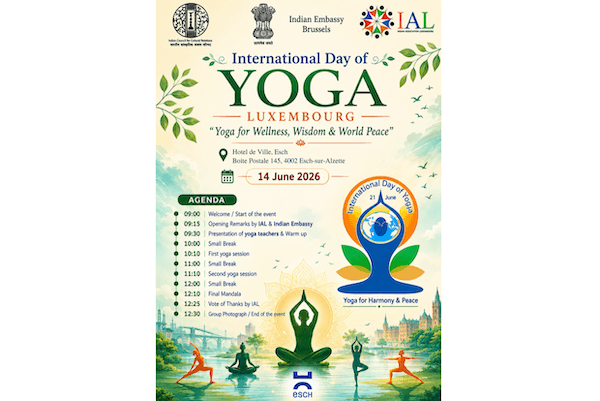
The calendar around June 21 carries real weight in yoga culture. The United Nations proclaimed June 21 as the International Day of Yoga on December 11, 2014, through resolution 69/131, after India’s proposal was endorsed by a record 175 member states. The date lands on the summer solstice, and in 2026 the main celebration is set for Kolkata, West Bengal, with the theme “Yoga for Healthy Ageing.”
India’s Ministry of Ayush has also released a multilingual IDY 2026 handbook for organizers, institutions, government agencies and community groups. That matters because it shows the observance is not just a symbolic annual nod, but a coordinated public push to make yoga more visible, more organized and, ideally, safer for first-timers who are walking into classes with very different needs.
Start with the style that fits your body
Hatha is often the easiest entry point if you want a steadier pace and clearer cueing. It gives you time to learn where your feet, ribs and shoulders are supposed to go without feeling rushed, which can help if you are nervous about injury or do not want a workout that leaves you overcaffeinated for the rest of the day.
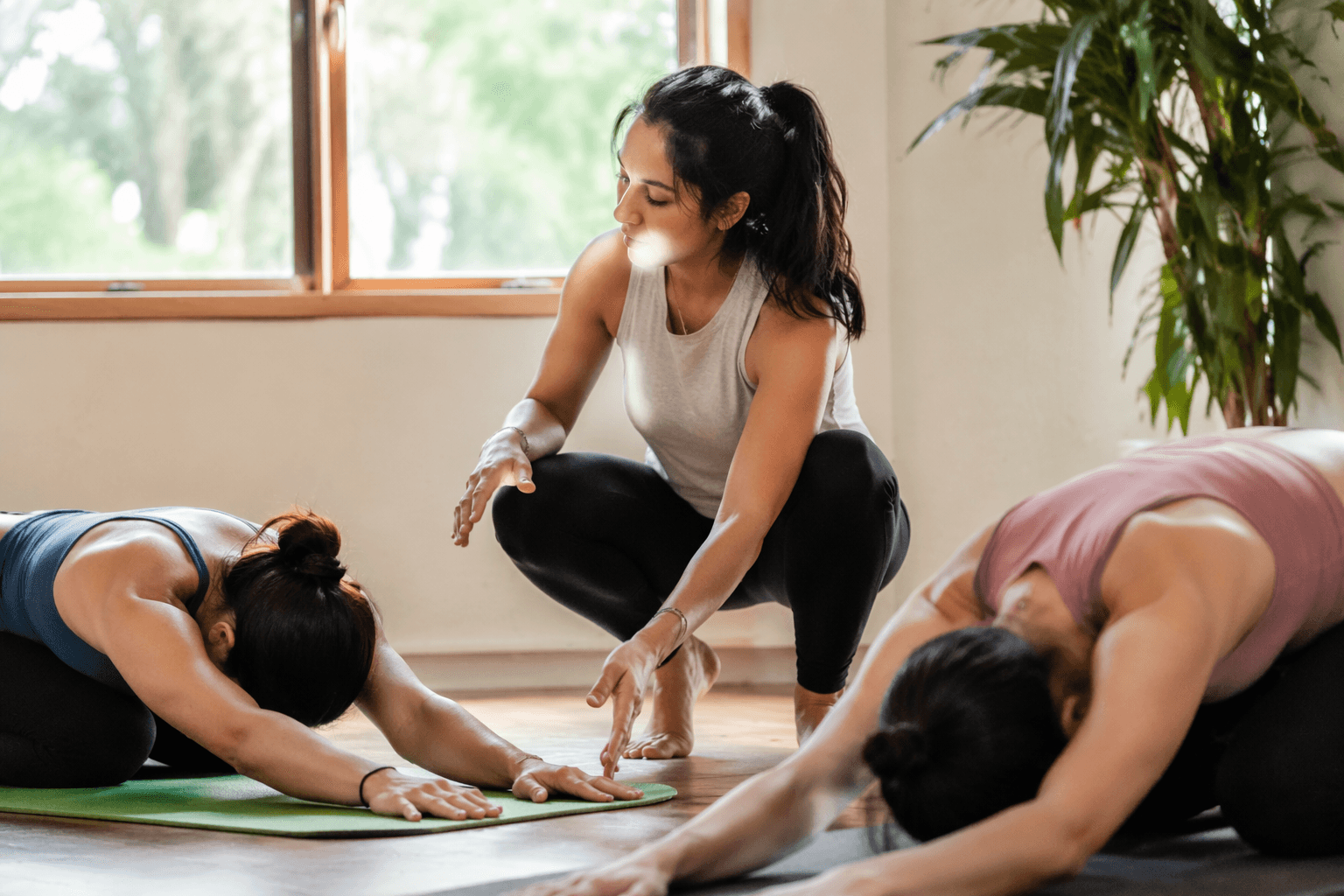
Iyengar is the style to look for when precision matters most. It leans heavily on alignment and often uses props, so it can be a smart choice if you want extra support, need more exact instruction, or are working around stiffness, recovery, or a body that does not love improvisation. For many beginners, that structure is the difference between feeling held and feeling thrown into the room.
Vinyasa is different again. The NHS describes vinyasa flow as a style that strongly emphasizes connecting breath with yoga poses, so the practice can feel fluid, athletic and continuous. That rhythm is appealing if you want movement and heat, but it is also the style most likely to feel too fast, too stimulating or too intense if you are brand new, especially if your goal is a calmer evening rather than a second wind.
When the safer choice is a modified practice
If you are dealing with an injury, disability or chronic symptoms, the right answer may not be a standard studio class at all. Experts commonly advise checking in with a care team before starting yoga in those situations, and gentler or modified formats such as adaptive, chair and Kripalu-style practices are often recommended.
That guidance is not just caution for caution’s sake. Harvard Health says yoga can help support low back pain by strengthening the muscles that stabilize the spine, which is a reminder that yoga can be therapeutic when the style and the dosage fit the person. The goal is support, not strain, and the best class is the one that leaves your body calmer and more functional afterward.
Red flags worth taking seriously
The biggest warning signs are not always dramatic. A class can be risky if the teacher pushes everyone into the same shape, offers no real modifications, or seems uninterested in what your back, knees or shoulders can and cannot do. If you are new and the room feels more like a drill than a practice, that is your cue to slow down.
Mayo Clinic has warned that some yoga exercises involving spinal flexion, extension and torsion may be of concern for people at increased fracture risk, especially older adults and people with osteoporosis. In a Mayo Clinic-cited study, 33 consecutive patients reported back pain that began after yoga exercise, and vertebral compression fractures in that series appeared one to 72 months after yoga initiation. That does not mean yoga is off-limits for everyone, but it does mean deep backbends, strong twisting and repeated folding should never be treated as harmless by default.
Sleep disruption is another signal that the style is wrong for the moment. A fast, breath-heavy flow late in the day can leave some beginners wired instead of settled, while a slower Hatha class or a more structured Iyengar session is more likely to support a wind-down. If your practice keeps you awake rather than helping you land, the class is doing too much for where you are right now.
A quick way to choose before you walk in
- Pick Hatha if you want a slower first class and less stimulation.
- Pick Iyengar if you want alignment, props and more exact instruction.
- Pick Vinyasa if you want continuous flow and breath-linked movement, and you are ready for a quicker pace.
- Pick adaptive, chair or Kripalu-style practice if injury, disability or chronic symptoms mean you need modifications.
- Ask for a qualified instructor if you have osteoporosis, a fracture history, recent pain or any condition that changes how your spine, joints or balance behave.
The cleanest takeaway for Yoga Day is simple: the right style makes yoga more accessible, not less serious. A beginner who chooses carefully is not avoiding the real practice, but stepping into it with better odds of feeling better the next day, and sleeping through the night instead of replaying class in aching muscles.
This article was produced by Prism’s automated news system from verified source data, official records, and press releases, then run through automated quality and moderation checks before publishing. The system is built and supervised by the people who set the standards it runs under. Read our full AI policy.
Know something we missed? Have a correction or additional information?
Submit a Tip