How to Choose Your First Yoga Mat: Materials, Thickness, and Grip
Picking the wrong mat thickness causes knee pain; the wrong surface causes slipping. Three specs settle both problems before you unroll a single sun salutation.

Before scrolling product pages or asking what your favorite instructor uses, three questions will narrow your choice to the right mat in under a minute.
Pick Your Mat in 30 Seconds
- Are you sweating through class? Hot yoga and power vinyasa generate enough moisture to turn the wrong mat into a slip hazard. You need an open-cell surface that absorbs sweat, or a closed-cell mat paired with a microfiber towel on top.
- Do your knees or wrists bother you on the floor? A standard 3–4 mm mat won't cut it. You need 5–6 mm of cushioning, and that single number matters more than brand.
- Is this going in a carry-on? A dedicated travel mat runs 1.5–2 mm thick and should weigh under 2 lbs. Everything else is a tradeoff between portability and comfort.
If none of those situations apply, the answer is almost always the same: a standard 3–4 mm mat with good traction and clear material labeling. That covers most studio classes, most body types, and most budgets.
The Three Mistakes Beginners Make First
Slipping, knee pain, and odor are not bad luck; they are predictable, spec-driven outcomes. Understanding why they happen stops you from buying the wrong mat twice.
Slipping comes down to one distinction most beginners never hear before their first purchase: open-cell versus closed-cell construction. Open-cell mats, such as the Manduka Eko and Jade Harmony, are porous. They absorb sweat, which actually improves their grip the wetter they get, making them the go-to choice for heated classes. Closed-cell mats, including most basic PVC studio loaners, are non-absorbent. Their surfaces become slippery the moment sweat pools. If your class runs hot and your mat is closed-cell, a yoga towel laid on top solves the problem immediately. Surface texture also plays a role: patterned or suction-style surfaces improve traction during the fast transitions of a flow sequence, where hands and feet shift position repeatedly.
Knee and wrist pain in new practitioners is almost always a thickness call made too quickly. The 3–4 mm standard range is designed for balance-focused practice and arm work, where feeling the floor beneath you actually stabilizes the pose. When your knees make repeated contact during lunges, cat-cow, or child's pose, a 5–6 mm mat changes the experience entirely. The tradeoff: extra thickness compresses underfoot in standing poses, which can subtly undermine balance. Know whether your priority is joint protection or proprioceptive feedback before you commit.
Odor is the problem no one mentions in reviews until they are living with it. Open-cell mats absorb moisture and bacteria alongside sweat, meaning a quick spray-and-wipe isn't enough. They need a proper warm soap-and-water rinse to reset. Closed-cell mats are far easier to maintain with a spray bottle and cloth. For both types, avoid leaving your mat in direct sunlight, which degrades rubber and TPE materials faster than almost anything else. Store it rolled with the practice side facing out so the surface doesn't press against itself and accelerate curling.
Material: What Your Mat Is Actually Made Of
The four materials dominating the market each make a distinct set of tradeoffs, and "eco-friendly" without a specific material name on the label is marketing, not information.
- PVC: The most durable and highest-performing in raw grip terms, and the most affordable entry point. Not biodegradable, not eco-conscious. If you're buying a first mat and sustainability isn't a deciding factor, PVC is a serviceable choice.
- Natural rubber: Excellent grip, biodegradable, and the material of choice for practitioners who want both performance and environmental credibility. It runs heavier than synthetics, and it is a firm no for anyone with a latex allergy.
- TPE or hybrid blends: Thermoplastic elastomer mats are lighter than rubber, typically lower in VOCs, and easier to carry to class. Performance is solid across the board, though premium traction is generally sacrificed for portability.
- Cork or jute overlays: These natural-fiber surfaces create friction through texture rather than tack. Cork is naturally antimicrobial, which is a direct answer to the odor problem, and pairs well with a rubber or TPE base for cushioning. Jute offers a similar textured approach with a more organic feel underfoot.
If sustainability is a priority, look for certified natural rubber or products that name recycled materials explicitly. The specification matters more than the marketing language.
Thickness: The Number That Decides Your Practice
Yoga mat thickness follows a clean three-tier breakdown:
- 1.5–2 mm: Travel mats. Foldable, rollable, and packable in carry-on luggage. Most quality travel mats land around 2 lbs. These are not built for daily practice on a hard floor; they prioritize packing space over cushioning.
- 3–4 mm: The standard range for most vinyasa, power flow, and general studio classes. Provides enough cushioning for dynamic movement while maintaining the floor connection that balance and arm balance work depends on.
- 5–6 mm: Extra cushioning for restorative yoga, yin practice, and anyone with joint sensitivities. Thicker mats perform particularly well on hardwood or tile floors, where the surface underneath adds nothing.
One practical note: on carpet, a thinner mat often performs fine because the floor itself provides give. On hard surfaces, the 3–4 mm range is the minimum, not the default.
Size: Longer and Wider Than You Expect
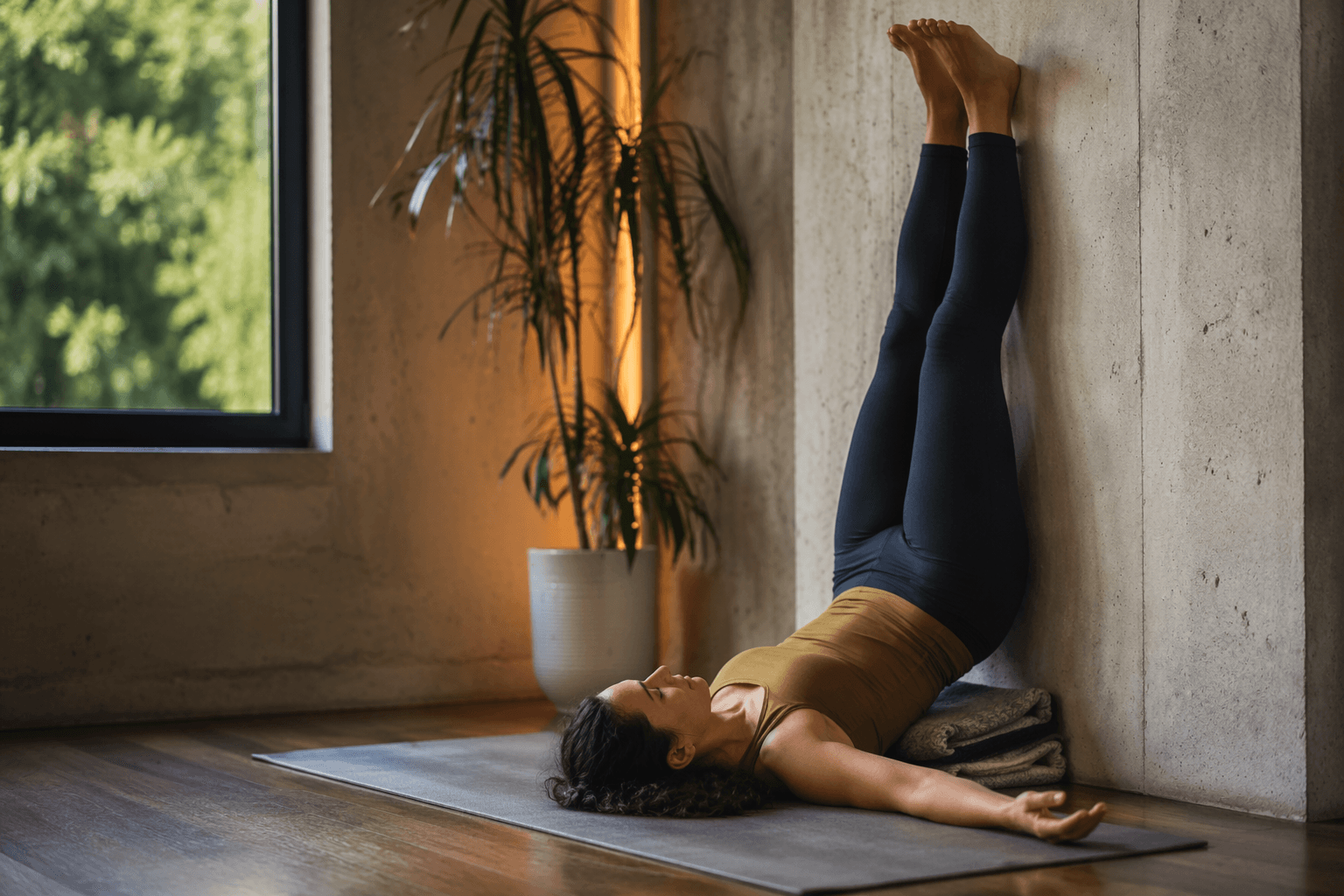
Standard mats run 68–72 inches long, which works for most practitioners. If you're taller, the 74–85 inch range ensures your feet stay on the mat in savasana. Width is where beginners consistently underestimate their needs: standard mats are typically around 24 inches wide, but options at 26–30 inches give you real lateral room during wide-legged standing poses and side-body stretches. It is a modest upgrade that makes a noticeable physical difference, especially in crowded studios.
Your Mat by Practice Style
Rather than a ranked product list, here is what each practice style actually requires:
- Vinyasa / Power Flow: 3–4 mm, strong grip, open-cell surface preferred for any class that runs warm.
- Hot Yoga: Open-cell mat or closed-cell paired with a microfiber towel. Non-negotiable.
- Restorative / Yin: 5–6 mm, cushioning over traction.
- Travel / Retreats: 1.5–2 mm, foldable or rollable, under 2 lbs. Accept the comfort tradeoff.
- Home Practice (mixed styles): A 4 mm mat with clearly labeled materials covers most situations without over-committing to any single format.
Care, Buying Smart, and Making It Last
A mat that smells or degrades within a year is almost always a maintenance issue. Clean with water and mild detergent, never harsh chemicals. Air dry completely before rolling. Roll practice-side out; rolling it inward traps the surface against itself and accelerates curling.
When evaluating where to buy, read the return policy before anything else. Reputable brands typically include a break-in period in their warranty because many mats, particularly natural rubber, start stiff and need several sessions before their grip and texture settle. A brand that doesn't acknowledge break-in time is a yellow flag. Testing in-store, where you can feel the grip and press on the cushioning yourself, remains the single most reliable quality check before committing.
The right mat protects your joints, holds your grip under sweat, and travels without adding weight you don't have. For most beginners, matching those three variables to how you actually practice is the whole decision.
This article was produced by Prism’s automated news system from verified source data, official records, and press releases, then run through automated quality and moderation checks before publishing. The system is built and supervised by the people who set the standards it runs under. Read our full AI policy.
Did this article answer your question?