I Tried Floating in a Sensory Deprivation Tank and Reflected
I tried floating in a sensory-deprivation tank and moved from panic to deep relaxation; practical tips, prices, and a study on anxiety suggest it's worth trying for some practitioners.
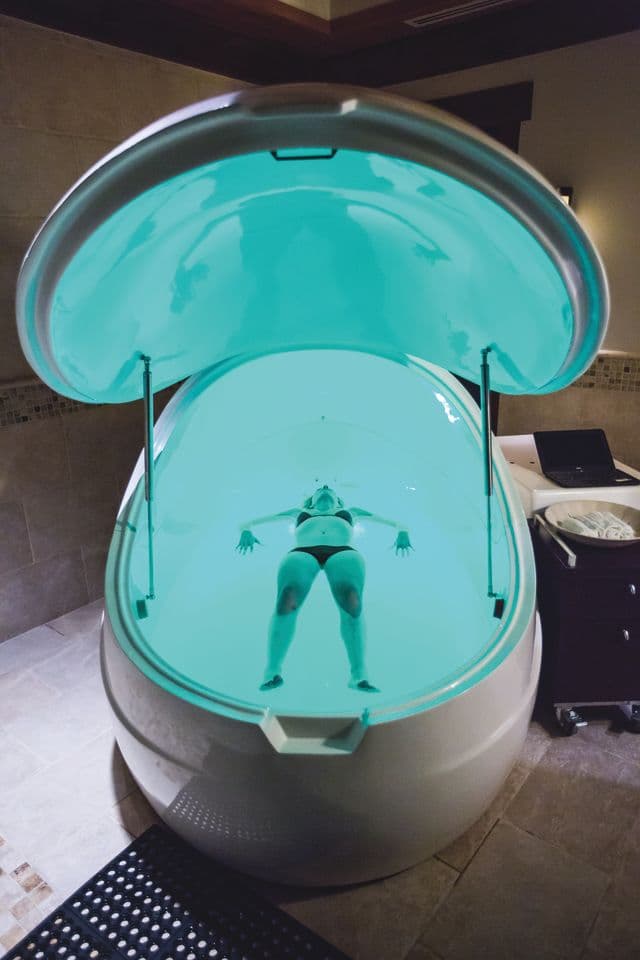
I went into a float wanting spa‑ish mindfulness and a break from the usual asana-and-pranayama routine. The idea of submerging in super salty, near‑silent water appealed as a crossover of "fancy spa sessions" and "woo‑woo" wellness. What followed was a short bout of panic and then a slow, unmistakable unwind that left me thinking about how floatation could fit into a yoga practice and recovery plan.
Floatation therapy goes by many names - float tank, sensory‑deprivation tank, isolation tank, floatarium - and has a quirky origin story. The tanks were invented in 1954 by a so‑called "consciousness researcher" named John C. Lilly, whose odd adventures include attempts to teach dolphins English and a vintage movie poster line that reads: UNWITTINGLY, HE TRAINED A DOLPHIN TO KILL THE PRESIDENT OF THE UNITED STATES. That cultural baggage makes the modern float scene part science, part spectacle.
Practical prep is straightforward and worth following. A pre‑soak rinse is required; I waited seven minutes for the shower water to become remotely warm while my float time ticked away. Thesorrygirls’ checklist is useful: "Step 1: Go to the loo!"; "Step 2: Get naked!"; "Step 3: Rinse off!"; "Step 4: Earplug‑it‑up!"; "Step 5: Hop in!" Staff make nudity comfortable and often provide earplugs to keep salty water out and heighten the sensory‑reduction.
The tanks themselves are shallow and intensely buoyant. There is only about one foot of water, and the air, water, and your body are all supposed to be the same temperature. The tub I used reportedly contained "1000 pounds" of Epsom salt and felt roughly around 93 degrees Fahrenheit, though I wished it warmer. Darkness and near silence are immediate; as Men’s Health put it, "The sheer magnitude of the darkness and silence was jarring." I panicked at first - "I panicked. I thought I had made a huge mistake." But after a few minutes the shoulders loosened, breathing deepened, thoughts stopped racing, and "I was relaxed. And it felt AMAZING."
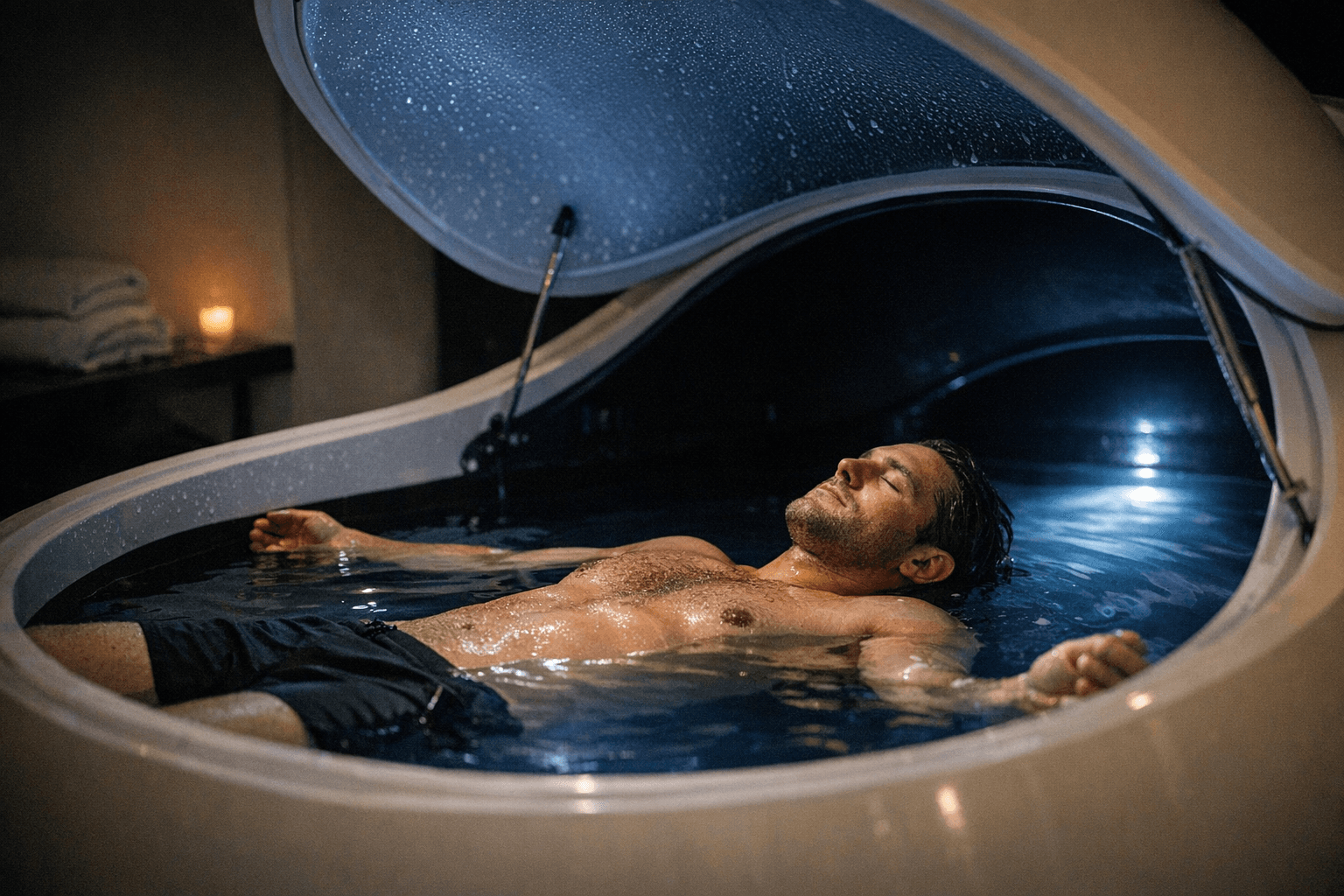
Sanitation claims vary. Thesorrygirls reports that facilities filter the water, use UV light, and rely on Epsom salt like a pool rather than a bathtub. A staff member assured me that "there are practices that keep the 11‑year‑old salt water sterile," a claim I could not verify on the spot and one I met with skepticism. Session lengths and pricing differ too: a check‑in employee said "standard sessions run 90 minutes" and "you can safely stay in the tub for as long as you'd like," while other sources frame floats as one hour or 1‑2 hours. At one facility the price was $69 before tax, about $80 after tax, with package discounts that can cut the per‑float cost by nearly half.
Therapeutic claims range from faster recovery of a neck strain to longer‑term reductions in baseline stress. Minihabits cited a study finding that 12 sessions produced full remission in 37% of people with Generalized Anxiety Disorder and that remission persisted at six months; the post did not supply the study details, so verify the research before treating it as conclusive. Outsideonline called the tank "forced meditation" and noted there is evidence that meditation can help stress, anxiety, and cognitive decline.
For yoga practitioners, floating can be a potently restorative adjunct: it simulates a zero‑gravity savasana, favors somatic awareness, and can deepen breath work once initial disorientation passes. Verify sanitation protocols, ask about exact session lengths and temperatures, and consider package pricing if you plan regular visits. If you struggle with anxiety, chronic tension, or injury recovery, floating is worth trying alongside your existing practice; bring patience for the first ten minutes, and let the quiet do the rest. Photo credits: Calin Van Paris/Canva; Blair Braverman.
This article was produced by Prism’s automated news system from verified source data, official records, and press releases, then run through automated quality and moderation checks before publishing. The system is built and supervised by the people who set the standards it runs under. Read our full AI policy.
Did this article answer your question?