India launches Yoga Park Portal to turn parks into wellness hubs
India’s new Yoga Park Portal puts parks, not studios, at the center of community yoga, with a key caveat: listing a site does not transfer any scheme rights.
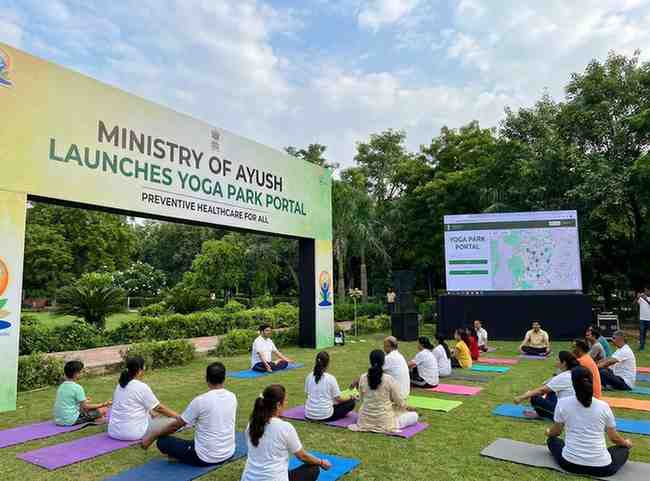
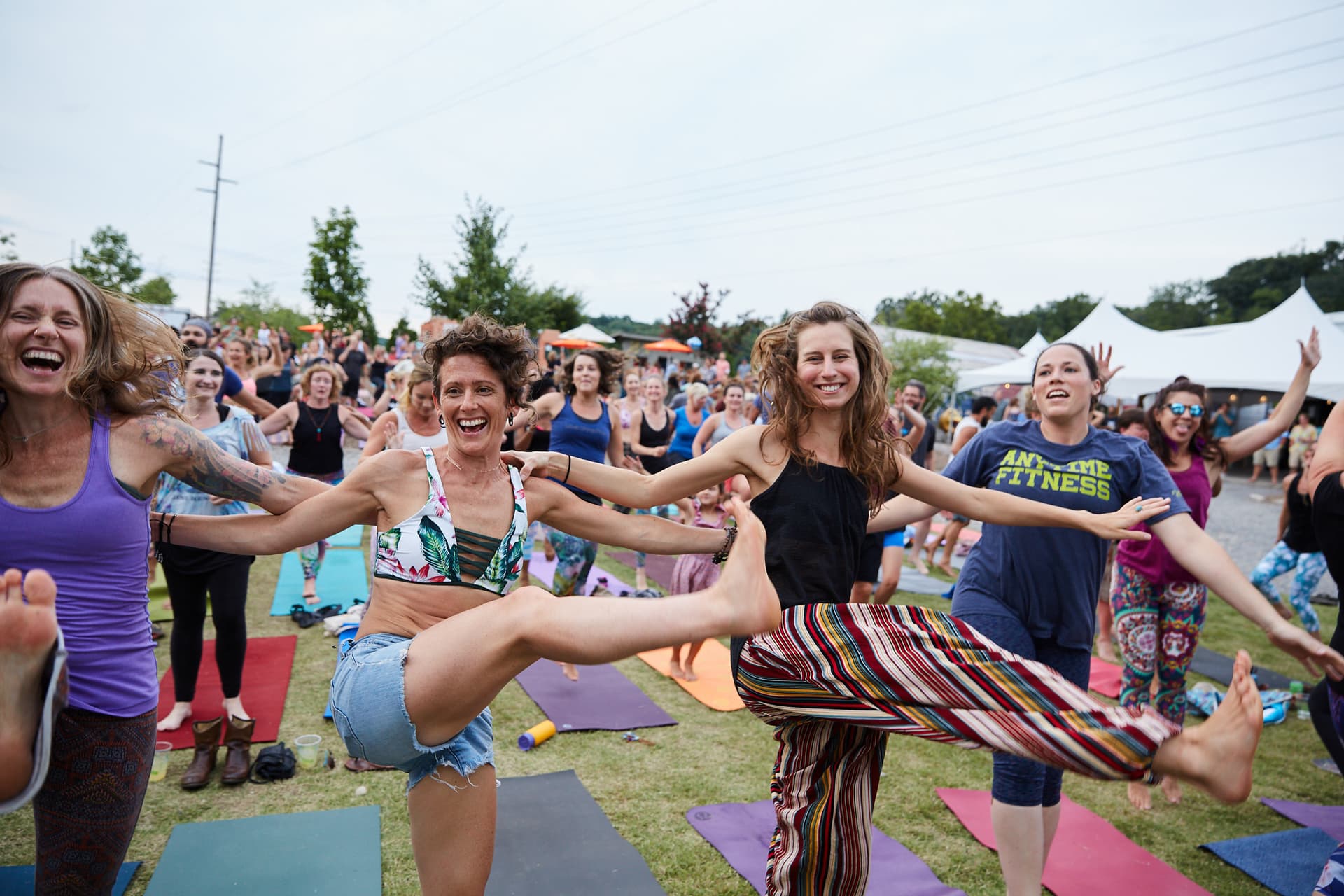
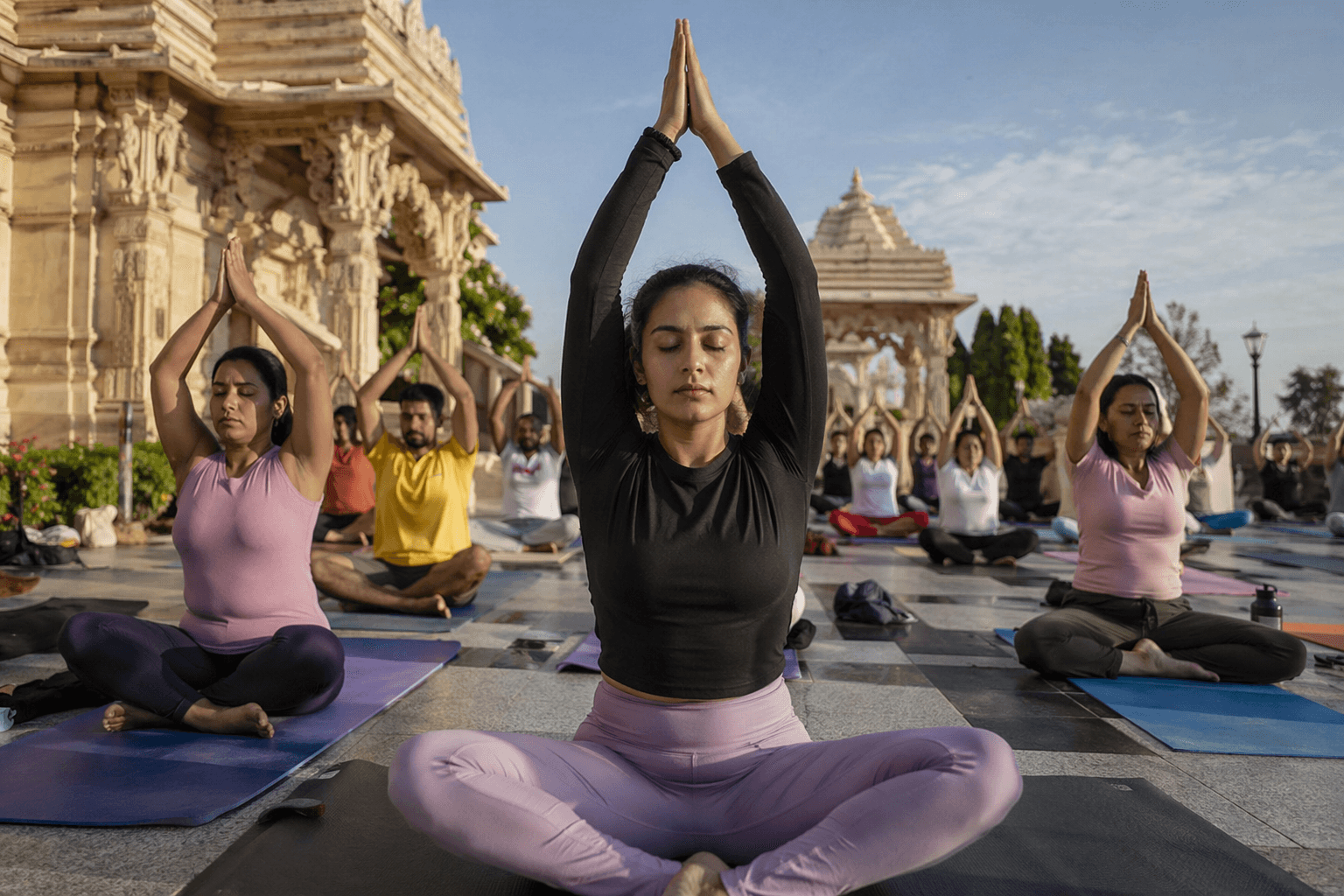
A neighborhood park can now be more than a morning walk route. The Ministry of Ayush has launched the Yoga Park Portal to help turn public parks into community wellness hubs, with space for meditation zones, yoga platforms and open-air group classes that can serve people of all ages.
The portal is being positioned as a flagship International Day of Yoga initiative, but its pitch goes beyond one annual celebration. It is meant to make yoga, meditation, preventive healthcare and sustainable living part of the public landscape, especially in places where a studio membership is a barrier. The idea is simple enough for local governments and yoga groups to act on quickly: identify a park, adapt the space and use the portal to coordinate the people who will keep it active.
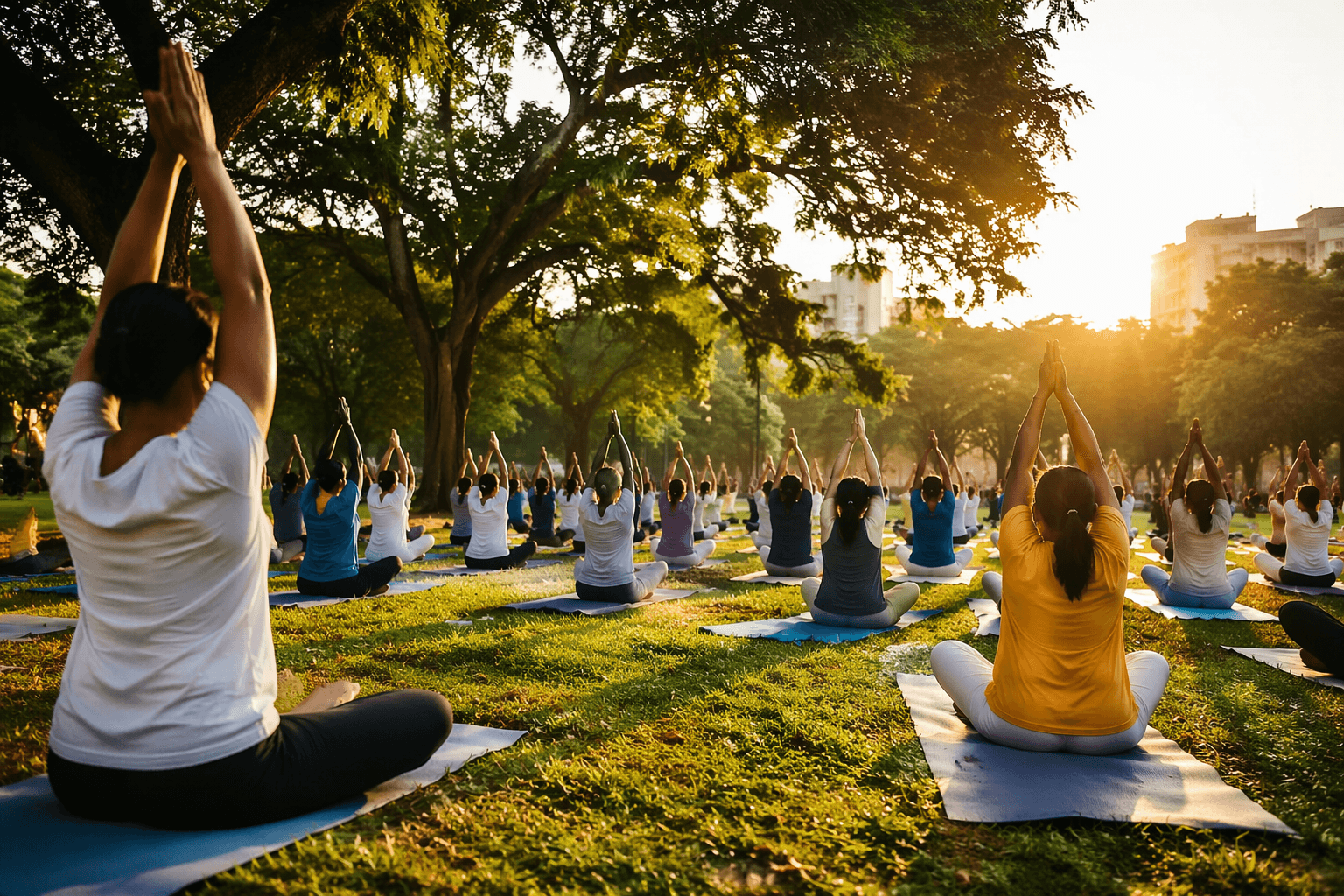
The registration model is built for that kind of collaboration. Government bodies, non-governmental organizations, corporations, Panchayati Raj institutions, urban local bodies and Resident Welfare Associations are all part of the framework, and companies can use CSR funding to help build and maintain the spaces. That matters because it points to something more durable than a one-off yoga day event. It is an attempt to create repeat-use neighborhood infrastructure where free or low-cost classes can happen regularly, without the overhead of a private studio.
The portal also draws a clear line on responsibility. Its registration page says listing or adopting a Yoga Park does not confer any right to avail the scheme, and that accuracy of details and upkeep remain the responsibility of the park owners or partners. In practice, that means the platform is an enabling tool, not a transfer of control or a funding promise. For communities hoping to start a park-based class series, that distinction is crucial.
The launch fits into a broader institutional push that has been building for years. The Ministry of Ayush was established on November 9, 2014, after evolving from the Department of ISM&H, created in 1995 and renamed in 2003. It also comes as International Day of Yoga 2026 takes shape, with the main celebration set for Kolkata, West Bengal, on June 21 under the theme Yoga for Healthy Ageing. The ministry has already convened an inter-ministerial committee to coordinate the event, and its multilingual IDY 2026 handbook includes Yoga Sangam, Harit Yoga, Yoga Samavesh, Yoga Park and Yoga Unplugged as signature programmes.

For yoga teachers, resident groups and municipal officials, the practical value is immediate: a way to map a park, rally partners and keep classes going after the cameras leave. That is what makes this launch different from a ceremonial rollout. It is an effort to make the ordinary park down the street feel like a standing invitation to practice.
This article was produced by Prism’s automated news system from verified source data, official records, and press releases, then run through automated quality and moderation checks before publishing. The system is built and supervised by the people who set the standards it runs under. Read our full AI policy.
Did this article answer your question?