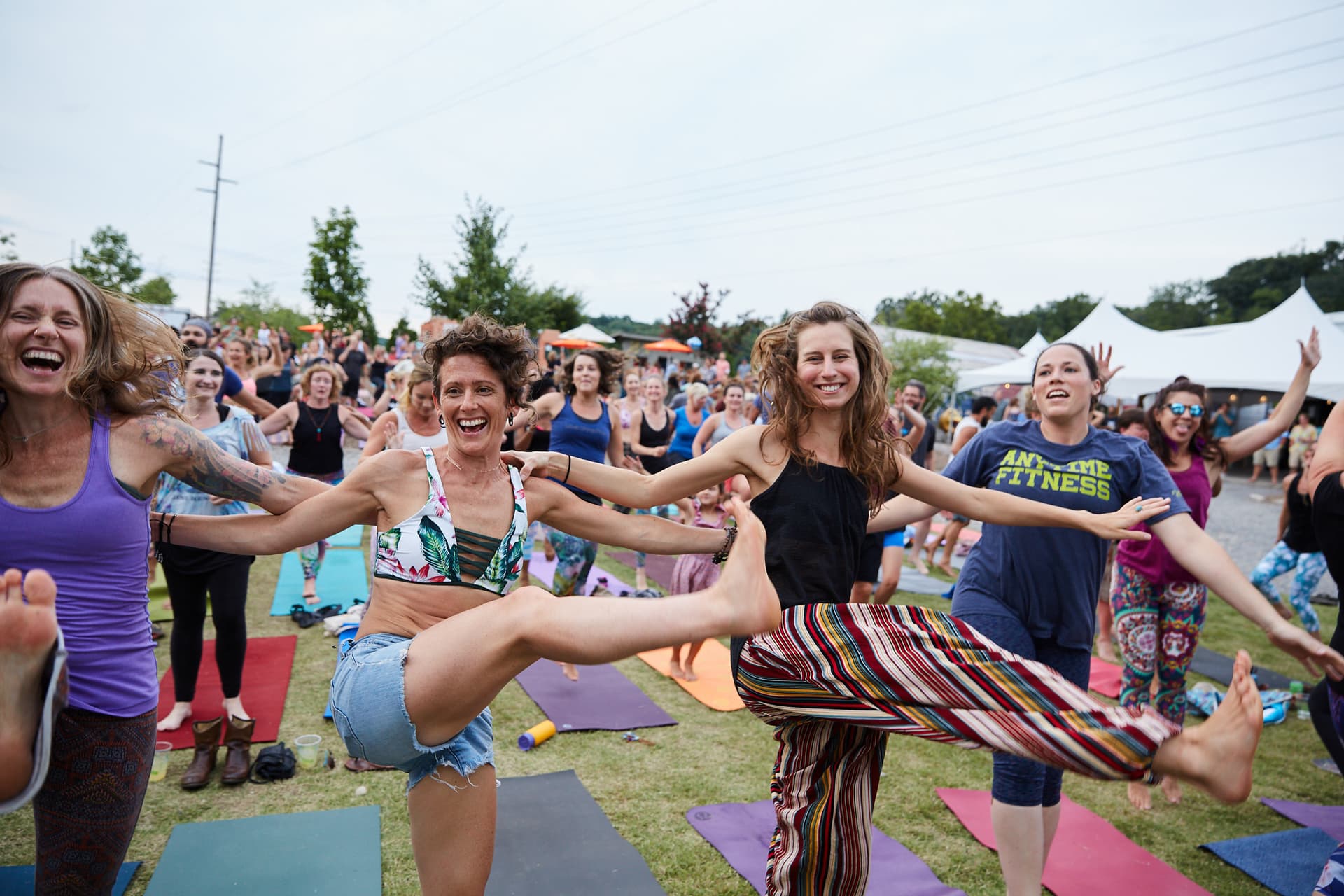
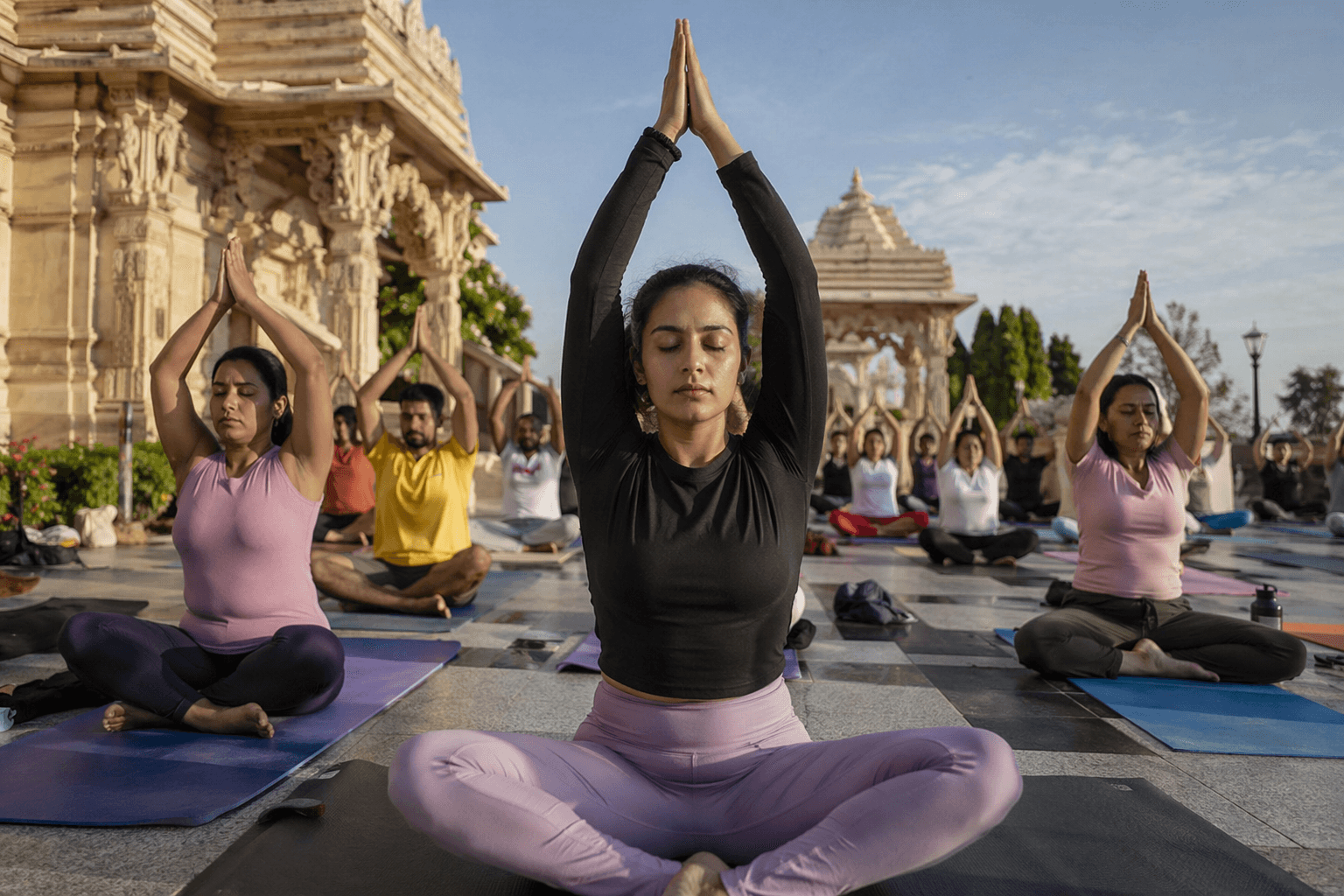
Insta yoga rises as digital platforms reshape traditional practice
Short reels and YouTube flows made yoga easier to find, but the real test is whether speed, alignment and teacher feedback survive the scroll.
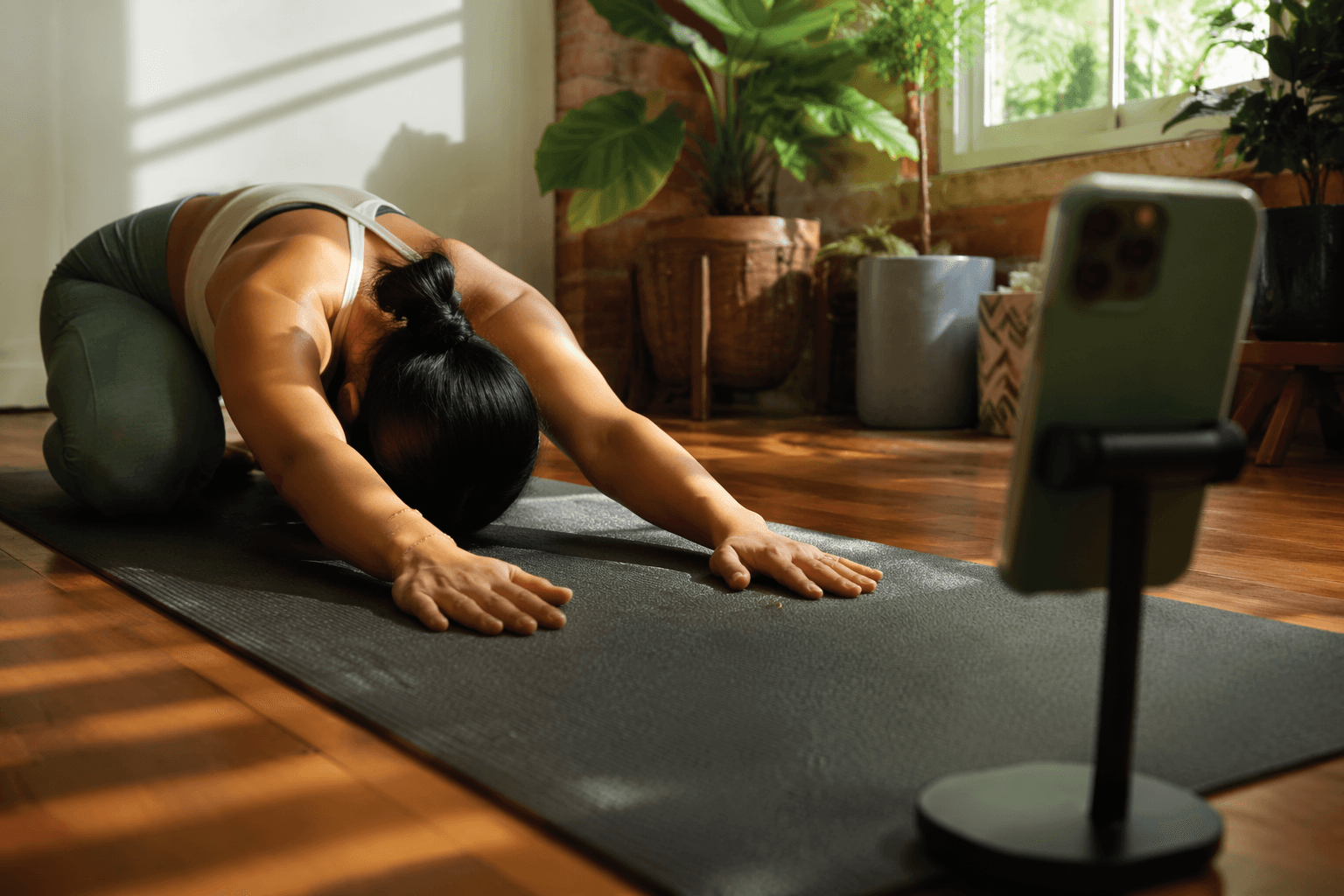
Short reels that show a stretch in seconds, hour-long guided routines and polished clips on Instagram and YouTube now shape how many young professionals, students and homemakers discover practice, and the pandemic pushed that shift from novelty to habit.
The studio moved to the screen
Lockdowns forced many instructors and studios online, speeding up a transition that had already been building. What used to be a scheduled in-person class became, in many cases, a quick tutorial watched between meetings, lectures or household work. That change widened access, but it also introduced a central tension in modern yoga: a practice that depends on attention, correction and repeat feedback now has to survive inside a format built for speed and visibility.
A platform clip is immediate, easy to share and simple to return to later. When a practice is compressed into a few seconds of movement, the performance can become more visible than the teaching, and the line between inspiration and misinformation gets thinner.
What the research says about online yoga
A cross-sectional study of online yoga during the early phase of the pandemic looked at perceived benefits, barriers and acceptability among a large global sample of practitioners and teachers.
The same research conversation keeps returning to two limits that matter in real studios and real homes: the lack of immediate physical feedback and the difficulty of assessing alignment in a virtual setting. A teacher can see a face on a screen, but not always the subtle compensation patterns that show up in a shoulder stack, a pelvis tilt or a knee angle.
A separate 2024 study of 407 yoga instructors in the Northeastern United States found that COVID-19 changed how teachers thought about teaching methodology, class components and yoga-related injuries among clients.
Why the feed spread so fast in India
India has been one of the clearest examples of why visually driven yoga content travels so quickly. Instagram controls over 30 percent of the country’s social media market, giving short-form fitness and wellness clips a powerful route to discovery. A pose that would once have spread through a local class, a teacher training or word of mouth can now circulate far beyond its original community in a matter of hours.
Yoga stretches back thousands of years, originated in ancient India and is now practiced worldwide. The digital version is not a new practice so much as a new delivery system for something old. A clip can spark curiosity, but it can also flatten context, strip out modifications and make a difficult sequence look beginner-friendly when it is not.
YouTube fills a different role from Instagram. If Instagram drives discovery, YouTube often acts as the longer classroom, where teachers can offer fuller routines, cues and pacing. Together, the two platforms have become central tools for outreach, community building and personal branding, which makes them powerful and, at times, uneven.
What gets lost when practice becomes performance
The biggest concern in digital yoga is not that the internet made yoga visible. It is that visibility can be mistaken for quality. A smooth sequence, good lighting and a calm soundtrack can create trust in a way that has little to do with whether the practice is appropriately sequenced, well aligned or adapted to the body in front of the screen.
That is where the traditional teacher-student relationship still matters. In a live room, a teacher can catch a collapsed arch, a strained neck or a breath that has gone shallow. On a screen, especially in a recorded clip, those corrections disappear. The result is a familiar tradeoff in the online yoga world: access grows, but hands-on feedback and alignment correction become harder to preserve.
How teachers are adapting
Teachers have not just been displaced by digital platforms, they have started to use them strategically. Instagram and YouTube are now part of how many instructors reach students, build community and establish a clear public identity. For some, the feed is a doorway rather than the destination, a way to introduce a style, demonstrate a short sequence or keep students connected between formal classes.
Yoga Alliance calls itself the largest nonprofit association representing the international yoga community and remains part of that infrastructure through its credentialing resources. In a landscape where a viral video can look as authoritative as a full training, those resources give students a way to check whether a teacher’s online presence is matched by actual preparation.
How to use digital yoga without losing the practice
The healthiest way to use Insta yoga is to treat it as a starting point, not a complete education. A short reel can remind you to move, but it should not be the final word on sequencing, alignment or progression.
- Use short clips to discover teachers, then look for longer sessions that explain setup, modifications and pacing.
- Pay attention to whether a teacher offers alignment cues, not just shapes.
- Treat polished presentation as a marketing tool, not proof of depth.
- Use credentialing resources when you are checking a teacher’s training background.
The World Health Organization recommends that adults aged 18 to 64 get at least 150 minutes of moderate-intensity physical activity a week, or 75 minutes of vigorous activity, and states that regular activity helps prevent and manage cardiovascular disease, cancer and diabetes while reducing symptoms of depression and anxiety.
This article was produced by Prism’s automated news system from verified source data, official records, and press releases, then run through automated quality and moderation checks before publishing. The system is built and supervised by the people who set the standards it runs under. Read our full AI policy.
Did this article answer your question?