Lululemon Faces Leadership Shifts and Market Pressure at Strategic Crossroads
Calvin McDonald's exit leaves Lululemon without a permanent CEO as North American sales cool and Alo, Vuori chip away at the brand that built its empire on yoga studios.

Lululemon Athletica, the $10-billion-plus athleisure giant that grew from a single Vancouver yoga studio into a global retail force, is now navigating its most consequential period in years. CEO Calvin McDonald stepped down on January 31, 2026, following an announcement made in early December 2025, leaving the company without a permanent chief executive while it contends with slowing North American demand, intensifying competition, and the search for its next chapter of growth.
A Leadership Vacuum at the Top
The company is currently operating without a permanent chief executive, with interim co-CEOs Meghan Frank, the CFO, and André Maestrini, the Chief Commercial Officer, now sharing leadership duties. The division of responsibility is deliberate: Frank oversees product merchandising, design, and brand, while Maestrini looks after the company's global markets. Board Chair Marti Morfitt has taken on the expanded role of Executive Chair to maintain strategic momentum through the search process.
Since joining Lululemon in 2018, McDonald more than tripled the company's revenue, which is expected to reach $11 billion at the end of 2025, and broadened its global footprint to 30 markets while significantly expanding the product portfolio. That record makes the transition feel especially high-stakes. For a brand whose premium positioning depends on decisive product storytelling and community investment, an extended leadership gap introduces real execution risk at precisely the moment competitors are pressing hardest.
The Numbers Behind the Pressure
Lululemon grapples with a 3% sales drop in 2025 and low 2-4% revenue growth guidance for 2026, sparking investor concerns over North American demand and competition. The deceleration is not happening in isolation. Spending data from Earnest Analytics shows Lululemon capturing the second-biggest chunk of monthly athleisure spending in the U.S. at 21.2%, trumped only by Nike's 31.6%. But holding that position has become harder as challenger brands accelerate.
Viral yogawear upstarts and the growing popularity of dupe culture have created pressure on two fronts. The ultimate measure of the brand may rest on how many premium leggings consumers are genuinely willing to own. An analyst quoted by CNBC put the competitive threat bluntly: "Five years ago, Alo and Vuori were nothing burgers, and that's when Lululemon was growing 20% a year. Today, you look at the numbers and you're like, the business is flat. It's not growing, and yet it's coinciding with the hypergrowth of Alo and Vuori." Gross margins face additional pressure from tariffs, compounding a picture that has weighed heavily on investor sentiment.
From Yoga Studio to Global Athleisure Brand
Understanding where Lululemon stands today requires tracing how it got here. Founded in 1998 by Chip Wilson in Vancouver, British Columbia, the company built its early identity entirely around yoga culture, treating local instructors not as paid endorsers but as authentic community connectors. That grassroots ambassador model, in which yoga teachers wore and championed the brand inside their studios, helped justify a premium price point and cultivated a loyalty that conventional advertising could not replicate.

The brand's community-led marketing grew from those original yoga teacher networks into a two-tier ambassador structure spanning store ambassadors and global ambassadors. Store ambassadors include athletes, yoga teachers, creatives, and entrepreneurs who are passionate about fitness and health, tasked with helping Lululemon connect with local communities around the world and provide insightful feedback on products. Global ambassadors partner with renowned athletes, yoga teachers, trainers, musicians, and creatives who use their passion for movement to drive broader cultural impact. This two-layer system is what turned a single product category into a lifestyle identity.
The company's expansion beyond yoga apparel into menswear, footwear, and broader lifestyle categories was a deliberate attempt to diversify revenue and deepen that identity. The 2013 sheer-leggings recall, which temporarily shook consumer confidence and raised quality-control questions, proved an early test of brand resilience that the company ultimately survived through community trust and product improvement. That episode now sits in the institutional memory as a reference point for how leadership manages crisis, a relevance that feels pointed given the current moment.
What This Means for the Yoga Community
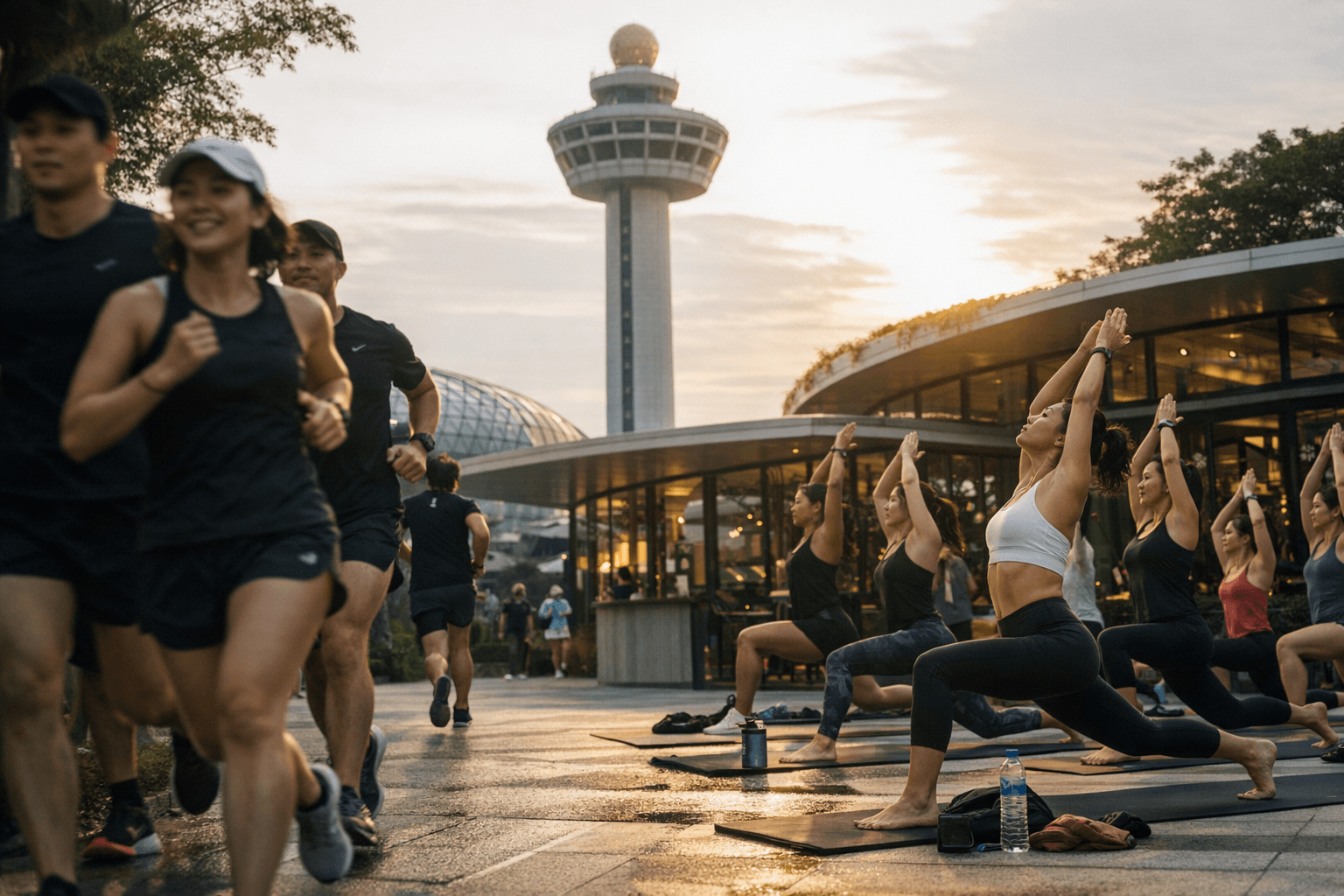
For yoga teachers, studio owners, and local ambassadors embedded in Lululemon's ecosystem, these business dynamics are not abstract investor concerns. They translate directly into the budgets that fund in-store classes, the compensation structures for community ambassadors, and the frequency of experiential activations like community yoga events. When a brand at this scale recalibrates its spending priorities, the ripple effect reaches the teacher leading a Thursday evening flow at a partner studio.
The brand has historically served as a major convenor and sponsor within the yoga economy, providing visibility for teacher-training tie-ins, in-store programming, and local community activations. If Lululemon rebalances its growth levers toward international franchise expansion or digital channels, the in-person community investment that yoga professionals have relied on may become less predictable. Independent studios and teacher networks that built outreach strategies around Lululemon's ecosystem have reason to think carefully about diversifying their brand partnerships and amplifying owned channels, whether that means building direct email lists, partnering with regional brands, or deepening ties with studio management platforms.
The Path Forward
The strategic options in front of Lululemon's interim leadership are real and consequential. International expansion remains a primary growth driver, and the company's foothold in markets outside North America represents the clearest near-term revenue opportunity. New product pillars, particularly in footwear and men's performance, offer category diversification. Whether the incoming permanent CEO prioritizes brand heat, operational discipline, or community reinvestment will determine what the Lululemon ecosystem looks like for yoga professionals in the next three to five years.
The apparel company's stock has declined significantly since reaching a high point in December 2023, and the incoming permanent CEO will inherit a business that still commands market authority but needs a convincing growth narrative to reassure investors and partners alike. The brand that once expanded by making yoga teachers feel like co-owners of something meaningful now has to decide whether that model still scales, or whether a new kind of community strategy is required to carry it through the next decade.
Know something we missed? Have a correction or additional information?
Submit a Tip