Resale Shop Owner Charged With Trafficking After Seizure of Lululemon Yoga Gear
A University Place resale shop owner was charged after authorities seized about 1,770 Lululemon-marked items, raising concerns about provenance in the yoga resale market.

Authorities seized roughly 1,770 items marked Lululemon from a resale shop operating as New Lu and More in University Place, Washington, and prosecutors charged owner Marra Ferrlan Carissimo, 55, with three counts of first-degree trafficking in stolen property. The seizure and charges highlight growing scrutiny of the secondhand athleisure market and the importance of verifying the source of used yoga gear.
Charging documents cited about $919,779.64 in Venmo payments to Carissimo between September 2024 and June 2025, with approximately $72,745.51 withdrawn. Lululemon loss-prevention teams used RFID scanning to identify merchandise that had left store inventories without corresponding sales records. Investigators reported more than 400 confirmed stolen items among the recovered inventory, with many additional pieces listed as having unclear provenance. Lululemon recovered more than $100,000 of confirmed stolen merchandise and requested prosecution. Carissimo’s arraignment was scheduled for January 30, 2026.
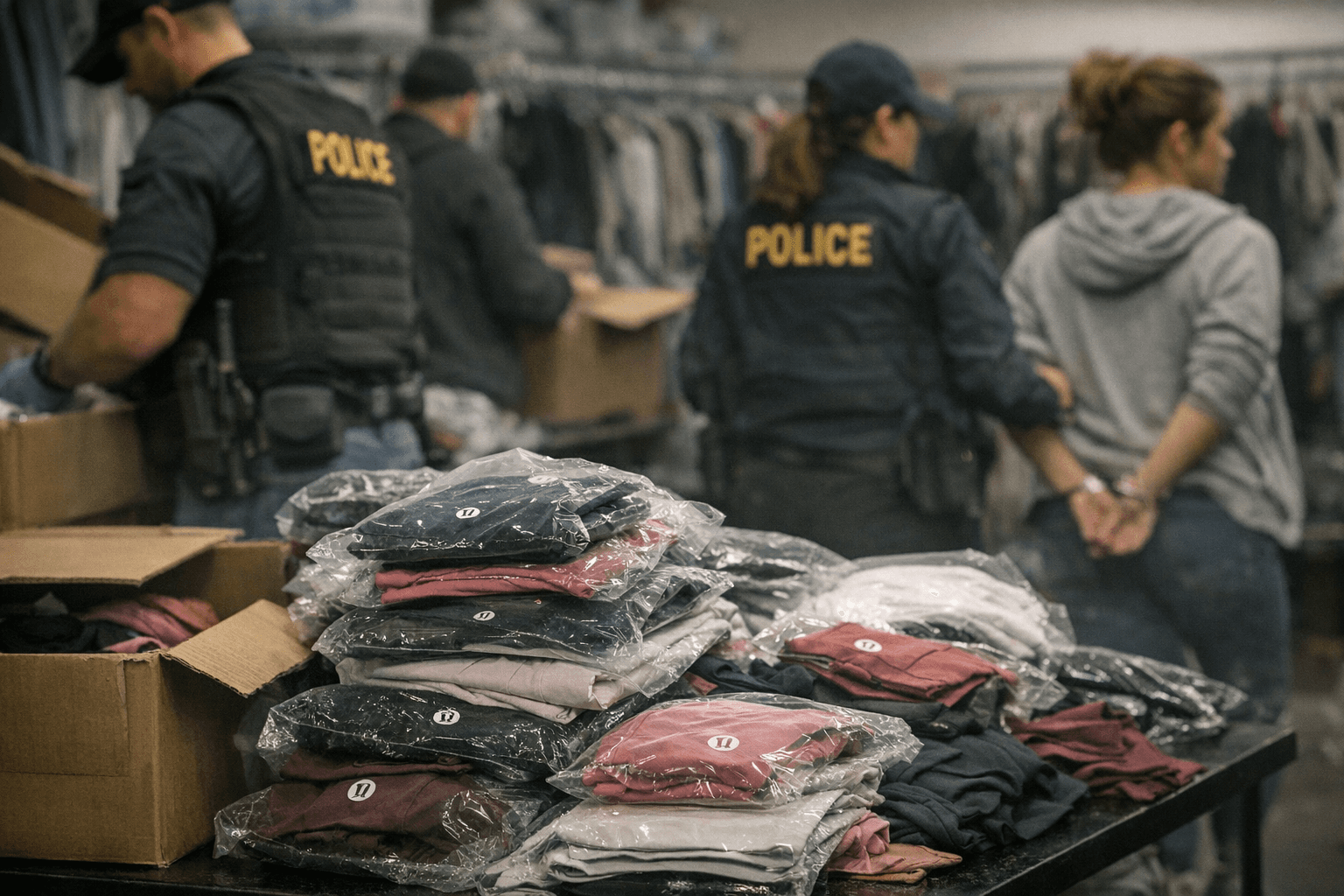
The case sits within a broader pattern of organized retail crime hitting apparel and athleisure brands. For the yoga community, which increasingly turns to resale for sustainability and savings, the investigation underscores two practical risks: inadvertent purchase of stolen goods and erosion of trust in the preowned market. High-end yoga labels like Lululemon are targeted in part because of their resale value and recognizable branding.
If you buy or sell secondhand yoga gear, take concrete steps to protect yourself and support a healthy resale ecosystem. Verify provenance by asking sellers for receipts or photos showing original tags, check care labels and logo stitching for consistency, and be wary of unusually low prices on high-demand items. Prefer sellers with clear business registrations or established profiles and consider local thrift stores and consignment shops that can confirm sourcing. If an item seems suspicious, report it to the seller platform or local law enforcement.
For sellers and small resale businesses, maintain transparent records of inventory and payment histories. Platforms and payment apps used by resellers, including Venmo, which appears in the charging documents, may become focal points in investigations when transactions are large or repeated. Keeping receipts, purchase invoices, and a clear chain of custody reduces legal exposure and protects your reputation.
This investigation will likely produce more details as the case moves through the courts. The January 30 arraignment is the next procedural step to watch. For yogis who rely on resale to build sustainable wardrobes, the event is a reminder to pair your love of a good deal with diligence so your practice stays ethical, legal, and long-lasting.
This article was produced by Prism’s automated news system from verified source data, official records, and press releases, then run through automated quality and moderation checks before publishing. The system is built and supervised by the people who set the standards it runs under. Read our full AI policy.
Did this article answer your question?