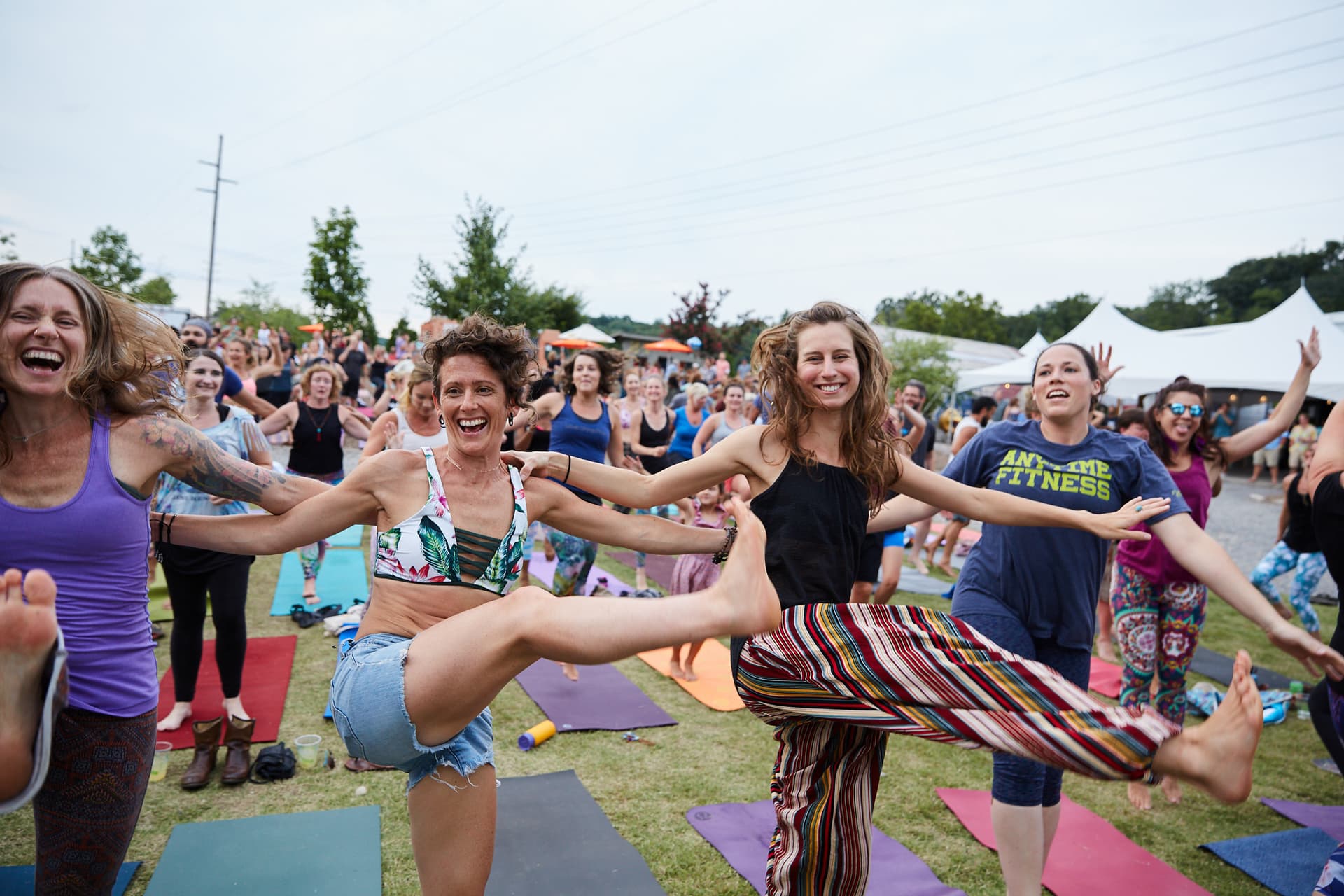
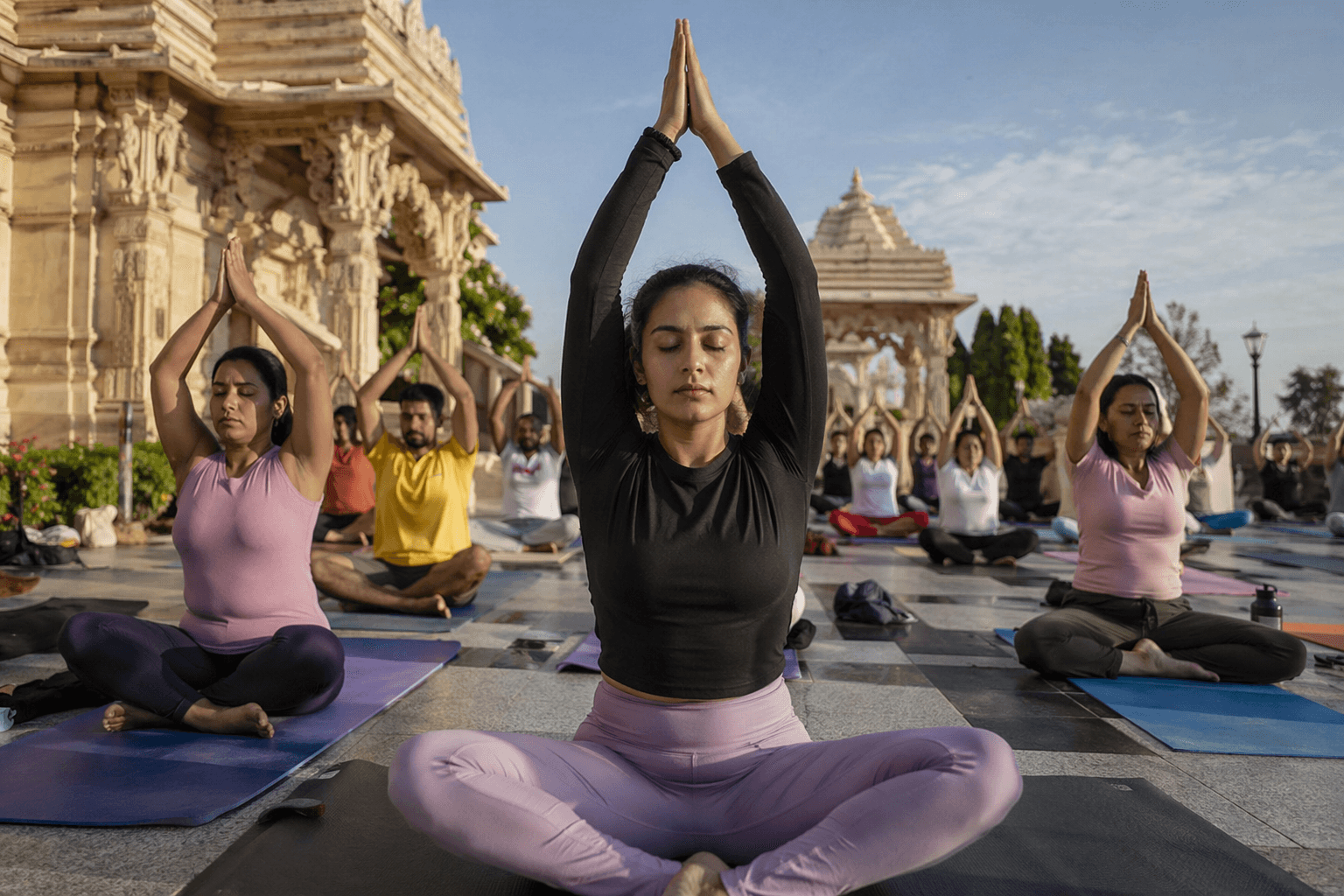
Studio 10 showcases chair yoga for seated and low-impact practitioners
A Studio 10 wellness segment demonstrated chair yoga for seated or low-impact practice and highlighted inclusive community programming. The piece shows simple ways to keep moving when balance or flexibility is limited.
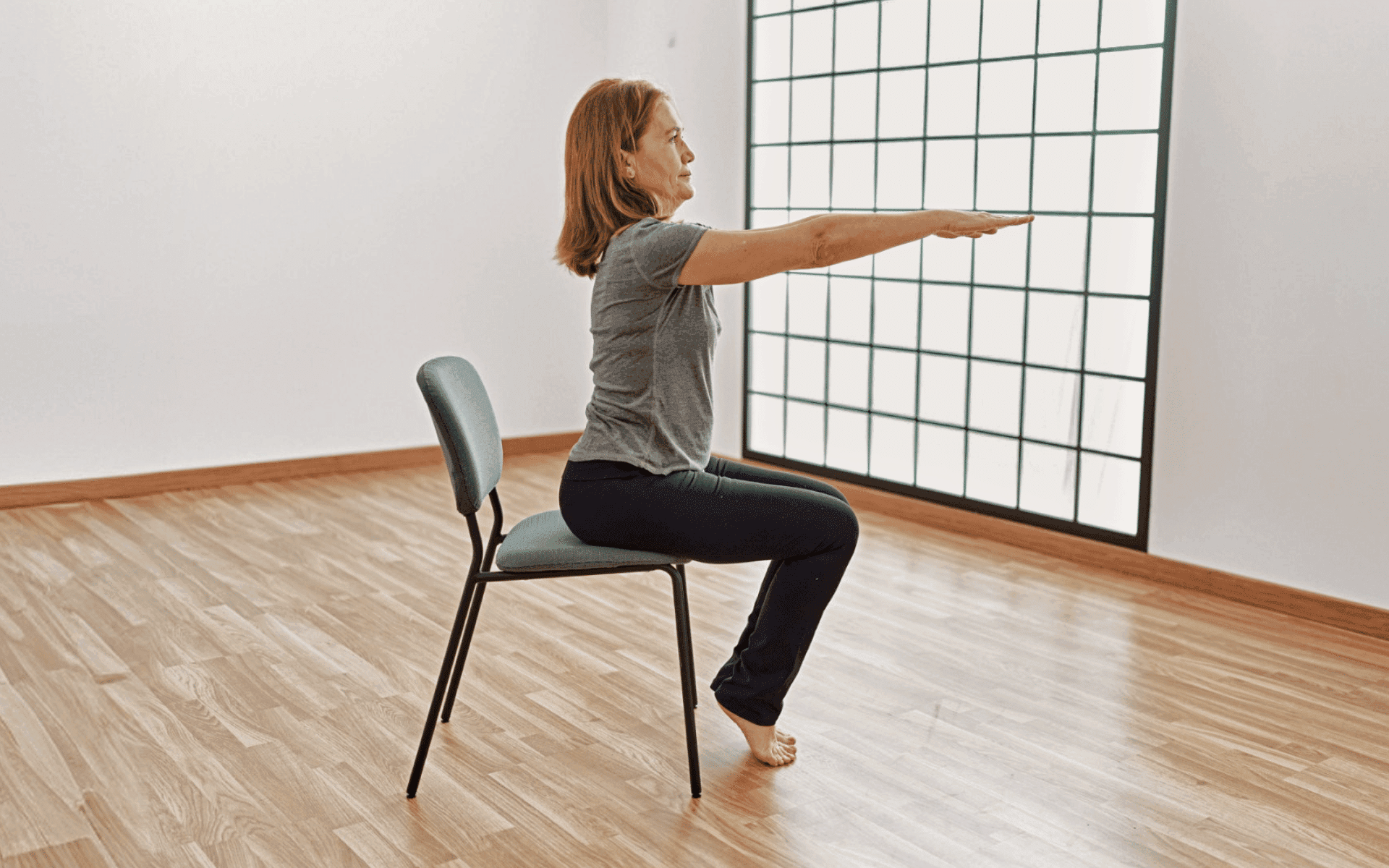
A Studio 10 wellness segment presented chair yoga techniques designed for people who need seated or low-impact options, emphasizing mobility, gentle strength, breath awareness, and clear safety cues. The short item aimed to show how chair-based practice can help maintain range of motion, support everyday function, and serve as an accessible entry point for older adults and those recovering from injury.
The segment opened with demonstrations performed entirely from a chair, showing how basic movements can be adapted so practitioners do not have to stand or get down to the floor. Movements focused on joint mobility and slow, breath-linked motion to reduce stiffness and improve circulation. Instructors highlighted safety basics: use a sturdy, nonrolling chair, keep feet planted hip-width apart, move within a comfortable range, and prioritize steady breath over depth of stretch.
Practical benefits were front and center. Chair work helps preserve the shoulder, spine, hip, and ankle range of motion needed for daily tasks such as reaching into cupboards, turning while walking, or rising from a seat. Gentle strength-building actions done isometrically or through slow repetitions were shown as ways to maintain muscle tone without high impact. Breath awareness and simple pranayama patterns were used to calm the nervous system and make movement more coordinated.
Community relevance was reinforced when the piece pointed to local programming that brings chair yoga into community centers, senior centers, and rehabilitation settings. Those offerings make movement more inclusive by removing barriers like balance requirements or the need to transfer to the floor. For many older adults and people recovering from surgery or injury, chair classes provide a safe, social way to keep active and preserve independence.
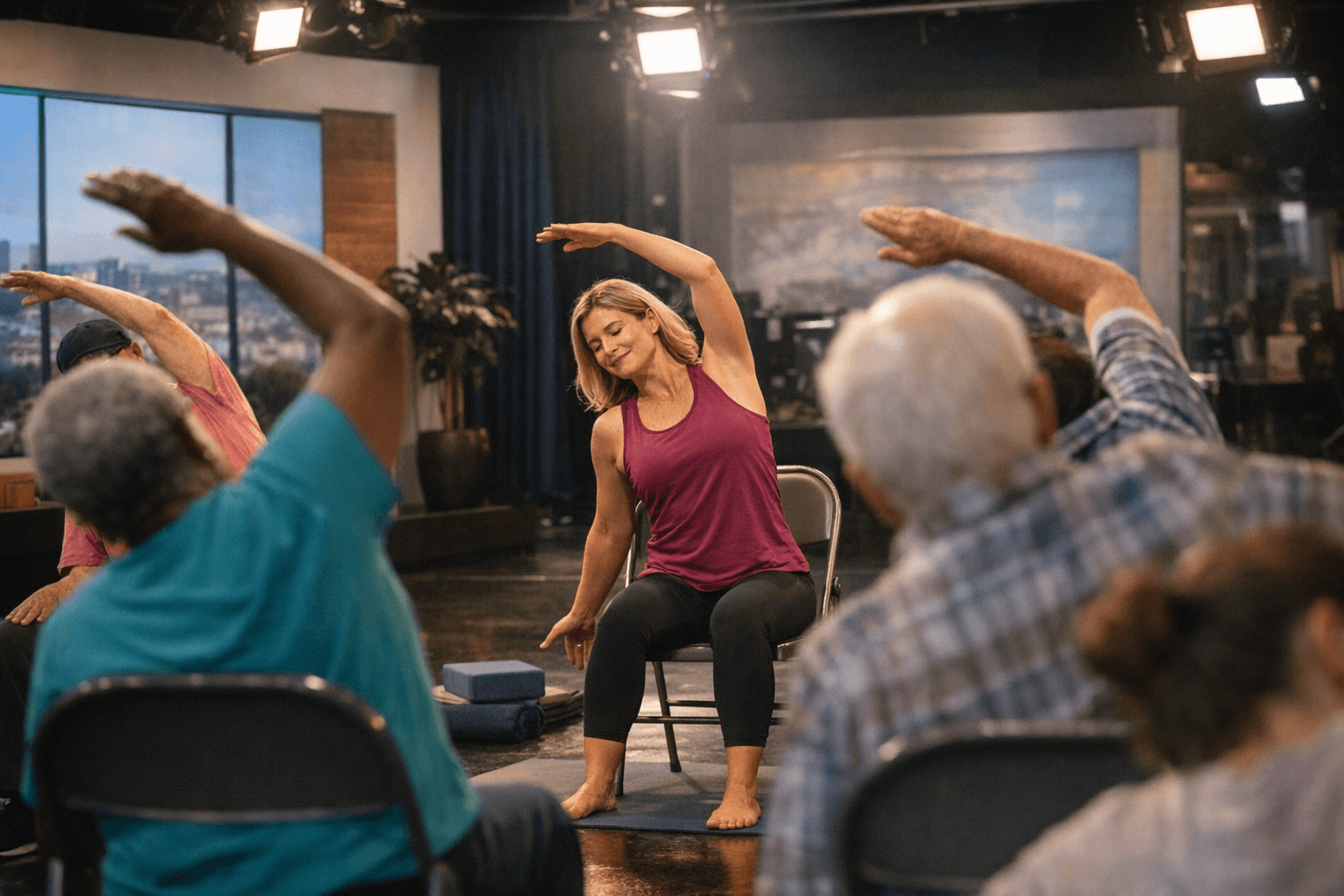
For readers ready to try chair yoga, begin with short daily sessions of five to ten minutes, prioritize safety by choosing a sturdy chair, and consult a health professional if recovering from a condition that affects balance or healing. Look for community classes that advertise chair or adaptive yoga, or ask local studios and senior centers if instructors can offer modifications.
This coverage underscores a simple but powerful message: yoga does not require a mat on the floor to be effective. Chair-based practice expands who can participate, helping people keep moving, manage daily function, and connect with local programs that welcome different bodies and abilities.
This article was produced by Prism’s automated news system from verified source data, official records, and press releases, then run through automated quality and moderation checks before publishing. The system is built and supervised by the people who set the standards it runs under. Read our full AI policy.
Did this article answer your question?