Study Finds Meditation Can Change the Brain in Just Minutes
Brain changes tied to meditation showed up in as little as 30 seconds for advanced practitioners, but the new study’s strongest signal came around seven minutes.
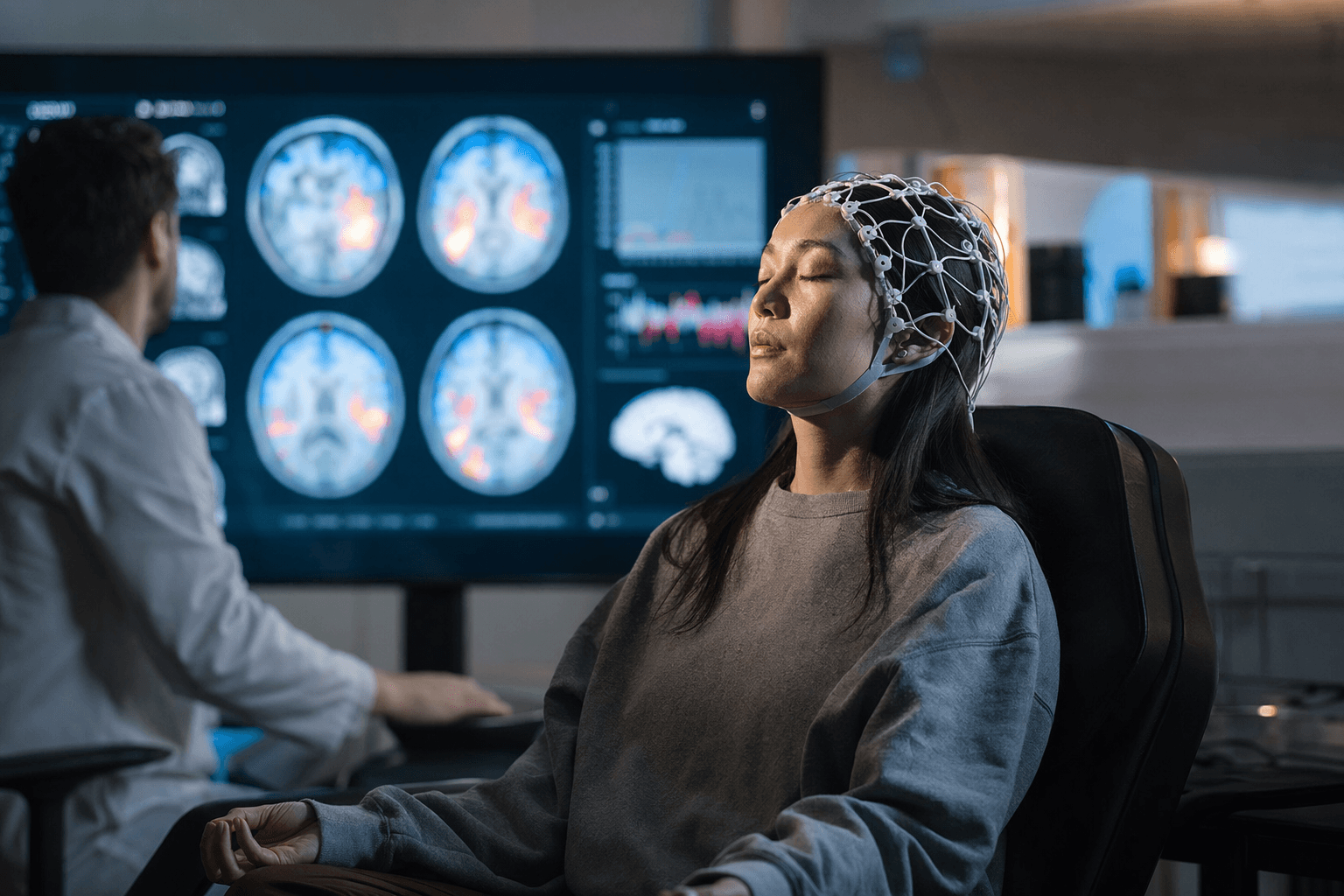
Meditation may not need a long sit to matter. A March 21 study in Mindfulness found measurable brainwave shifts in experienced meditators within 30 seconds and in beginners after about two to three minutes, with the clearest effects arriving around seven to ten minutes.
The study, titled Temporal EEG Signatures of Meditation Experience: Peak Brainwave Changes at 7 Minutes During Isha Yoga Breath Watching, used 128-channel EEG to track 103 people across three groups: 28 meditation-naïve controls, 33 novice meditators and 42 advanced meditators from the Isha Yoga tradition. The researchers found increases in alpha, theta and beta1 power, along with decreases in delta and gamma1 power. Advanced meditators showed higher theta and theta-alpha power at every time point, and the paper concluded that brief practices of seven minutes or more, delivered digitally, could be scalable and effective.
That makes the study useful, but it also keeps the hype in check. The brain did not flip into a perfect calm state instantly for everyone. The strongest early signature belonged to advanced meditators, while the novice and control groups took longer to show change. In other words, the finding supports short-form practice, but it does not turn one breath into a universal breakthrough.
The broader wellness context points the same way. Mayo Clinic says mindfulness requires no special equipment or training and counts even when it shows up as brief awareness during ordinary activities. The National Center for Complementary and Integrative Health says meditation dates back thousands of years, usually carries few risks and rose sharply in the United States, from 7.5% of adults using it in 2002 to 17.3% in 2022. In that 2022 data, meditation was the most popular of seven complementary health approaches measured.
But meditation is not a guaranteed soft landing. Harvard Gazette reported in 2025 that 45% of surveyed participants had experienced meditation-related altered states at least once, and 13% reported moderate or greater suffering. That is the reminder hidden inside the feel-good headline: short practices can be real, but they are still practices, not magic.
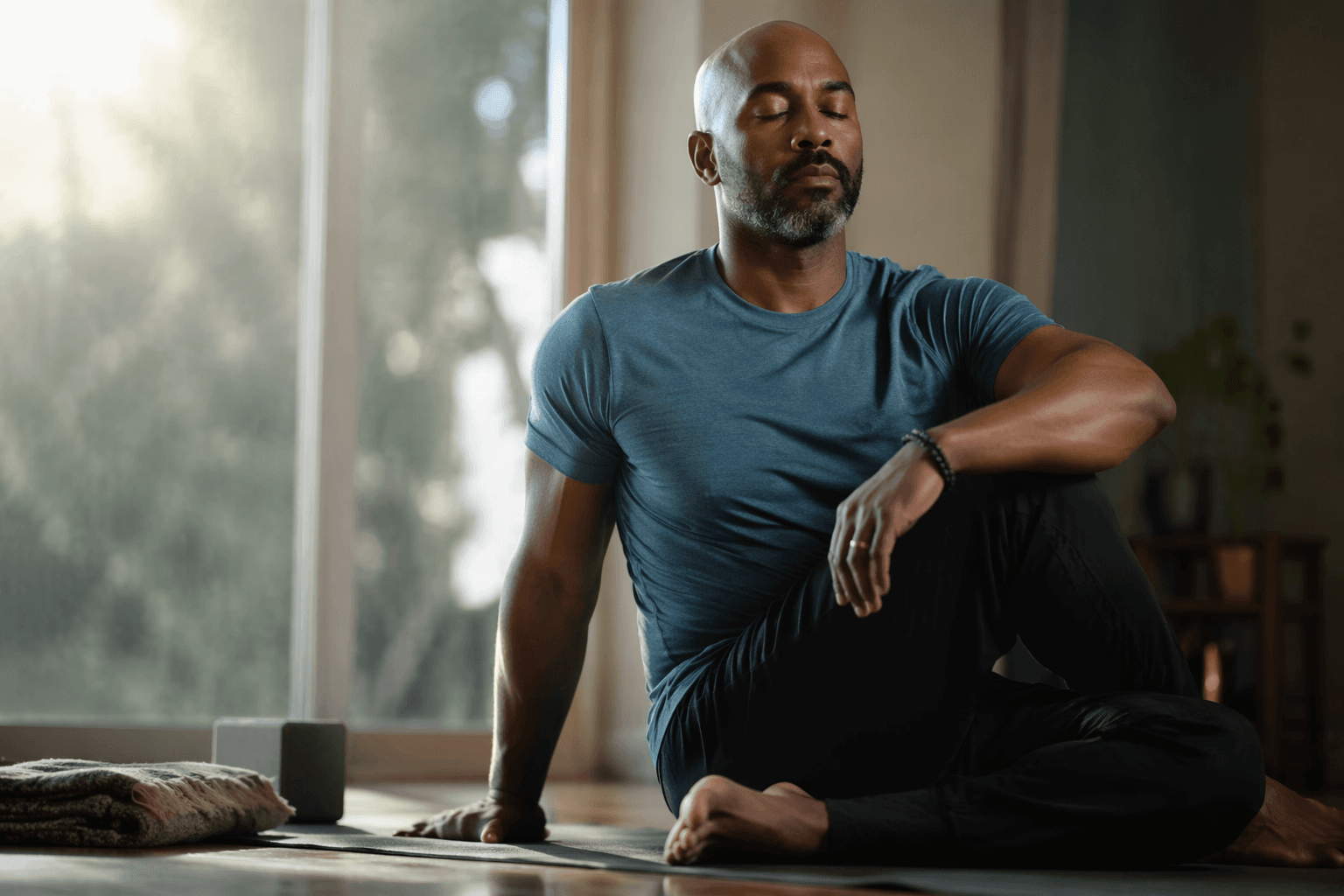
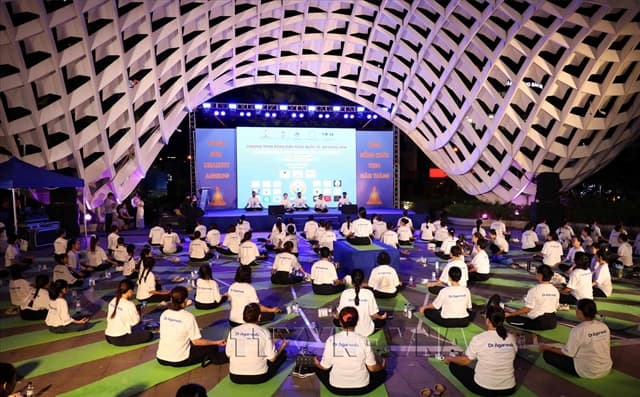
For busy practitioners, the most realistic takeaway is almost disarmingly small. A few breaths before coffee, a minute of breath watching before opening a laptop, or a brief pause between tasks can count as meditation work. For yoga teachers, app builders and studio owners, the study gives a clearer pitch for micro-meditation: low-friction, short enough to fit into ordinary life, and long enough to register on the brain.
This article was produced by Prism’s automated news system from verified source data, official records, and press releases, then run through automated quality and moderation checks before publishing. The system is built and supervised by the people who set the standards it runs under. Read our full AI policy.
Did this article answer your question?