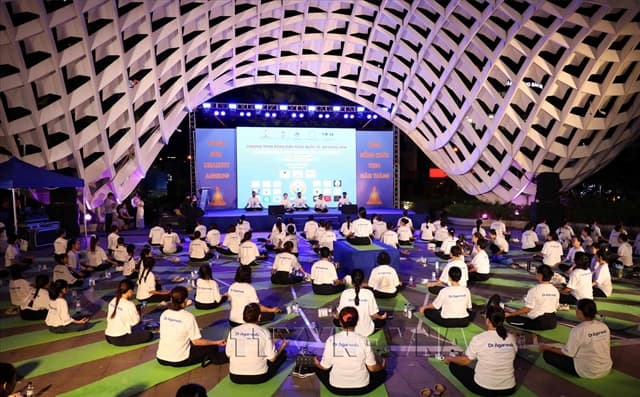
Study Finds Yoga Nidra Alters Brain Connectivity, Unlike a Nap
An fMRI study found Yoga Nidra changed default mode network connectivity in meditators, while a nap-like rest did not. Andrew Huberman’s NSDR framing is now getting brain-scan backing.
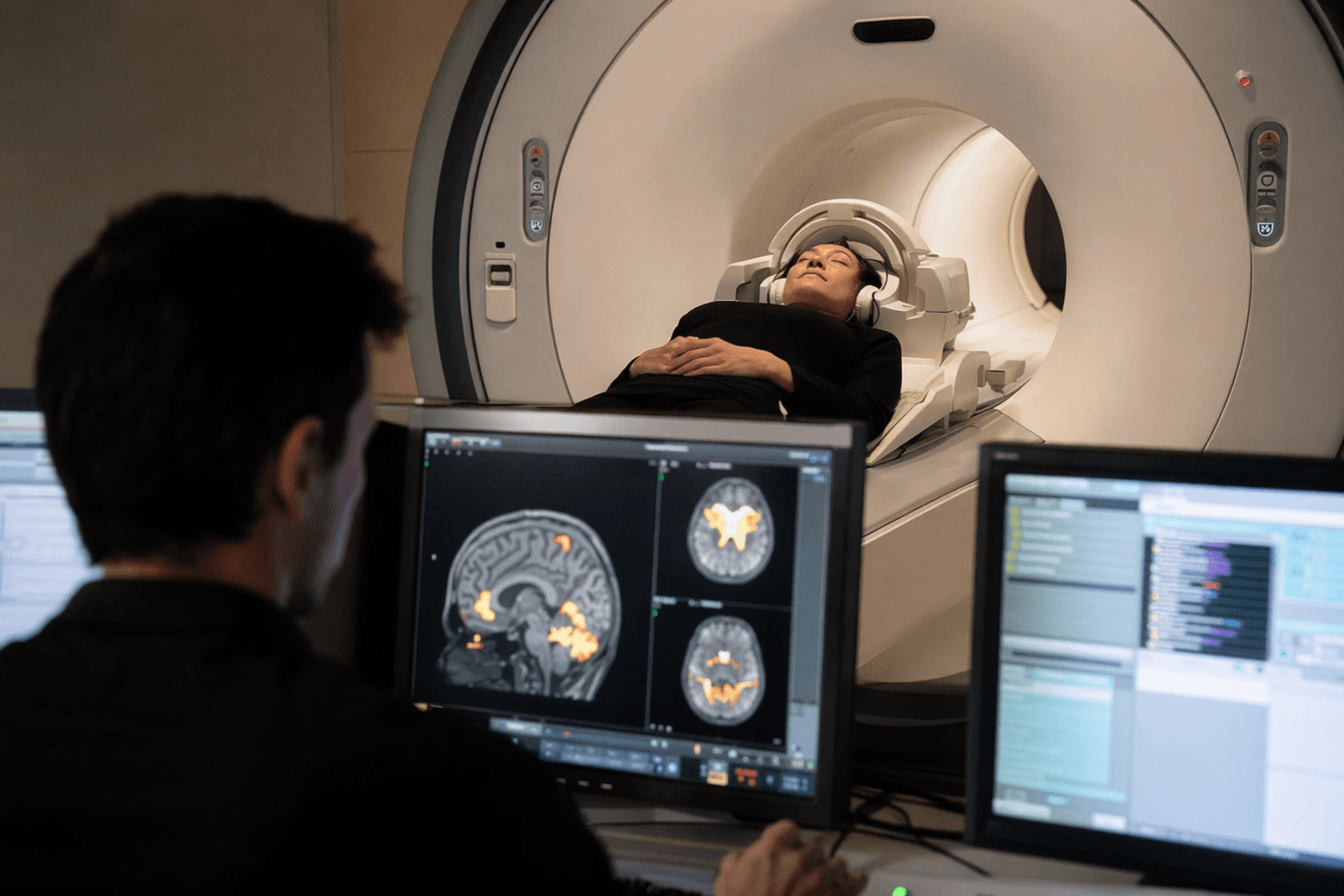
A new brain-scan study is pushing Yoga Nidra into a sharper scientific conversation: not as a fancy nap, but as a practice that appears to move the brain differently. In the first fMRI study of its kind, researchers led by Suruchi Fialoke, Vaibhav Tripathi, Sonika Thakral, Anju Dhawan, Vidur Majahan and Rahul Garg compared 30 experienced meditators and yogic practitioners with 31 novice controls, then looked at what happened during Yoga Nidra and during rest.
The clearest signal came from the default mode network, the brain system tied to self-referential thought, drifting and mind wandering. During Yoga Nidra, meditators showed significantly reduced default mode network connectivity compared with controls. Novices showed the opposite pattern, with increased DMN connectivity relative to the meditators. But when the same people were scanned before and after the practice in resting state, there were no significant group differences. That matters because it suggests the change was not simply what happened when participants lay still with their eyes closed.
The authors describe Yoga Nidra as a practice designed to create deep relaxation while maintaining awareness, and that is the state the data seems to support: restful yet aware. The reduced DMN connectivity during Yoga Nidra also correlated with cumulative hours of meditation and yoga practice, which points to experience shaping how the practice is embodied in the brain. It does not prove Yoga Nidra is superior to sleep, or that every beginner will respond the same way, but it does show that seasoned practitioners and novices may not be entering the same mental territory.

The findings have resonated beyond the lab because Yoga Nidra has long lived in two worlds at once, as a contemplative tradition and as a modern relaxation tool. A 2022 review in PubMed describes it as a simplified form of an ancient tantric relaxation technique, linked to Shavasana and systematized for wider use in the 1960s by Swami Satyananda Saraswati. Andrew Huberman has helped popularize a related frame, NSDR, or non-sleep deep rest, which he says includes Yoga Nidra and some meditation practices. On the Huberman Lab page, he offers free 10-, 20- and 30-minute NSDR protocols, and he distinguishes the practice from a nap by placing it on the spectrum between wakefulness and sleep. That makes the new fMRI evidence especially relevant: Yoga Nidra now has brain-connectivity data behind a claim practitioners have made for years, that it is not just dozing off in disguise.
This article was produced by Prism’s automated news system from verified source data, official records, and press releases, then run through automated quality and moderation checks before publishing. The system is built and supervised by the people who set the standards it runs under. Read our full AI policy.
Did this article answer your question?