Study urges clinicians to take yoga breathwork more seriously
A Frontiers review says slow, guided breathing has enough evidence for clinicians, while vague breathwork claims still outrun the data.
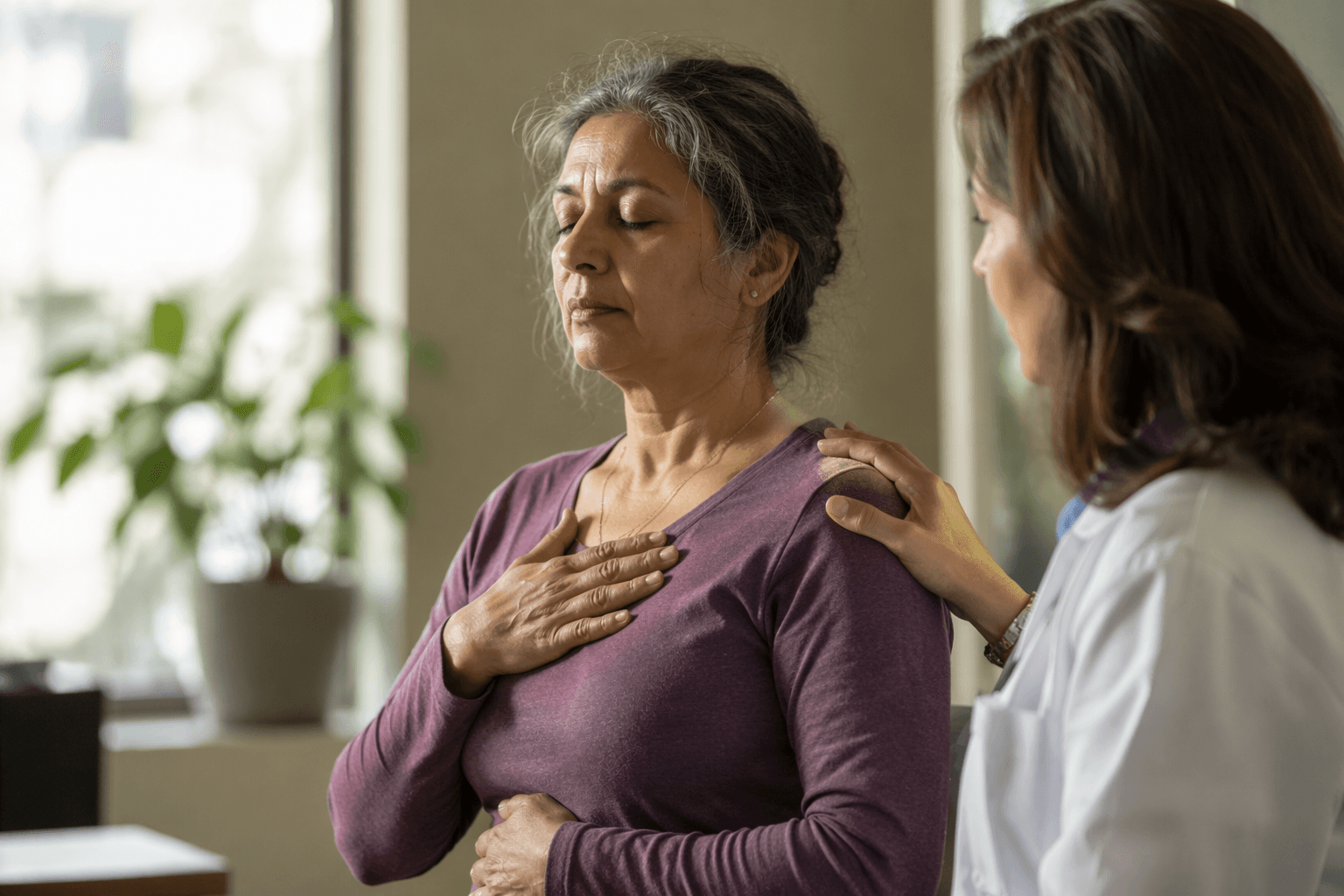
A Frontiers in Psychiatry review published July 8 argued that structured breathing practices used in yoga studios and community breathwork groups have moved far enough to merit clinical attention. Accepted June 2, the narrative review, Neurophysiological mechanisms of breathing-based well-being practices: a narrative review for clinical application, was written by Pravesh Sharma, Paul H. Min and colleagues from Mayo Clinic and related institutions.
The strongest evidence the authors point to comes from a 2023 systematic review that screened 2,904 unique articles and included 58 studies on stress and anxiety reduction. The breathing practices that looked most effective were slow-only or mixed slow-and-fast protocols, lasted at least 5 minutes, included at least one session of human guidance and were repeated at least six times over one week.
That is a different standard from the loose way breathwork is often marketed. A 2026 meta-analysis on pranayama found lower heart rate and possible modest reductions in blood pressure, but still called the evidence inconclusive and asked for larger standardized trials. The American Heart Association’s guidance runs in the same direction: slow, deep breaths can help stabilize or lower blood pressure and reduce stress symptoms, but people with heart or lung conditions should speak with a clinician first.
The Frontiers review also draws a hard line around what breathwork is not. It says these practices should not replace medical treatment, especially for people with anxiety sensitivity, panic disorder, cardiopulmonary disease or autonomic vulnerability, where tailoring and supervision may matter. That distinction is central for yoga teachers and breathwork facilitators who are increasingly working alongside healthcare settings, not outside them.
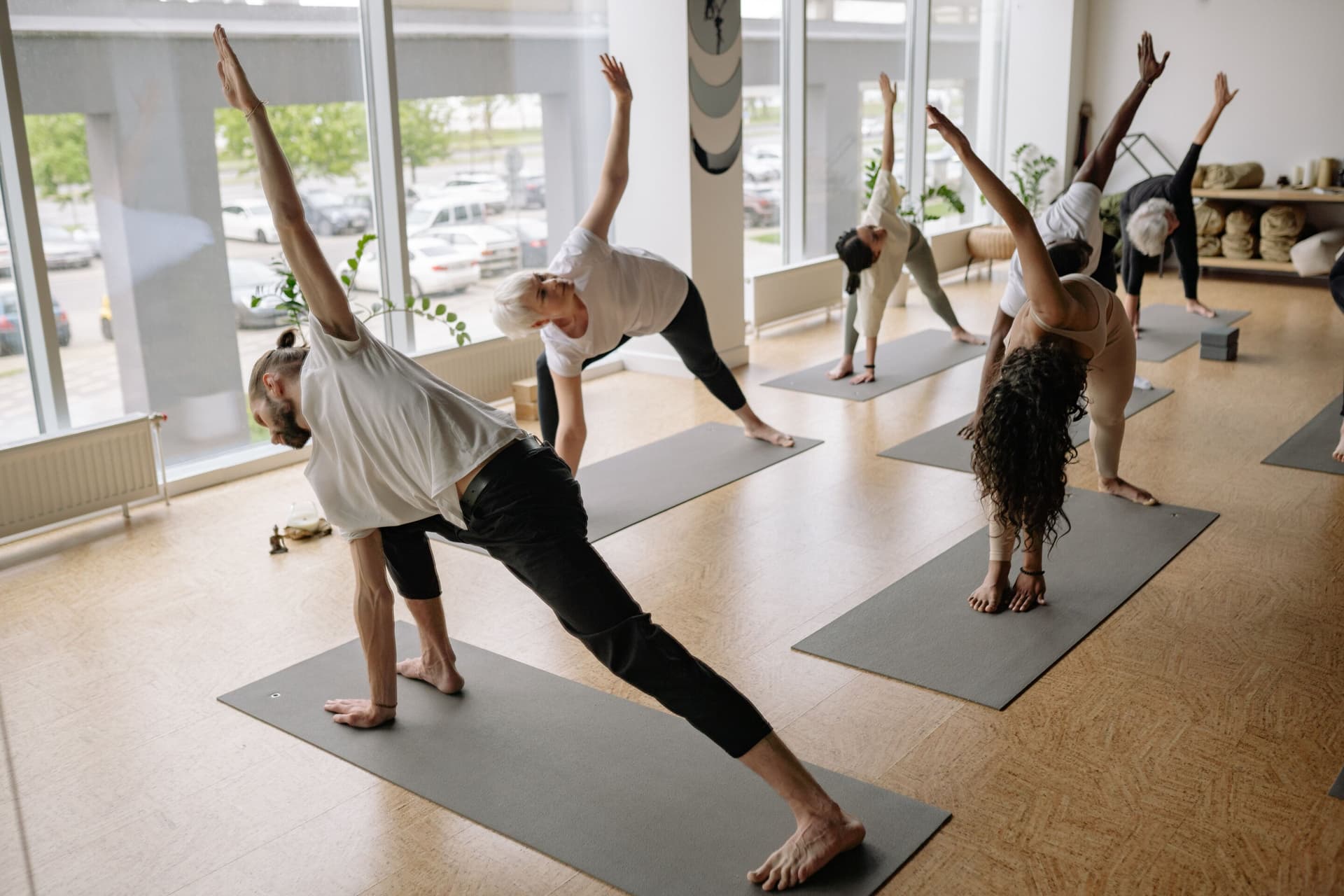
The wider yoga context is already there. The World Health Organization describes yoga as an ancient practice from India that is now used by hundreds of millions of people worldwide, while the National Center for Complementary and Integrative Health says U.S. yoga practice typically combines physical postures, breathing techniques, known as pranayama, and meditation. The clinical gap is not that breath is absent from yoga; it is that many clinicians still lack the training to tell a structured breathing intervention from a wellness slogan.
That is the tension the new review lands on: yoga studios already teach the tool, the evidence is strongest for slow, guided, repeated practice, and mainstream care is still catching up to the difference between real breath training and vague promises.
This article was produced by Prism’s automated news system from verified source data, official records, and press releases, then run through automated quality and moderation checks before publishing. The system is built and supervised by the people who set the standards it runs under. Read our full AI policy.
Did this article answer your question?