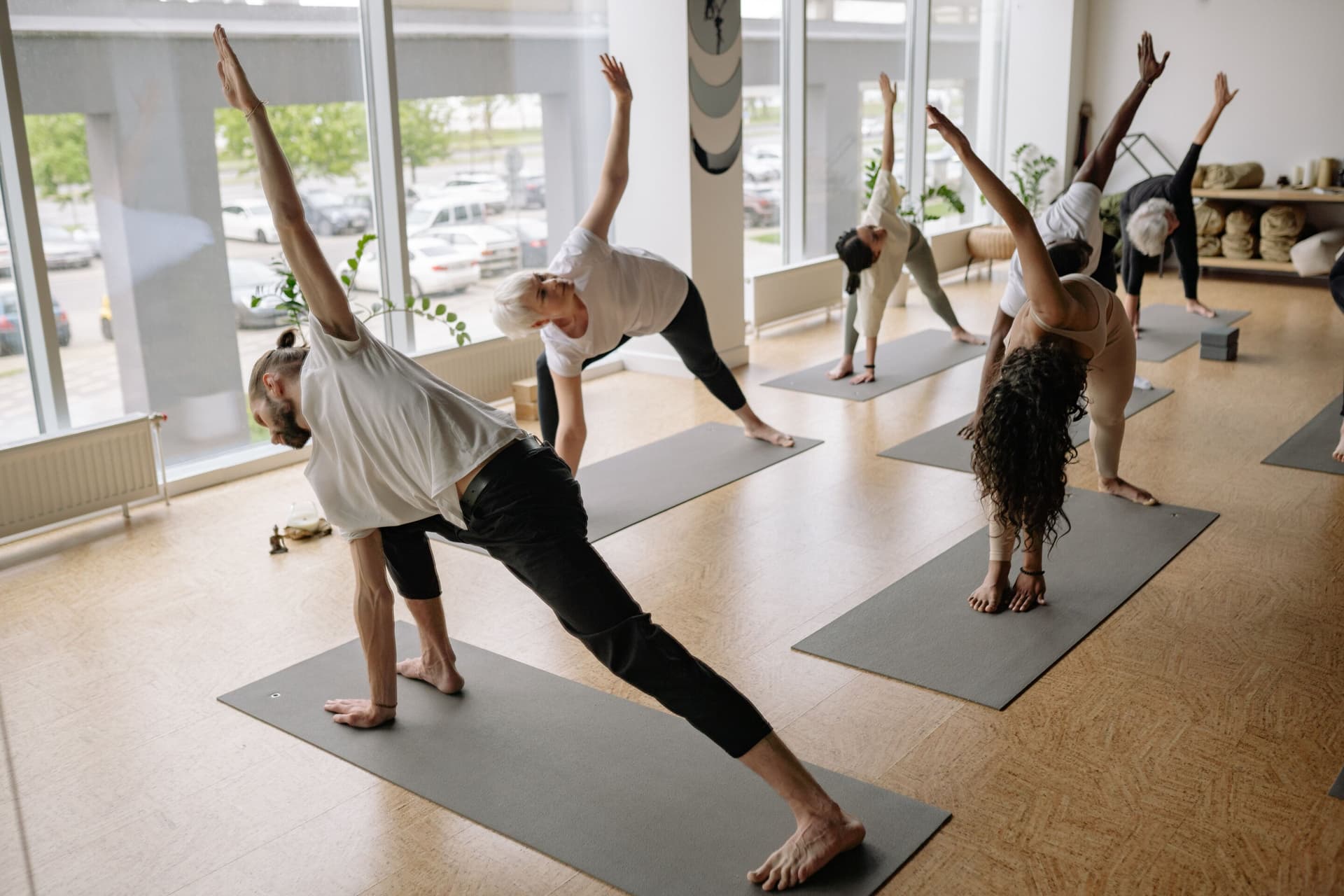
Therapeutic yoga eases anxiety and depression in recovery program
Inside a 30- to 90-day recovery program, three tailored yoga sessions a week tracked with sharper drops in depression and generalized anxiety.

A July 10 paper in the International Journal of Yoga Therapy found that a residential addiction treatment program paired with about three tailored therapeutic yoga sessions a week was linked to lower depression and generalized anxiety, along with higher psychological flexibility and self-compassion. The 117 participants were already in 30- to 90-day care, making the yoga part of a structured treatment setting rather than a stand-alone wellness class.
The study, Integrative Therapeutic Yoga for Substance Use and Co-Occurring Symptoms: Outcomes and Insights from a Residential Treatment Program, was written by Amy Wheeler, Katherine Quayhagen, Amanda M. Raines, Marlysa Sullivan and Smita Prasad. Using paired-samples t tests, the authors compared intake and discharge scores on the GAD-7, PHQ-9, Multidimensional Psychological Flexibility Inventory-Short Form, Self-Compassion Scale-Short Form and PTSD Checklist for DSM-5. The paper reported statistically significant reductions in depression and generalized anxiety, significant gains in psychological flexibility and self-compassion, and lower PTSD symptom scores among participants with probable PTSD.
What made the model distinctive was not a generic flow but a recovery-specific design built around yoga principles and Ayurvedic concepts, including guna, langhana, brahmana and samana. In practice, that meant the sessions were framed around balance, reduction, expansion and equilibrium, all inside a residential program where participants were already getting intensive care for substance-use disorders and related symptoms. That kind of frequency and clinical context is hard to reproduce in a neighborhood studio, but it shows how yoga can be integrated as part of a treatment plan rather than layered on afterward.
The authors were careful not to oversell the results. They described the findings as preliminary and called for randomized controlled designs, more diverse populations and longer-term follow-up to see whether the benefits last after discharge. Even so, the paper adds to a growing treatment-side evidence base: a 2021 systematic review in the Journal of the American Board of Family Medicine found eight randomized trials of yoga for substance use disorders, seven with significant positive outcomes, and a January 7, 2026 randomized clinical trial in JAMA Psychiatry found yoga plus standard buprenorphine stabilized opioid withdrawal faster, with a median of 5 days versus 9 days, in 59 men treated in an addiction medicine inpatient ward in India.
For community teachers, the takeaway is practical. The part that can be borrowed is the deliberate matching of practice to the people in the room, the repetition, and the therapeutic intention. The part that cannot be borrowed wholesale is the residential-treatment structure, the clinical screening, and the intake-to-discharge measurement that made this recovery model work.
This article was produced by Prism’s automated news system from verified source data, official records, and press releases, then run through automated quality and moderation checks before publishing. The system is built and supervised by the people who set the standards it runs under. Read our full AI policy.
Did this article answer your question?