Yoga and Exercise Outperform Medication for Depression and Anxiety, Study Finds
Physical activity is 1.5x more effective than medication for depression and anxiety, physician Dr. Kristie Leong says, with yoga matching antidepressants in some trials.
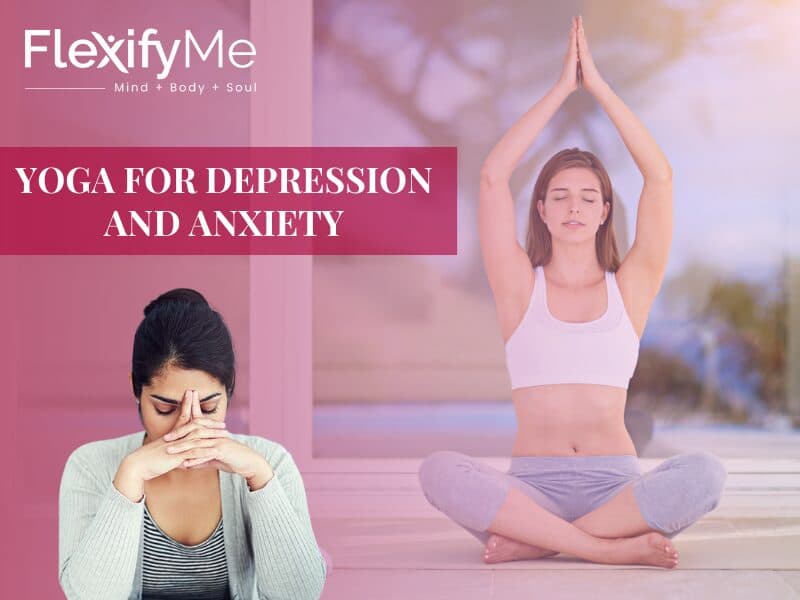
Physician Dr. Kristie Leong has highlighted a study finding that "physical activity is 1.5 times more effective than medications or counseling for managing depression, anxiety, and distress," a claim that lands with particular weight for the yoga community given the growing body of trial data placing the practice on par with pharmaceutical treatment for several mood disorders.
Leong specifically names yoga, Pilates, aerobics, and resistance training as beneficial add-on therapies, a framing echoed across multiple bodies of research. In major depressive disorder, a 2020 study by Guerrera et al. found that yoga was as effective as antidepressant medication and was associated with reduced severity of depressive symptoms and increased treatment remission. A review published in American Family Physician noted that "yoga as monotherapy or adjunctive therapy shows positive effects, particularly for depression," and that as an adjunctive therapy it "facilitates treatment of anxiety disorders, particularly panic disorder."
The trial-level data adds texture to those headline findings. One randomized controlled trial examined 60 minutes of yoga per week over six weeks, comparing participants against a usual-treatment group receiving medication with or without therapy; depression scores significantly improved in the yoga group. Across 22 RCTs analyzed in a separate synthesis, one self-controlled and the rest fully randomized, depression scores were significantly lower in yoga treatment groups than in non-yoga groups. A review by James-Palmer of 27 studies involving youth with different health conditions found that 70% of studies showed significant improvement overall, with 58% of studies specifically assessing anxiety and depression showing benefit.

The benefits extend beyond mood disorders. Xu et al. (2023) found that in patients with mild to moderate Parkinson's disease, a yoga program improved motor dysfunction and mobility, reduced anxiety and depressive symptoms, and improved mental health and quality of life, outperforming both stretching and resistance training programs in that population. Research also points to a mechanistic explanation for why the practice works: yoga postures promote blood circulation and improve sleep, pranayama stabilizes the autonomic nervous system and relieves stress, and mindfulness meditation reduces anxiety while improving concentration.
The American Family Physician review is careful to note that "despite efforts to demonstrate clear replicable positive therapeutic effects of exercise on depression and anxiety disorders, evidence is lacking" for fully consistent, reproducible results across studies. Tai chi and qi gong show inconsistent effects across different populations and methodological designs. The same review recommends exercise specifically as an adjunct to medication in people with treatment-resistant depression, unipolar depression, and PTSD, with the explicit caveat that "additional medication or psychotherapy may be needed."
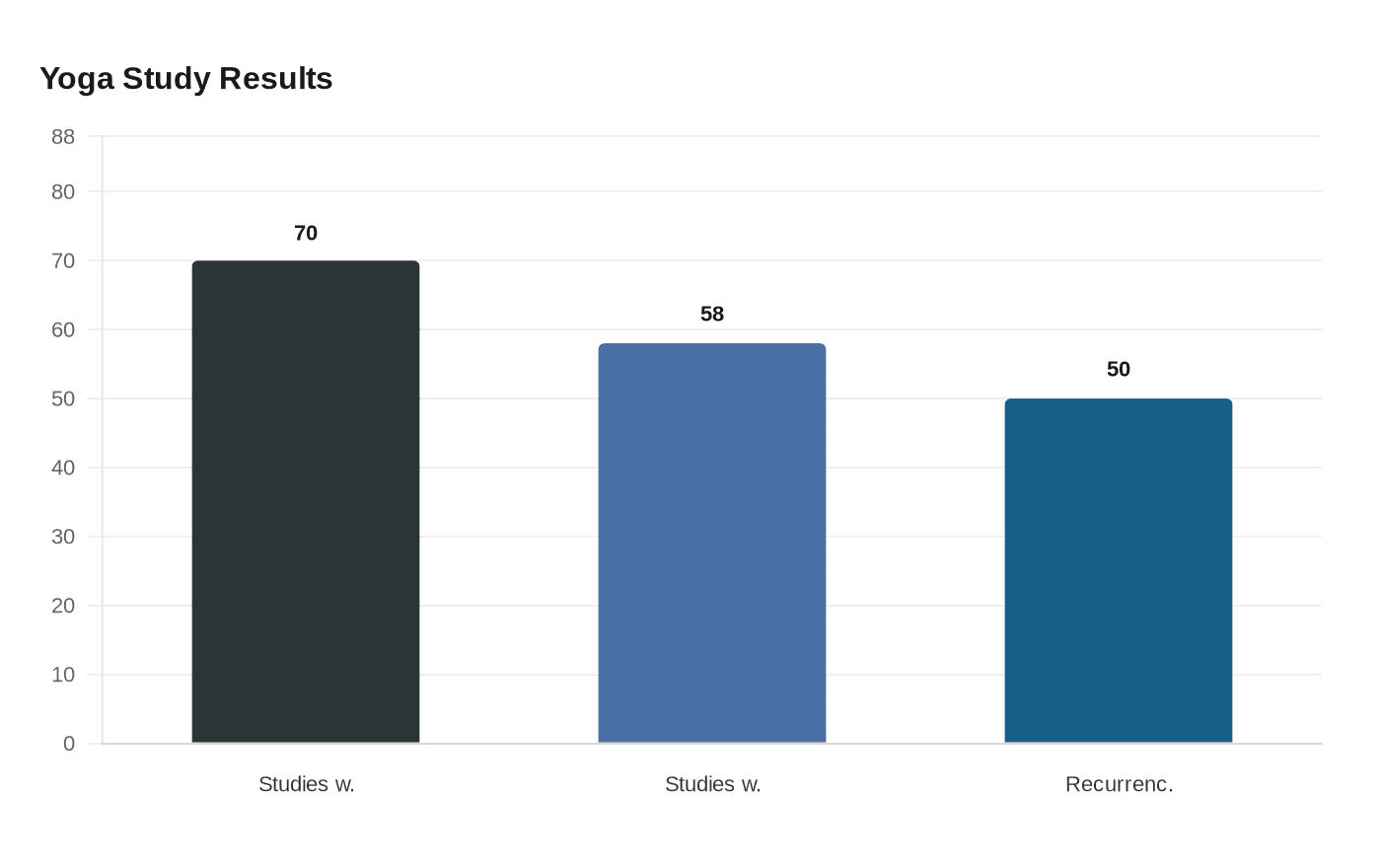
Context around pharmaceutical alternatives sharpens the case for movement-based interventions. For people diagnosed with anxiety- or sleep-related depression, the recurrence risk on antidepressants and benzodiazepines sits at roughly 50%, with side effects that can include dependence and cognitive impairment. On the other side of that ledger, American Family Physician is unambiguous on one point: "No trials have shown that exercise worsens either condition, so it is safe to recommend to patients."
For practitioners who have spent years watching students arrive on the mat carrying anxiety and leave carrying something lighter, the accumulating research is putting clinical language to what the practice has long suggested from the inside.
This article was produced by Prism’s automated news system from verified source data, official records, and press releases, then run through automated quality and moderation checks before publishing. The system is built and supervised by the people who set the standards it runs under. Read our full AI policy.
Did this article answer your question?