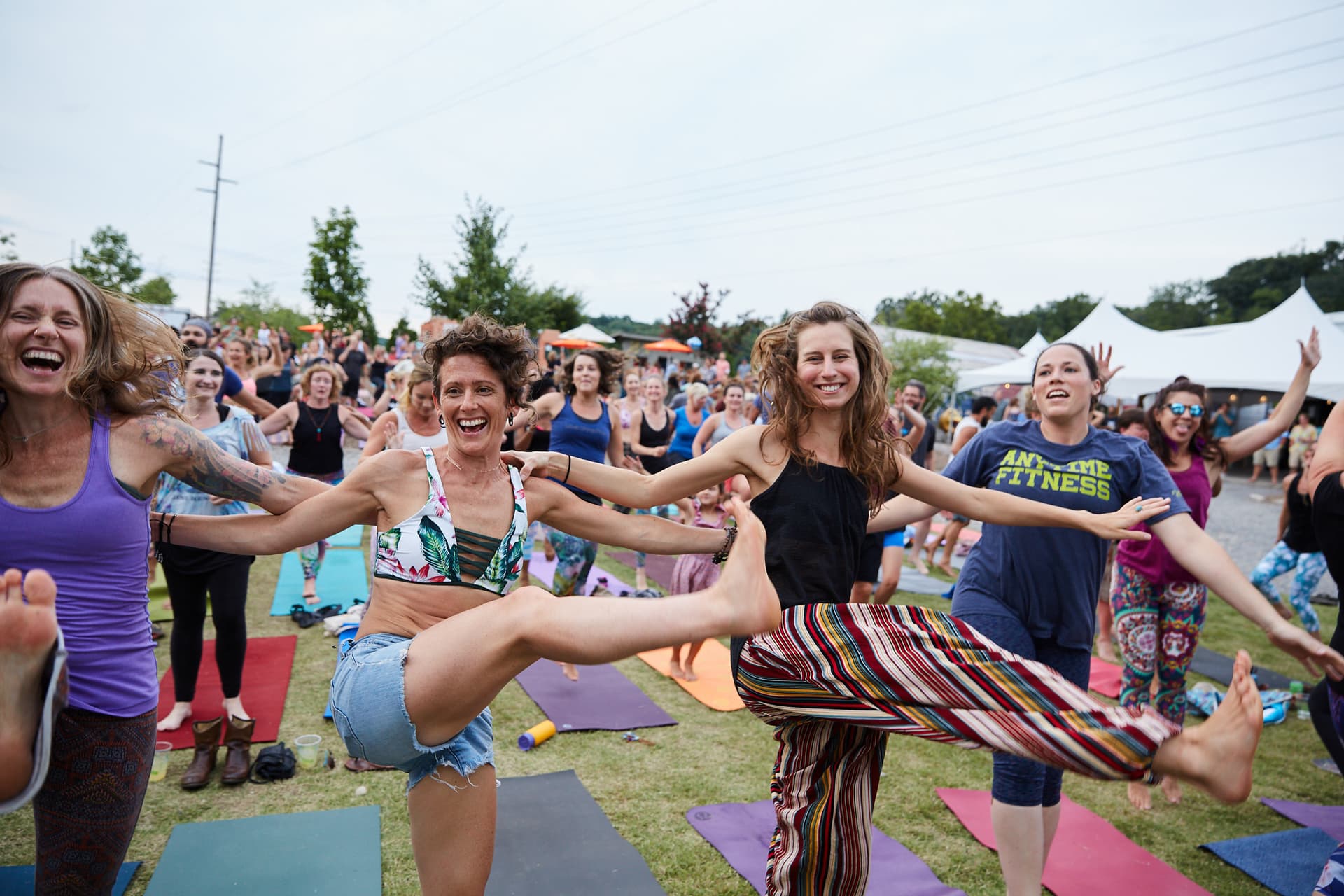
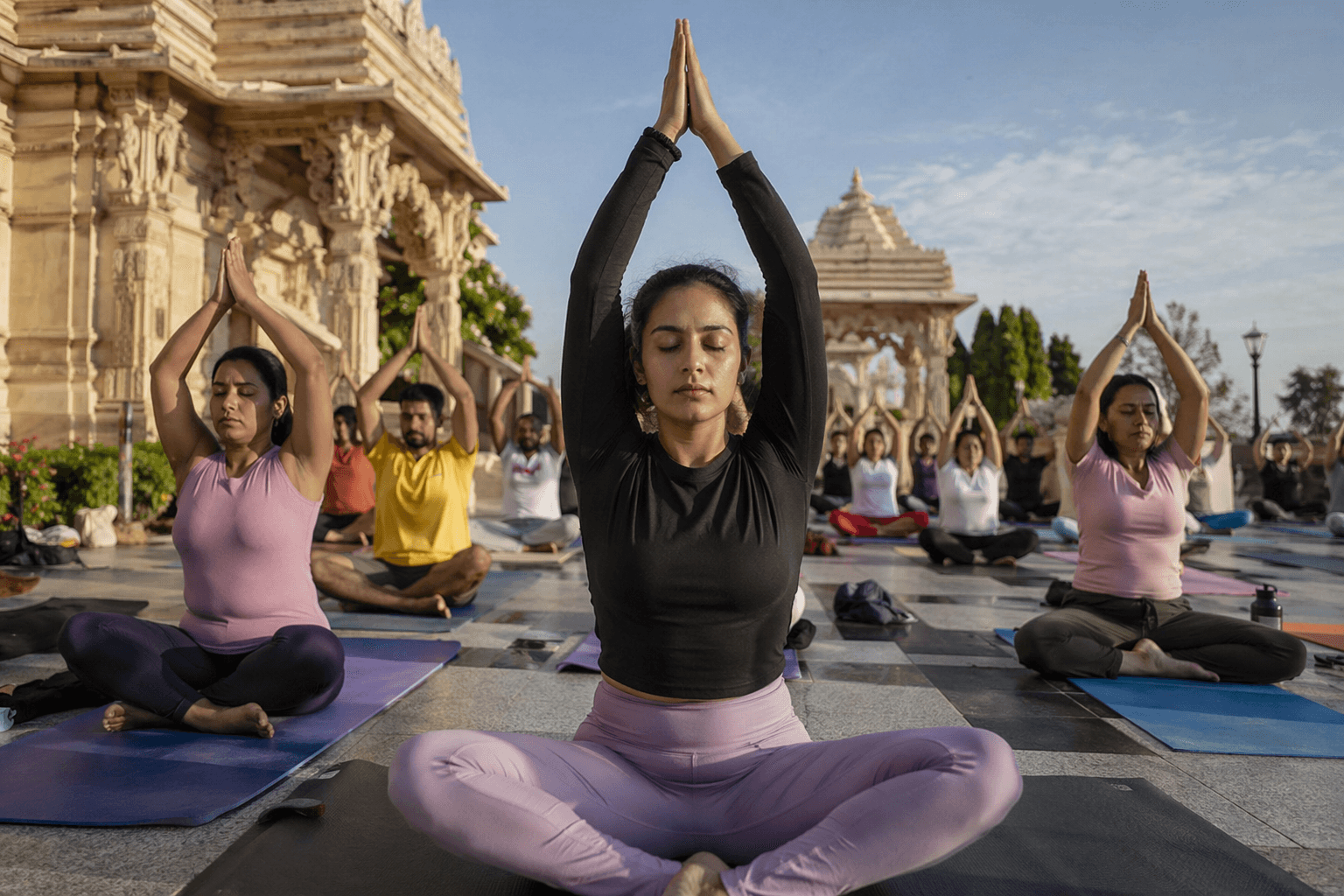
Yoga Journal offers a 15-minute flow to release morning tension
For mornings that feel tight, cluttered, or rushed, Yoga Journal’s 15-minute freeflow leans on spinal waves and hip openers to reset body and mind.
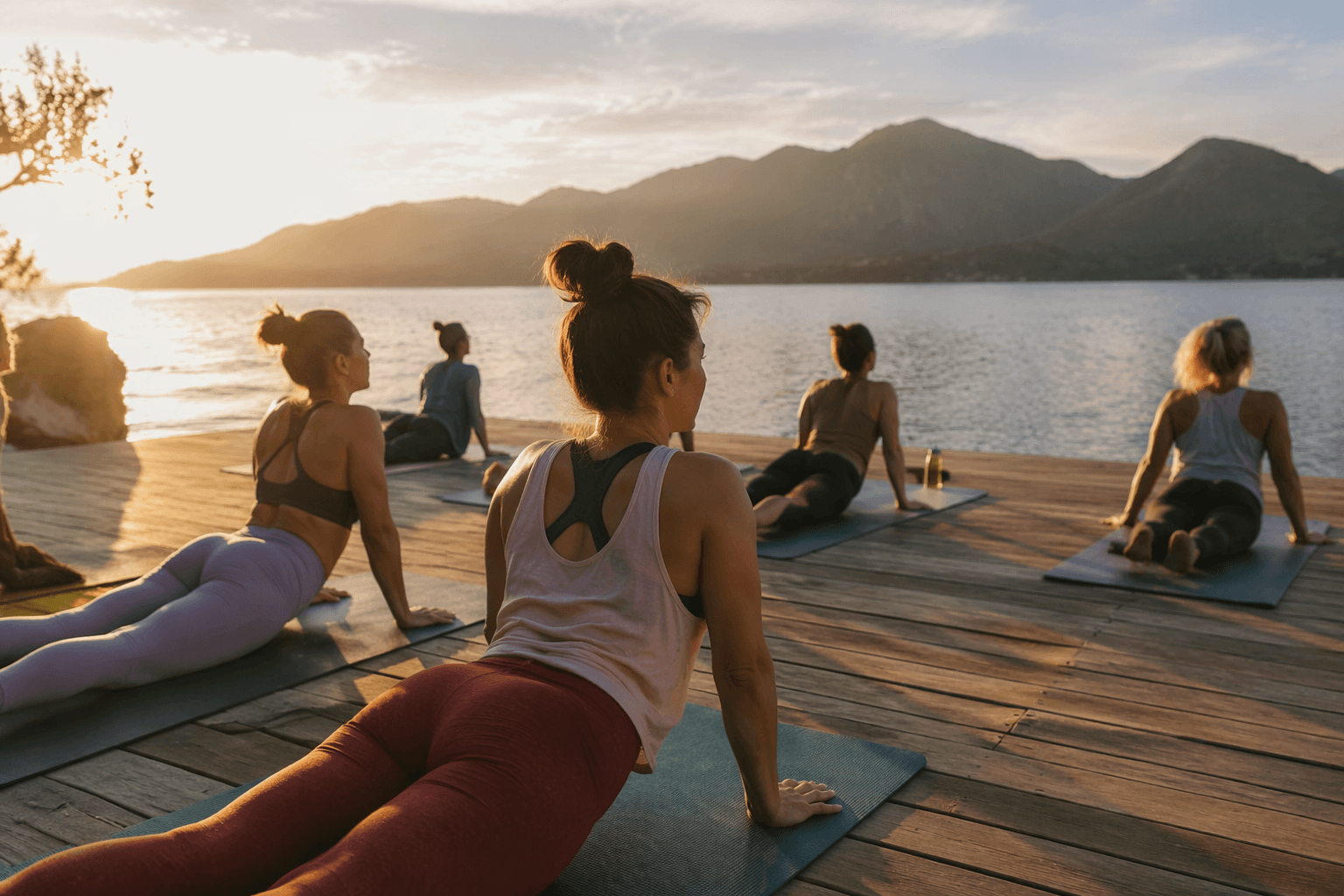
A morning practice for the days that refuse to be managed
Yoga Journal’s short morning sequence is built for the kind of wake-up that does not want a script. It is freeform, fluid, and only about 15 minutes long, which makes it feel less like a performance plan and more like a reset button for bodies that arrive to the day already braced. Instead of asking for a rigid fitness mindset, it invites intuition, mood, and intention to lead.
That framing matters. Some mornings need structure, but others ask for relief first. This practice is especially useful when you wake up stiff, mentally cluttered, or already carrying too much of the day ahead. The appeal is not that it is intense. The appeal is that it is realistic.
Why this flow feels different from a strict routine
The sequence centers on intuitive movement, spinal waves, and dynamic hip openers. Those elements give the practice a loose shape without turning it into a checklist, and that is part of the point. When you individualize each shape, you are encouraged to notice your own tight spots, your own edges, and the places where your body wants space rather than force.
That self-direction also changes the emotional tone of the practice. Yoga Journal’s approach suggests that when the body opens, the mind may follow, loosening mental blocks and sticky thought patterns along with the hips and spine. It is a useful reminder that not every morning practice has to be about productivity. Some are simply about arriving in your body without friction.
What the 15 minutes is asking your body to do
The sequence is built to move the spine in waves and the hips through dynamic opening, which makes sense for the way tension often collects overnight and into the early hours. Hip-focused movement is especially relevant if long sitting is part of your life, since Yoga Journal’s hip-openers coverage notes that time in chairs, cars, and on couches can leave the hip flexors tight and the lower body stiff. A brief, responsive flow can meet that discomfort before it turns into a whole-body drag.
Yoga Journal also makes the practice accessible by keeping the setup simple. No props are required, just space to move and a willingness to explore. If you want more support, blocks work, but so do household stand-ins like a pillow or a stack of books. That detail makes the sequence feel lived-in, not studio-perfect.
How the practice fits the body and the nervous system
The appeal of this flow is not only muscular. The Centers for Disease Control and Prevention notes that some benefits of moderate-to-vigorous physical activity for brain health happen right after a session, and that adults can experience reduced short-term feelings of anxiety. That lines up well with a short morning practice meant to clear out pressure before it calcifies into the day.
The National Center for Complementary and Integrative Health describes yoga as a practice that combines physical postures with breathing techniques and relaxation or meditation. It also says yoga may help improve wellness by relieving stress and supporting mental and emotional health, sleep, and balance. In that context, a 15-minute freeflow is not a watered-down version of yoga. It is a very direct way to use movement, breath, and attention to shift your state.
Why hips keep showing up in the conversation
There is a reason hip openers keep appearing in modern yoga guidance: they are practical. Yoga Journal’s recent coverage on hip-focused work points out that even a few minutes of simple hip stretches can bring major relief, with benefits that may include flexibility, mobility, posture, stability, and stress relief. For people who wake up feeling compressed, those effects are not abstract.
This is also where the practice’s anti-optimization spirit becomes clear. The goal is not to chase a perfect shape or force a deeper range. It is to notice what the hips, spine, and breath are asking for, then respond with enough space to make the morning feel possible. That is a very different promise from a hard-edged routine that treats every day the same.
The broader yoga picture behind the sequence
Yoga Journal’s flow sits inside a much larger story about yoga’s role in everyday life. NCCIH says many people practice yoga for well-being and fitness, to help control stress, or to manage or prevent a health problem. It also describes yoga as an ancient practice with modern benefits, which is a useful way to understand why this kind of short sequence resonates so widely.
The numbers back up that growth. According to U.S. survey data cited by NCCIH, yoga use among adults rose from 9.5% in 2012 to 14.3% in 2017, making it the most commonly used complementary health approach among adults in those years. Among adults age 65 and over, participation rose from 1.3% in 2002 to 6.7% in 2017. Yoga is no longer a fringe add-on to fitness culture. It is part of the mainstream language of self-regulation, recovery, and daily care.
What the research says about stress and fluid movement
The logic behind this sequence is also supported by newer research summaries. A 2024 Frontiers study concluded that dynamic yoga with fluid movement and synchronized breathing can be effective for stress management and relief. That makes the emphasis on spinal waves and flowing transitions feel especially well chosen.
Other health guidance points in the same direction. Harvard Health has noted that yoga and meditation may improve executive function and mood, and Johns Hopkins Medicine highlights yoga’s usefulness in balance issues and chronic pain contexts, while also noting that slow movements and deep breathing increase blood flow and warm muscles. Put together, these sources help explain why a short, responsive practice can feel so effective even when it looks modest on paper.
A small practice for a specific kind of morning
This is the kind of flow to reach for when the day begins with stiffness in the body, static in the mind, or both at once. It is not built for perfection, and it does not ask for a polished mat setup or an ambitious goal. It is built for the moments when you need to move without managing, and when 15 unrushed minutes can do more for the morning than a more elaborate plan.
If the day starts with pressure in the hips, tension in the spine, or the feeling that your thoughts are already too crowded, this is the kind of sequence that can soften the edges. Roll out the mat, use a pillow if you need it, and let the first 15 minutes belong to release rather than performance.
This article was produced by Prism’s automated news system from verified source data, official records, and press releases, then run through automated quality and moderation checks before publishing. The system is built and supervised by the people who set the standards it runs under. Read our full AI policy.
Did this article answer your question?