Yoga Mat Buyer's Guide: Top Picks, Materials, Thickness, Care
Save time choosing a mat with top picks, material trade-offs, thickness guidance and care tips for vinyasa, travel and restorative practice.
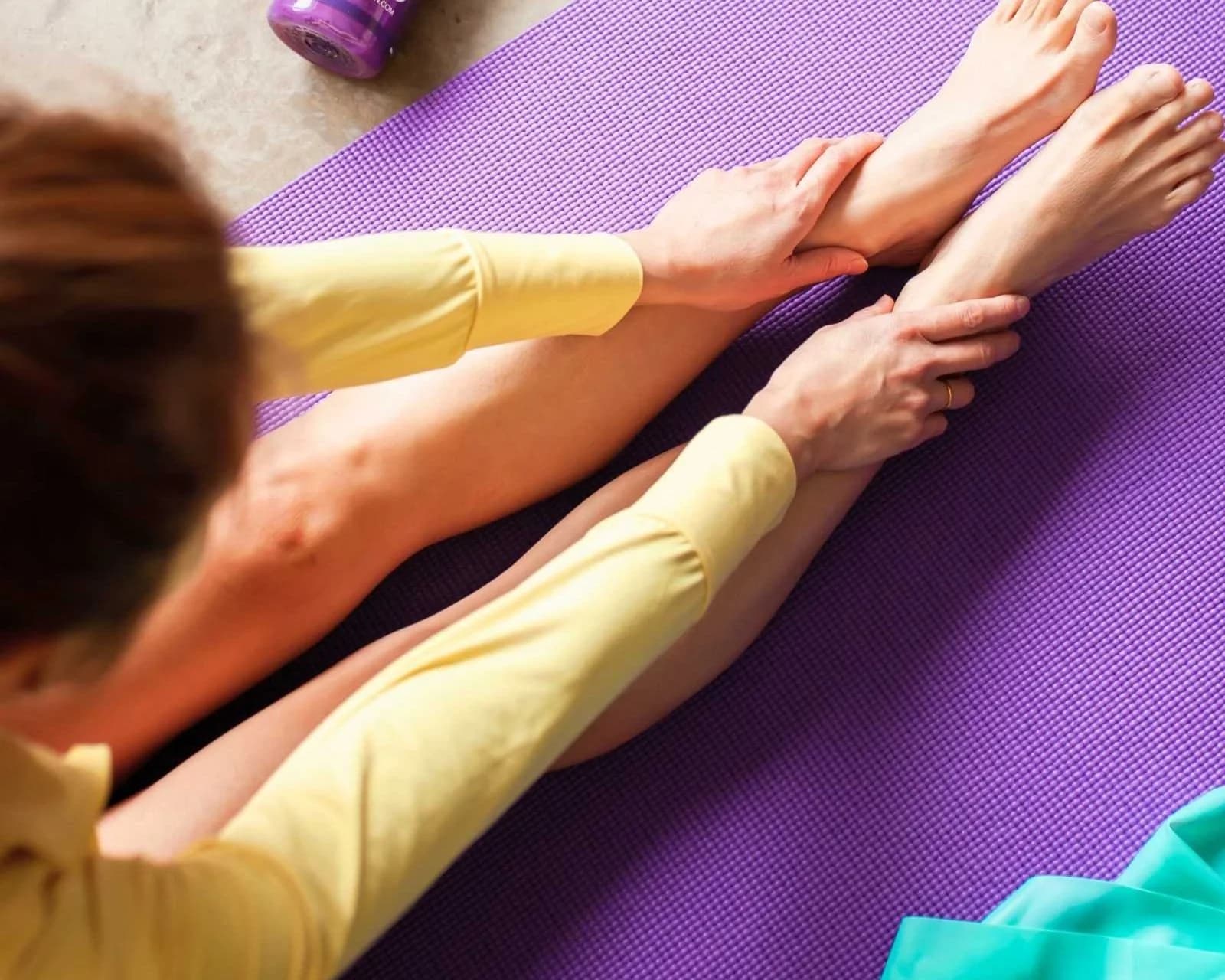
Lululemon The Mat emerges as a top pick for overall use, combining reliable grip and durable construction for everyday practice. This guide compares leading yoga mats across grip, cushion, durability, material, portability and eco credentials so you can match a mat to your style of practice rather than guessing at marketing claims.
Material matters first. Natural rubber and cork-based mats lead on eco credentials and often provide excellent traction as sweat builds, but natural rubber carries latex allergy risk and cork can be heavier. PVC remains the budget go-to for long-lasting stickiness and low cost, yet it scores poorly for sustainability. TPE offers a middle ground with lighter weight and better recyclability than PVC, but it can vary in grip. Verify material labels before buying if you have a latex sensitivity.
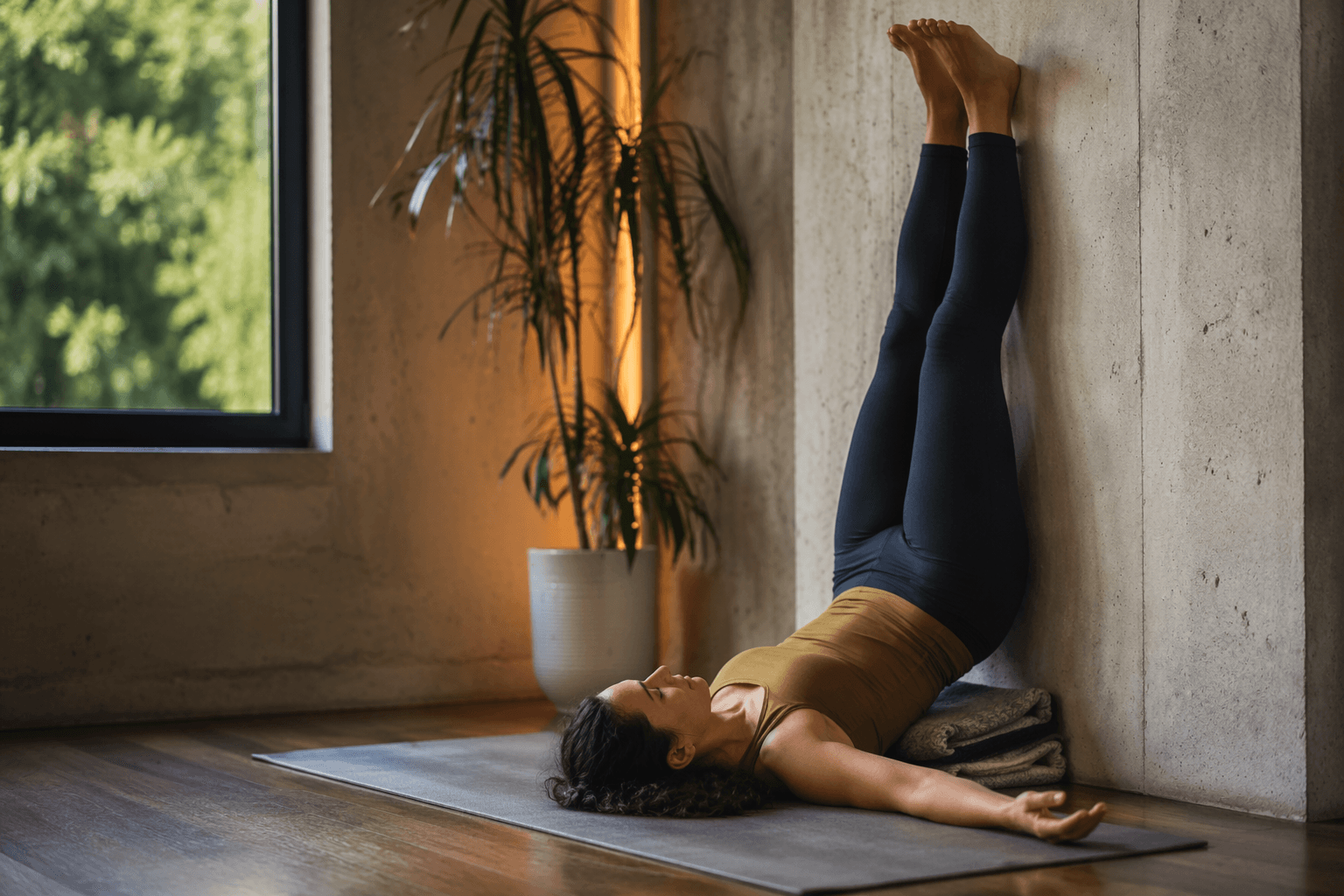
Thickness determines how a mat feels underhand and knee. Choose a travel mat in the 1-3 mm range when portability and firm connection matter - experienced practitioners and those who move through fast vinyasa sequences often prefer these thin, lightweight options. A mat around 4 mm delivers balanced cushioning for most general practice and studio classes. Select 6+ mm if you need extra padding for restorative, yin practice or joint support during floor work. Thicker mats improve shock absorption for knees and hips but can reduce stability for standing balances and arm balances.

Grip and durability go hand in hand. Open-pore natural rubber and cork often develop a better non-slip surface with use, while PVC can remain sticky from day one. Expect heavier, denser mats to resist compression and last longer under frequent practice. For travel, prioritize weight and roll size; ultralight mats sacrifice padding but save space in a carry-on.
Care extends mat life and preserves grip. Wipe down after practice to remove sweat and oil, air dry fully before storage, and avoid prolonged wet storage which encourages mildew and material breakdown. Use gentle cleaners or a diluted vinegar solution for cork and natural rubber; avoid harsh solvents on any mat. Store mats rolled with the top side out to reduce curling edges.
Budget choices exist that balance grip and durability if you accept compromises on weight or eco-credentials. Match decisions to the way you practice: vinyasa and hot classes reward grip and breathability, restorative practice rewards thicker, softer foam, and frequent travelers need compact, quick-drying materials.
This buyer’s guide is meant to help you pick the right foundation for your practice. Prioritize material safety if you have allergies, pick thickness based on how much joint support you need, and follow simple care steps to keep a mat sticky-side down when it matters most.
This article was produced by Prism’s automated news system from verified source data, official records, and press releases, then run through automated quality and moderation checks before publishing. The system is built and supervised by the people who set the standards it runs under. Read our full AI policy.
Did this article answer your question?