Yoga outperforms Ayurveda in trial for insomnia relief
A 120-person trial found yoga beat Ayurveda and control for insomnia relief, with better sleep, less stress and sharper cognition after 48 days.
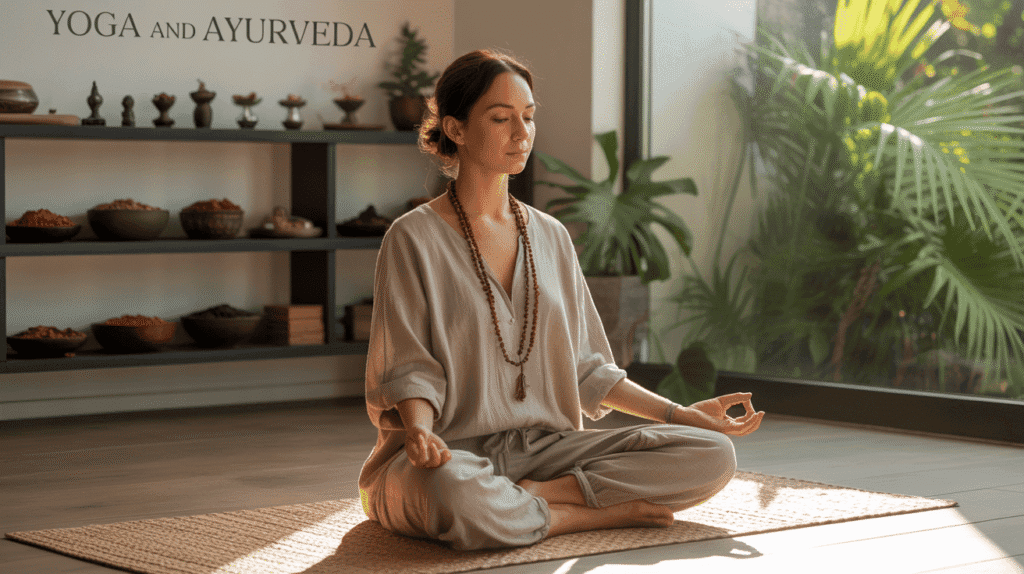
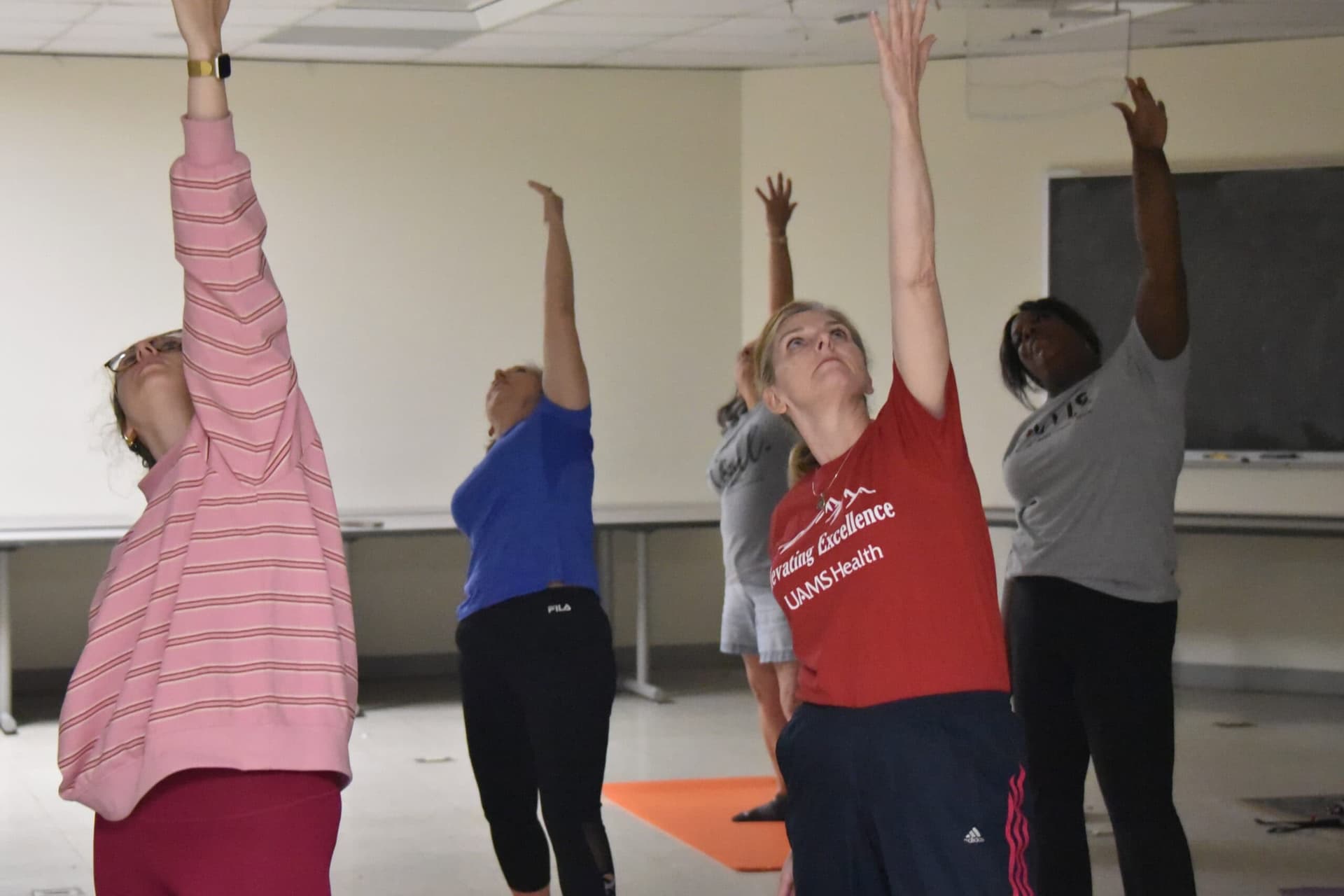
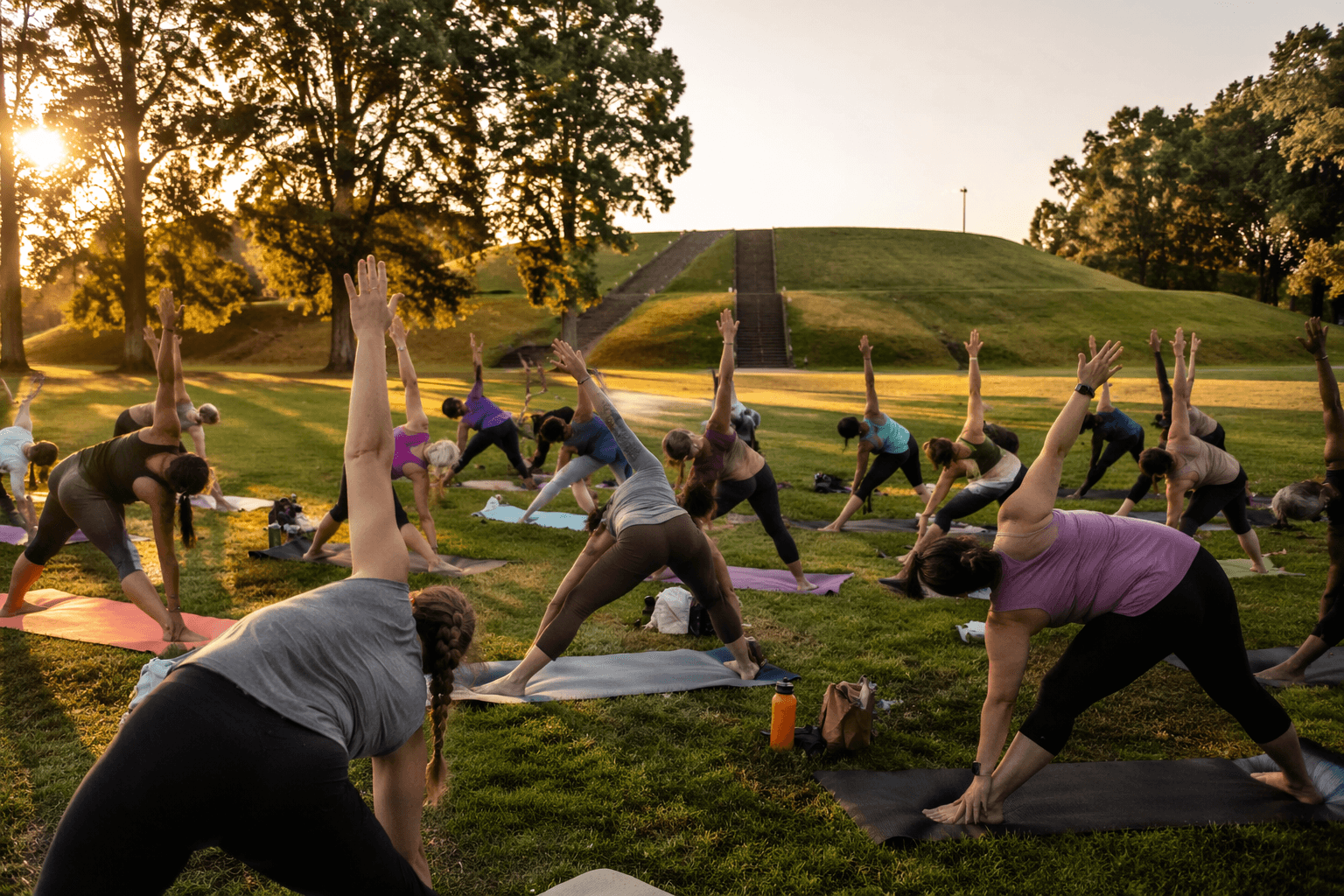
Yoga came out on top in a head-to-head insomnia trial that put a familiar mat-based practice against an Ayurveda routine called Nasya Karma. In the 48-day study, 120 adults ages 18 to 45 with DSM-5 insomnia were split evenly into yoga, Ayurveda and control groups, and the yoga group showed the strongest gains in sleep quality, stress reduction, cognitive function and quality of life.
The open-label randomized controlled trial, led by a team including Kanika Verma, Deepeshwar Singh, Alok Srivastava, Karuna Datta, Manjari Tripathi, Mansi Verma, Deepika Masiwal, Hrudra Nanda Mallick and Uzma Kazmi, measured participants on day 1 and again on day 48. Of the original 120, 112 were analyzed per protocol. Researchers used the Pittsburgh Sleep Quality Index, the Perceived Stress Scale, the Cognitive Failure Questionnaire and WHOQOL-Brief, and found significant mean differences across all five quality-of-life domains and all three cognitive-failure domains.
The basic pattern was clear: both yoga and Ayurveda helped, but yoga helped more. That matters because insomnia is not just about a bad night’s rest. The study notes that it is linked to a higher risk of neurocognitive dysfunction and psychiatric disorders, and broader sleep-medicine guidance still places cognitive behavioral therapy for insomnia, or CBT-I, as the first-line nonpharmacologic treatment for chronic insomnia in adults.
That makes the real-world question less about whether yoga can help at all and more about where it fits. The new data suggest a structured yoga practice may be a useful add-on for people already working on sleep hygiene or CBT-I, while Ayurveda’s Nasya Karma approach may offer a smaller but still measurable benefit. What the study cannot prove is long-term superiority, because it was open-label, relatively short and limited to adults 18 to 45. It also cannot show that either approach should replace standard insomnia care.
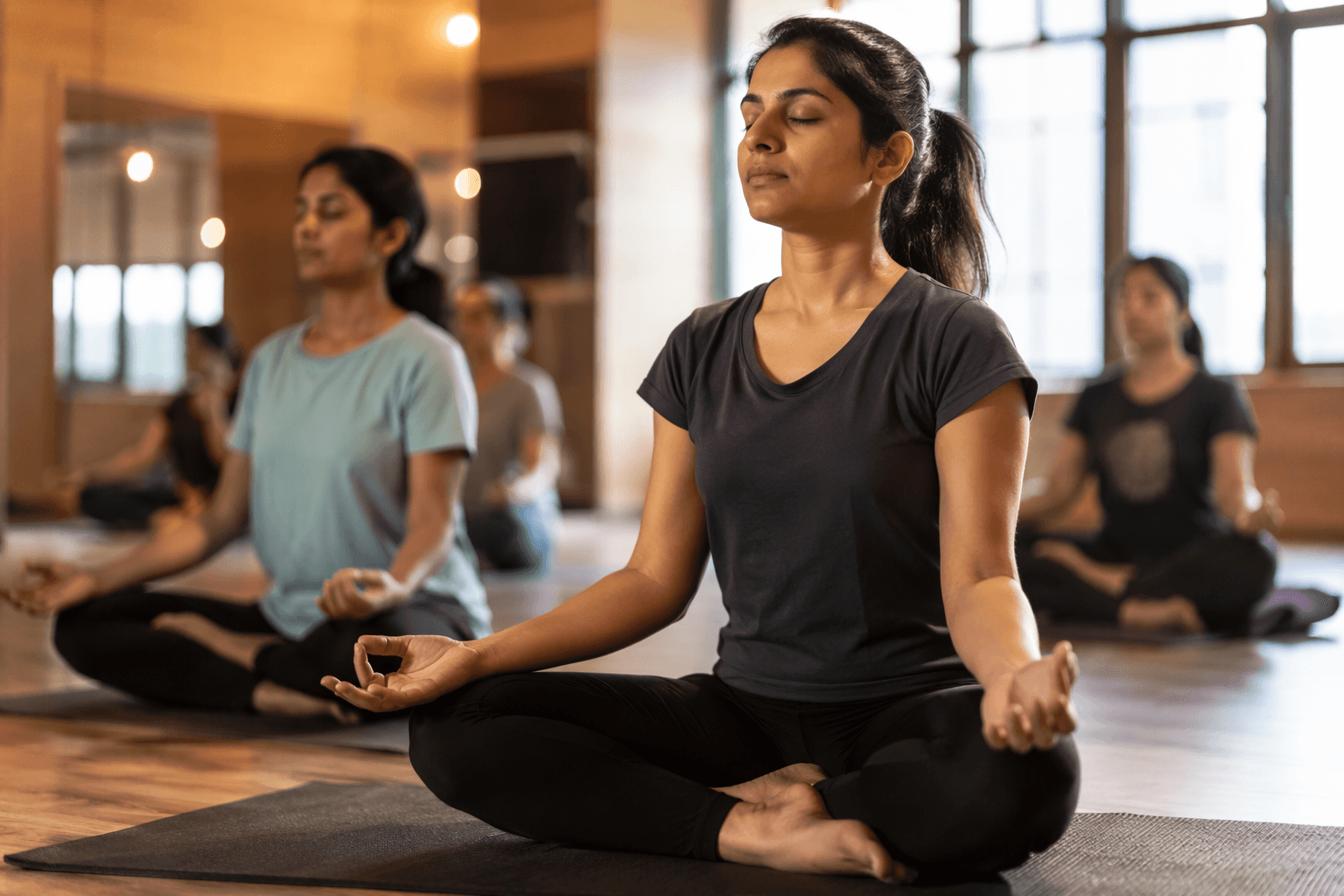
The trial fits a growing line of sleep research in India, where insomnia has been described as a major public health concern and a 2023 meta-analysis estimated prevalence at 25.7%. It also follows a 2021 randomized parallel-design study of yoga nidra in 41 patients with chronic insomnia, where both yoga nidra and CBT-I improved sleep outcomes, and yoga nidra was linked to better subjective sleep, longer total sleep time, less total wake duration and a statistically significant drop in salivary cortisol.
For yoga practitioners testing these approaches in practice, the message is straightforward: start with the strongest evidence-backed care you can access, then treat yoga as a structured support, not a substitute. The 48-day trial suggests that kind of layered approach is where the real promise begins.
Know something we missed? Have a correction or additional information?
Submit a Tip