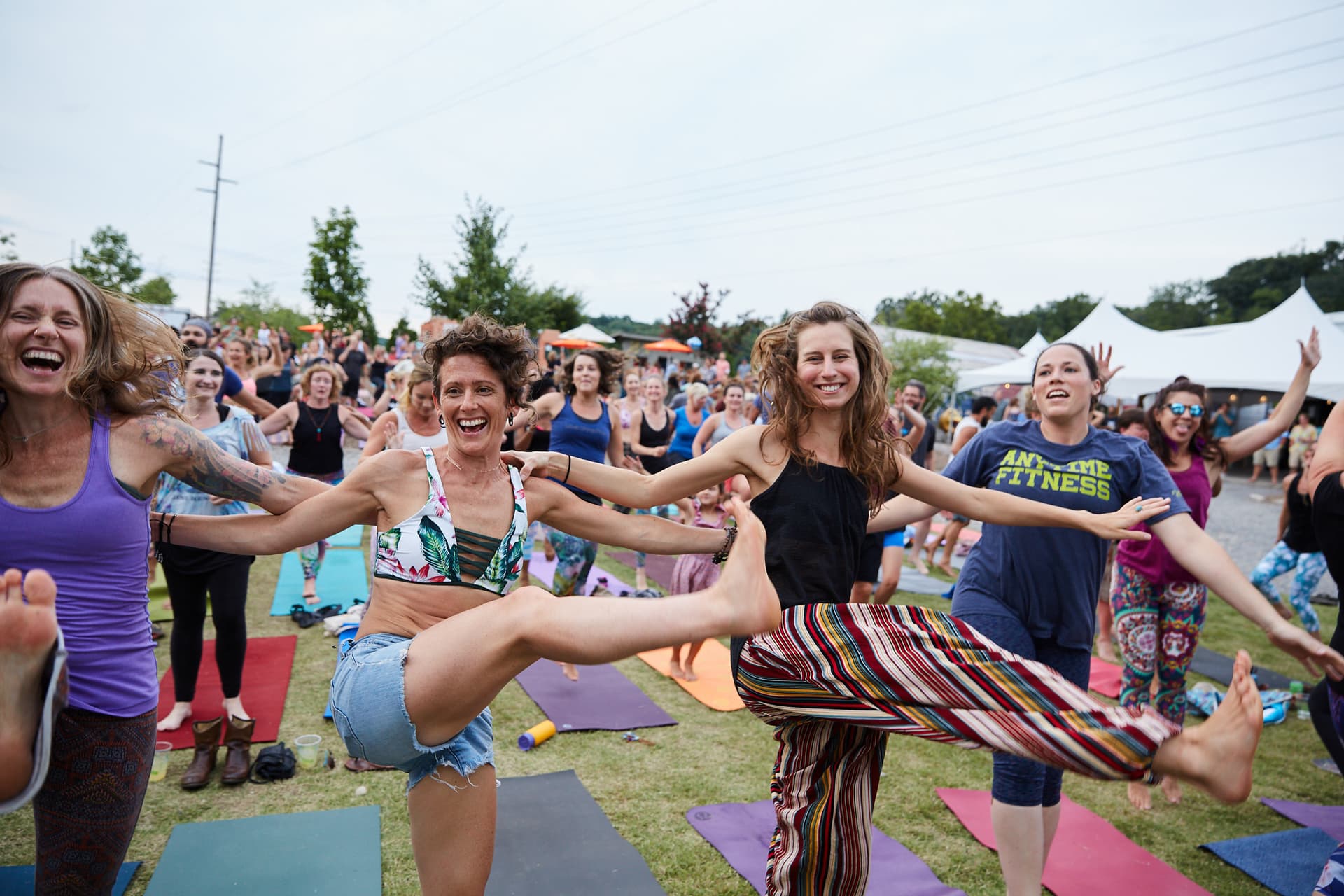
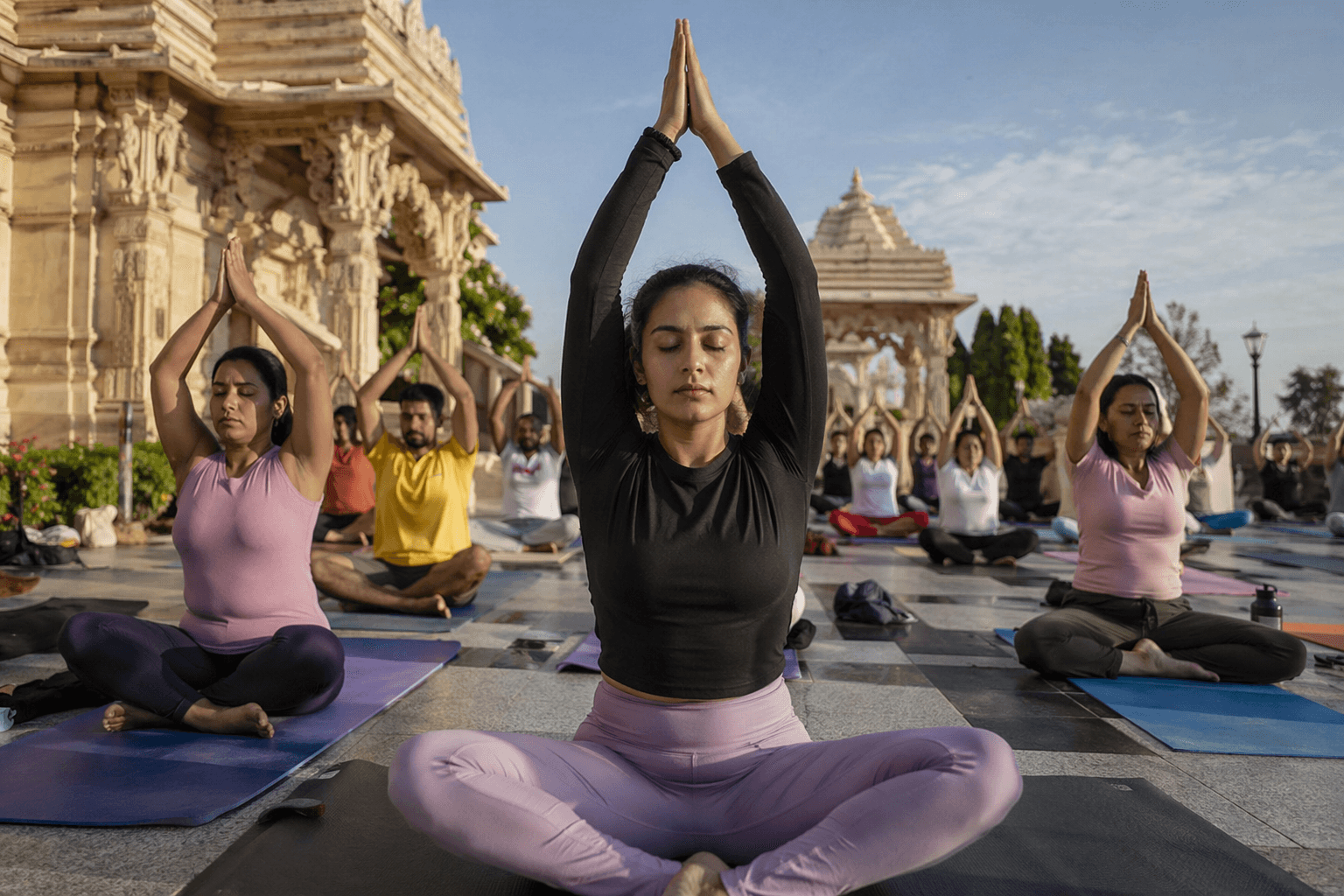
Yoga poses turn everyday moments into mindful practice
Standing poses can turn a line, commute, or work pause into real practice. The trick is making yoga part of the gaps in your day, not only the time you unroll a mat.
The practice between the appointments
Yoga gets easier to keep when it stops depending on a perfect setup. Yoga Journal’s standing-poses guide pushes that idea straight into ordinary life, where you are already waiting in line, commuting, running errands, or catching a breath between tasks. The point is not to squeeze in a full session every time, but to use small standing poses as a way to stay present, move a little, and reconnect with the breath.
That shift matters because consistency is built from more than discipline alone. The guide frames steady practice around confidence, commitment, and behavioral flexibility, which is a smart way to think about habit design in yoga. When the practice can fit into a pause at the bus stop or a few quiet seconds at a standing desk, it becomes much easier to repeat, and repetition is what turns a good intention into something sustainable.
Mountain Pose as the anchor
Mountain Pose sits at the center of this approach because it looks simple and does so much work. Yoga Journal describes it as a deceptively simple shape that emphasizes length, alignment, and upright awareness, and its standing-poses library notes that it helps people ground and build strength. It also often serves as a starting or transition pose, which makes sense: before you move anywhere else, you check in with the ground under your feet and the line of your spine.
That is what makes Mountain Pose useful in the middle of the day. You do not need a silent room or a long warm-up to use it well. A moment of standing attention, even in a crowded, ordinary place, can reset posture and bring the body back online without broadcasting that you are “doing yoga” at all.
Tree Pose, made public-friendly
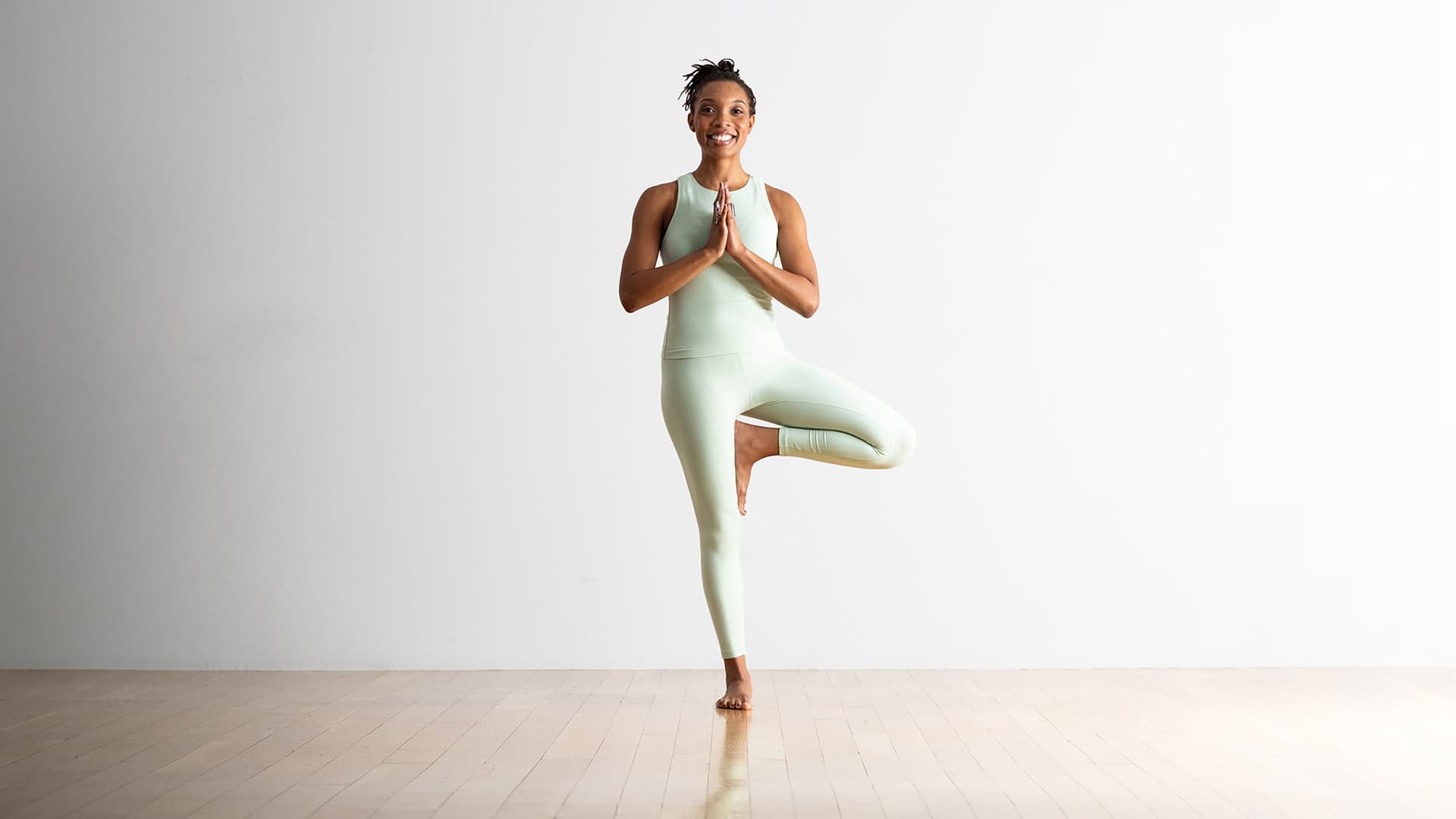
Tree Pose is the next step in this quiet, portable style of practice. Yoga Journal describes it as a one-legged balancing option that can be explored anywhere, including at a kitchen sink or standing desk, by placing the foot against the ankle, knee, or thigh. That flexibility is the real story here, because it turns a pose that might look studio-specific into something you can use in the middle of a normal day.
The value is partly physical and partly social. Tree Pose asks for steadiness, but it does not require a dramatic stance or much space, so it fits naturally into small breaks without drawing attention. In a world where so many people move through their day in fragments, a quiet balance pose can be a useful reminder that practice does not have to wait for a formal appointment with the mat.
Eagle Arms for the moments in public
Yoga Journal also points to Eagle Arms as a discreet public-facing variation for anyone who wants the benefits of an upper-body twist without the full, more conspicuous pose. That detail gives the whole guide its urban, everyday feel. You can stand in an office, pause at a transit stop, or take a breath before the next errand without feeling like you need space, privacy, or a performance mindset.
This is where standing yoga becomes more than a set of shapes. It becomes a way to keep the body from going numb in long stretches of sitting, standing, or rushing. A brief shoulder wrap and release can be enough to remind you that yoga is not only a studio ritual, it is also a portable reset that can travel with you.
Why the small practice still counts
The broader case for this style of yoga is backed by health guidance that points to real benefits. The National Center for Complementary and Integrative Health says research suggests yoga may improve general wellness by relieving stress and supporting mental and emotional health, sleep, and balance. Harvard Health adds that yoga postures can reduce muscular tension, build flexibility and strength, add bone strength, improve balance, and trigger the relaxation response.
That makes these brief standing moments more than a cute productivity trick. They work because they deliver some of the same ingredients that longer practices aim for, just in smaller doses that are easier to repeat. A few breaths in Mountain Pose or a short balance in Tree Pose may not replace a full class, but they can keep your body engaged and your mind a little clearer between the bigger sessions that anchor your week.
A practice that fits real life, and aging bodies too
The numbers show how much yoga has moved into the mainstream. The Centers for Disease Control and Prevention reported that 16.9 percent of U.S. adults age 18 and older practiced yoga in the past 12 months in 2022. The National Center for Complementary and Integrative Health also notes that participation among U.S. adults age 65 and older rose from 1.3 percent in 2002 to 3.3 percent in 2012 and 6.7 percent in 2017, a steady climb that reflects a broader appetite for movement that feels both accessible and useful.
That matters because older adults are also advised to keep aerobic, muscle-strengthening, and balance work in the weekly mix. The U.S. Preventive Services Task Force recommended exercise interventions in 2024 to help prevent falls in adults 65 and older who are at increased risk, and that makes standing yoga feel especially relevant. It is low-friction, easy to fold into the day, and closely aligned with the kind of balance and mobility work that healthy aging depends on.
The clearest lesson in Yoga Journal’s guide is that standing poses do not have to be saved for the rare stretch of time when everything is perfectly arranged. The next line, commute, or errand can become a practice space the moment you plant your feet, lengthen upward, and choose a few breaths over autopilot.
This article was produced by Prism’s automated news system from verified source data, official records, and press releases, then run through automated quality and moderation checks before publishing. The system is built and supervised by the people who set the standards it runs under. Read our full AI policy.
Did this article answer your question?