AGTA Highlights Aquamarine for March 2026, AGS Also Names Bloodstone
AGTA’s March 2026 month‑feature spotlights aquamarine with a gallery of rings, earrings and pendants; the American Gem Society names both aquamarine and bloodstone as March birthstones.
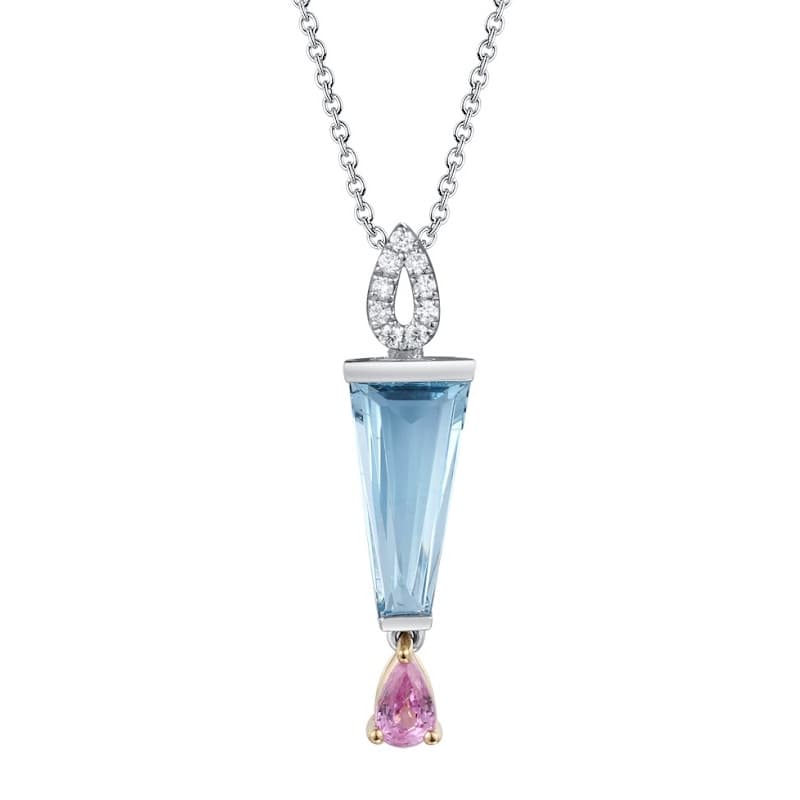
AGTA’s March 2026 month‑feature highlighted aquamarine and showcased notable aquamarine pieces from member designers and cutters, presenting example items such as earrings, rings and pendants and pointing readers to designer credits that include Vora Gems and a truncated listing beginning “Trés,” the association published March 3. The visual emphasis in AGTA’s gallery places the sea‑blue beryl at the center of this month’s editorial presentation, with member submissions selected to illustrate contemporary ways the gem appears in finished jewelry.
The American Gem Society frames March differently, explicitly listing two birthstones and stating, “There are two stunning birthstones for March: aquamarine and bloodstone.” The AGS page further notes that “both gemstones are very different from one another in appearance, yet they each make beautiful jewelry pieces,” setting a clear, comparative context for buyers and collectors weighing a cool beryl against an earthier gem.
Aquamarine’s technical profile is well documented on the AGS page: “The serenely colored aquamarine invokes the tranquility of its namesake, the sea,” and its name comes from the Latin aqua and marina. Color and clarity range from pale sky‑blue to deep oceanic tones, with deeper colors, especially in larger stones, increasing value. The page lists primary sources—mined mainly in Brazil, with occurrences in Nigeria, Madagascar, Zambia, Pakistan and Mozambique—and gives a Mohs hardness of 7.5–8, noting its membership in the beryl family alongside emerald and morganite. AGS specifies common cuts—emerald, oval and pear—and jewelry usage, citing rings, pendants and earrings; it also flags routine practice that aquamarine is “often heat‑treated to enhance blue tones” and that it is “safe for ultrasonic and steam cleaning unless fracture‑filled.”

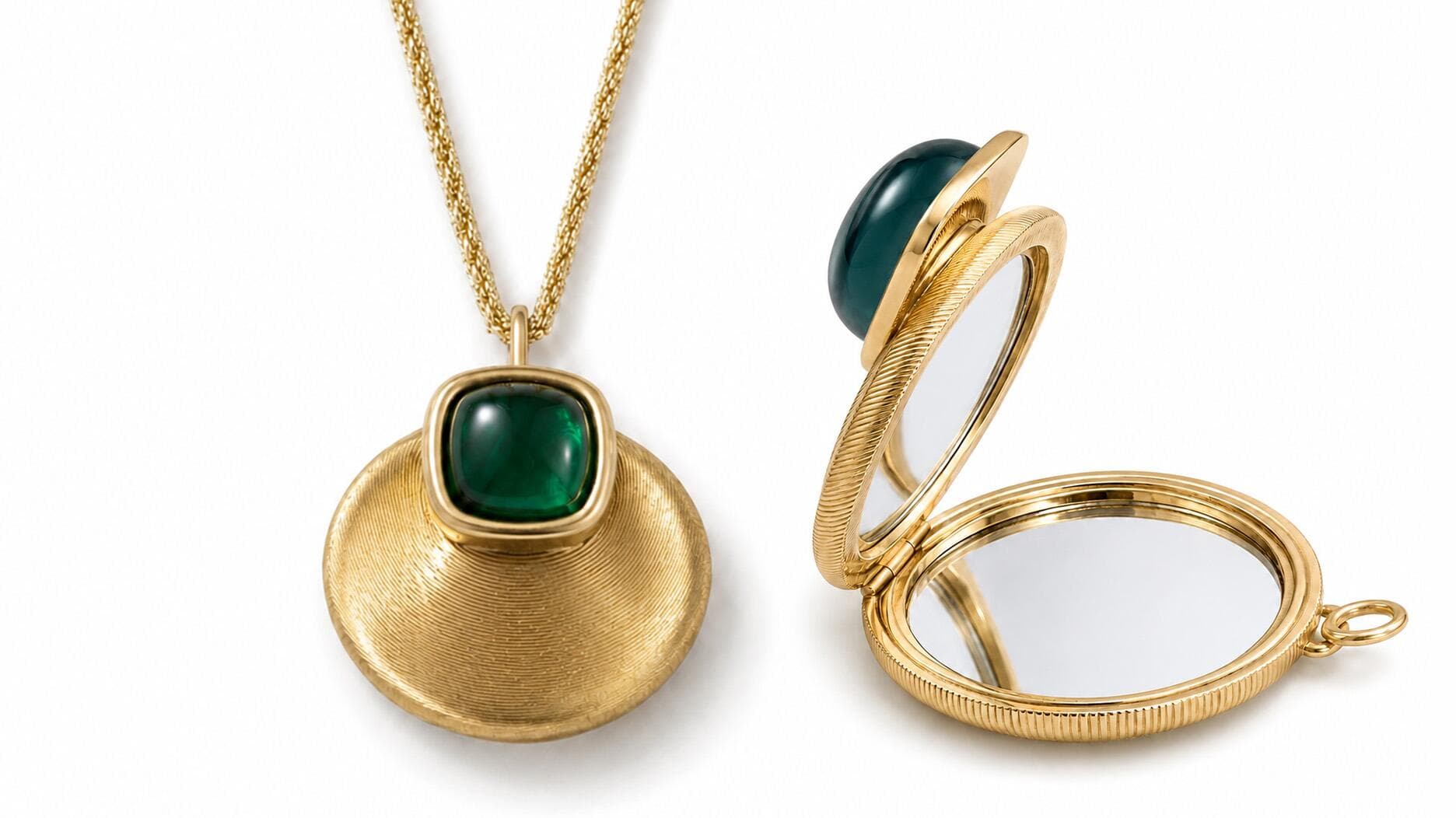
Bloodstone, the second March gem on the AGS page, is described in plain, mineral terms: “a dark‑green gemstone flecked with vivid red spots of iron oxide,” also called heliotrope. AGS lists primary origins as India, Brazil and Australia, and explains that bloodstone is “generally found embedded in rocks or in riverbeds as pebbles.” As a quartz variety with Mohs hardness around 7, bloodstone is “suitable for everyday jewelry,” and its conventional forms are cabochons and beads. The page records its symbolic associations—vitality, protection and ancient healing powers—making it as much a statement gem as a material one.
Taken together, AGTA’s March 2026 visual spotlight on aquamarine and the American Gem Society’s dual listing present March as a month of two distinct jewelry vocabularies: the translucent, heat‑treated blues of beryl fashioned into emerald, oval and pear cuts, and the tactile, cabochon‑ready greens and reds of heliotrope sourced from India, Brazil and Australia. For buyers and collectors weighing durability and design, the AGS technical notes—Mohs 7.5–8 for aquamarine versus Mohs ~7 for bloodstone—offer practical choices, while AGTA’s gallery demonstrates how contemporary designers are translating aquamarine’s range into wearable rings, earrings and pendants this spring.
This article was produced by Prism’s automated news system from verified source data, official records, and press releases, then run through automated quality and moderation checks before publishing. The system is built and supervised by the people who set the standards it runs under. Read our full AI policy.
Did this article answer your question?