Amethyst’s Color, Origins and Cuts: Historical Uses and Buying Advice
Amethyst ranges from pale lilac to deep, inky violet; choose origin and cut, emerald or cushion, to maximize depth and durability for a lasting birthstone investment.

Amethyst arrives at the jewelry bench with a single, unmistakable asset: color. This guide, informed by the February 23, 2026 spotlight on the gem, maps color, origin, favored contemporary cuts (emerald and cushion), historical uses and clear buying steps so you can choose a piece that reads as both jewel and story.
1. Color: the language of violet and why it matters
Amethyst’s value and presence are governed first and foremost by hue, tone and saturation; the February 23, 2026 spotlight emphasizes these variations as the primary determiners of desirability. Color ranges from pale lilac to rich, saturated violet and, at its best, displays a deep purple with slight red or blue secondary flashes that give the stone visual warmth or coolness. Evenness of color across the table and pavilion is critical, patchy or brownish tones diminish vibrancy, so examine the whole girdle to ensure consistent saturation. In jewelry, deeper, evenly saturated stones read larger and more luxurious, which is why cutters and buyers focus on maximizing true purple rather than mere size.
2. Origins: where amethyst’s color is born
The article notes common origin sources as central to the gem’s character; historically and today, specific localities impart recognizable qualities to the stone. Some regions produce larger, paler material well suited to beads and mass-market pieces; others yield small parcels of intensely saturated crystals prized by designers for single-stone settings. Origin affects crystal size, zoning and the likelihood of heat treatments; provenance labels therefore matter when a dealer can document a parcel. When a seller cites origin, consider it alongside color and cut, an intense violet from a noted locality will usually command a premium over a larger, washed-out gem with no provenance.
3. Cuts: why emerald and cushion dominate contemporary pieces
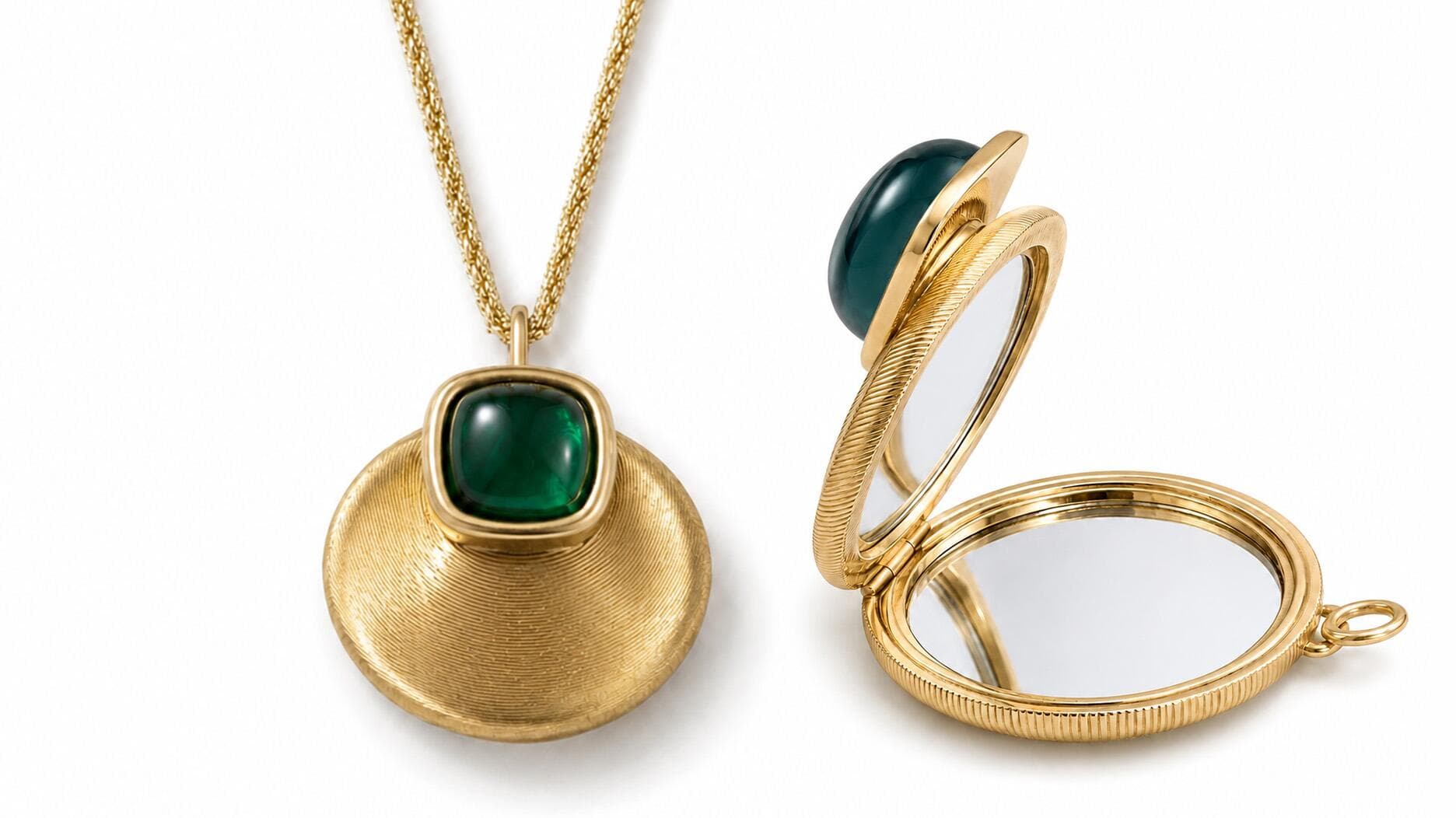
Contemporary cutters and houses favor emerald and cushion cuts to show amethyst’s depth, a preference highlighted in the February 23, 2026 coverage. The emerald cut’s step facets and elongated table emphasize breadth of color and present a polished, architectural face that flatters saturated stones; it reduces brilliance but deepens perceived hue. Cushion cuts, with their rounded corners and mixed facets, create scintillation while concentrating color toward the center, ideal when you want both sparkle and a strong violet core. For large, dramatic stones consider these faceted choices; for specimens with silky or included character, a domed cabochon can showcase sheen and phenomena better than a brilliant cut.
4. Historical uses: amethyst as talisman and ornament
Amethyst’s association with protection and sobriety has shaped how it was worn and set across centuries, a narrative thread the spotlight traces. Ancient Greeks prized amethyst as a stone of temperance; later, ecclesiastical rings and signet-like settings elevated violet gems into ceremonial roles. The stone’s approachable hardness and attractive color made it a favorite for rings, pendants and brooches through the Renaissance and into modern design, where it is often chosen for its evocative hue rather than rarity alone. Understanding this lineage clarifies why amethyst remains a meaningful birthstone choice: it carries cultural weight as well as aesthetic appeal.
5. Buying advice: practical steps to choose and care for amethyst
1. Prioritize color over carat weight. A smaller, richly saturated stone will read more luxurious than a larger, washed-out piece; emerald and cushion cuts concentrate and present color differently, so compare both.
2. Ask about treatments and provenance. Amethyst is commonly sold untreated, but heat can change violet material into citrine, an important disclosure that affects value.
3. Consider setting for protection and display. For faceted emerald and cushion cuts, four- or six-prong settings allow light and polish, while a bezel setting protects edges, choose based on wear.
4. Inspect for zoning and inclusions under magnification. Even stones with attractive color can have color zoning or large inclusions that weaken face-up beauty; a competent loupe review will reveal these issues.
5. Care and longevity: clean with mild soap and avoid ultrasonic machines for heavily included stones. Routine wear is fine, but store amethyst separately to prevent abrasion and avoid prolonged exposure to intense sunlight, which can fade some specimens.
- Aesthetic trade-offs: larger sizes often come with trade-offs in saturation; if you want a sizable centerpiece, prefer a well-cut cushion that concentrates color, or accept a softly toned, larger table with a warm bezel to hide edges.
- Budget framing: amethyst is broadly affordable compared with precious corundum; your premium should buy color and cut quality rather than sheer carat weight.
6. Settings and wearability: matching design to daily life
Choice of setting determines how the gem reads and how long it endures; the guide stresses matching stone and setting to lifestyle. Prong settings showcase more of the stone and maximize light return for cushion cuts, but they leave corners and girdles exposed, good for careful wearers who prioritize brilliance. Bezel settings give a cleaner silhouette and superb protection, especially for cabochons or pieces destined for heavy daily use. For rings, consider low-profile settings or protective gallery work to avoid knocks; for pendants and earrings, open-back settings can increase color intensity by allowing light to pass through.
Conclusion: choosing amethyst as a birthstone is an exercise in balancing color, cut and context. The February 23, 2026 spotlight makes the case that the most lasting purchases are those that respect the gem’s chromatic soul, select an emerald or cushion cut to concentrate violet; insist on clear disclosure about origin and treatment; and pick a setting that both flatters and protects. In the end, amethyst rewards choices that favor depth and craftsmanship: a well-cut violet stone in an appropriate setting becomes not just a piece of jewelry, but an heirloom statement.
This article was produced by Prism’s automated news system from verified source data, official records, and press releases, then run through automated quality and moderation checks before publishing. The system is built and supervised by the people who set the standards it runs under. Read our full AI policy.
Did this article answer your question?