April Birthstone Shoppers Compare Loose Diamonds, Cut, Size, and Price
April’s birthstone is a diamond, and the smartest online buy starts loose. Compare imaging, grading, and price first, then choose the setting with intention.
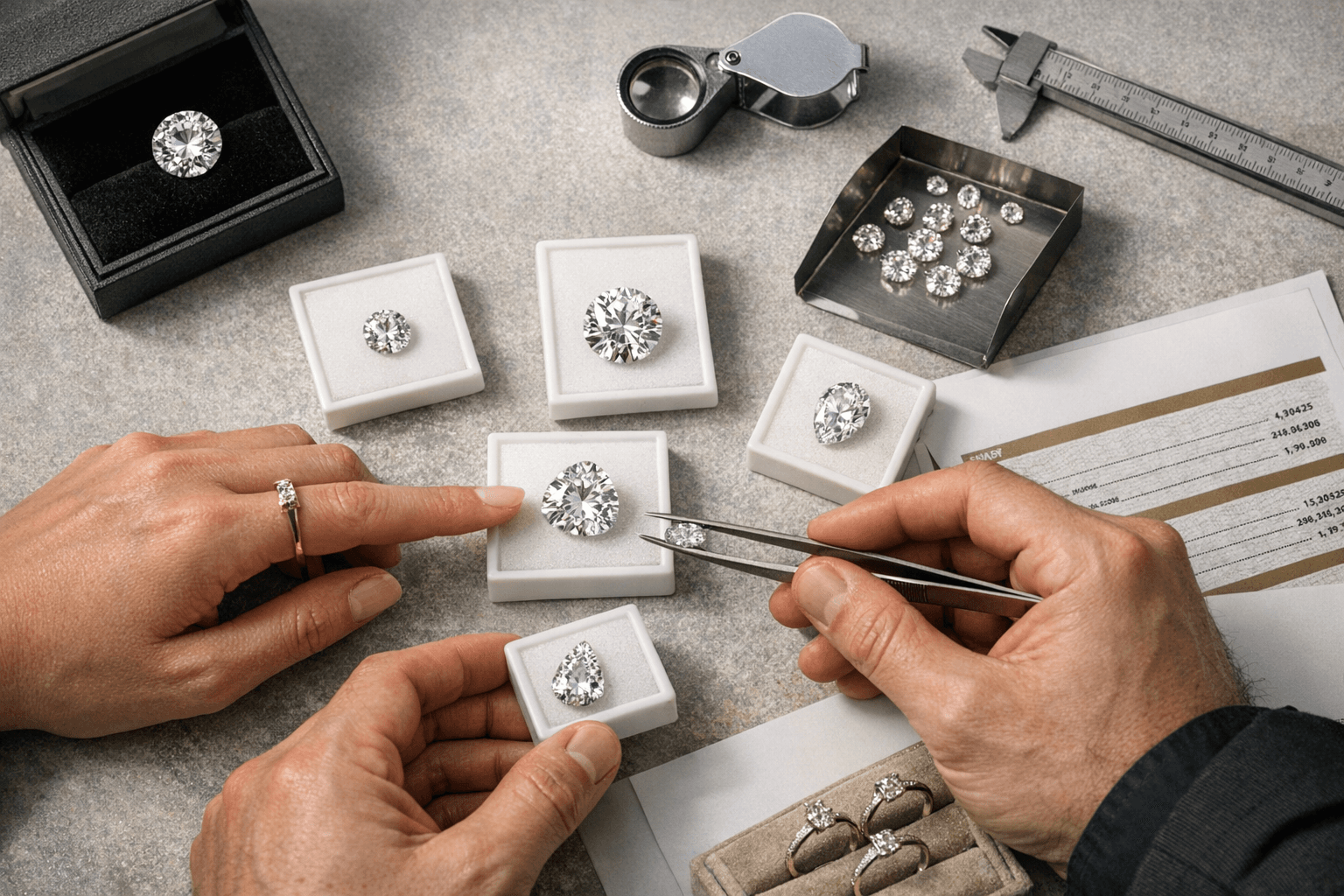
A diamond is never just a diamond in April. It is the month’s birthstone, a 60th and 75th anniversary marker, and one of the few gems whose value can swing sharply depending on cut, size, and the evidence a seller provides before you click buy.
That is why loose-diamond shopping makes so much sense for an April birthstone gift or keepsake. When you choose the stone first, you control the trade-offs: a little more carat weight, a cleaner look, a stronger cut, or a lower total spend. The setting comes second, which means the piece can be built around the person receiving it instead of around whatever inventory happened to be mounted already.
Why loose diamonds give you more control
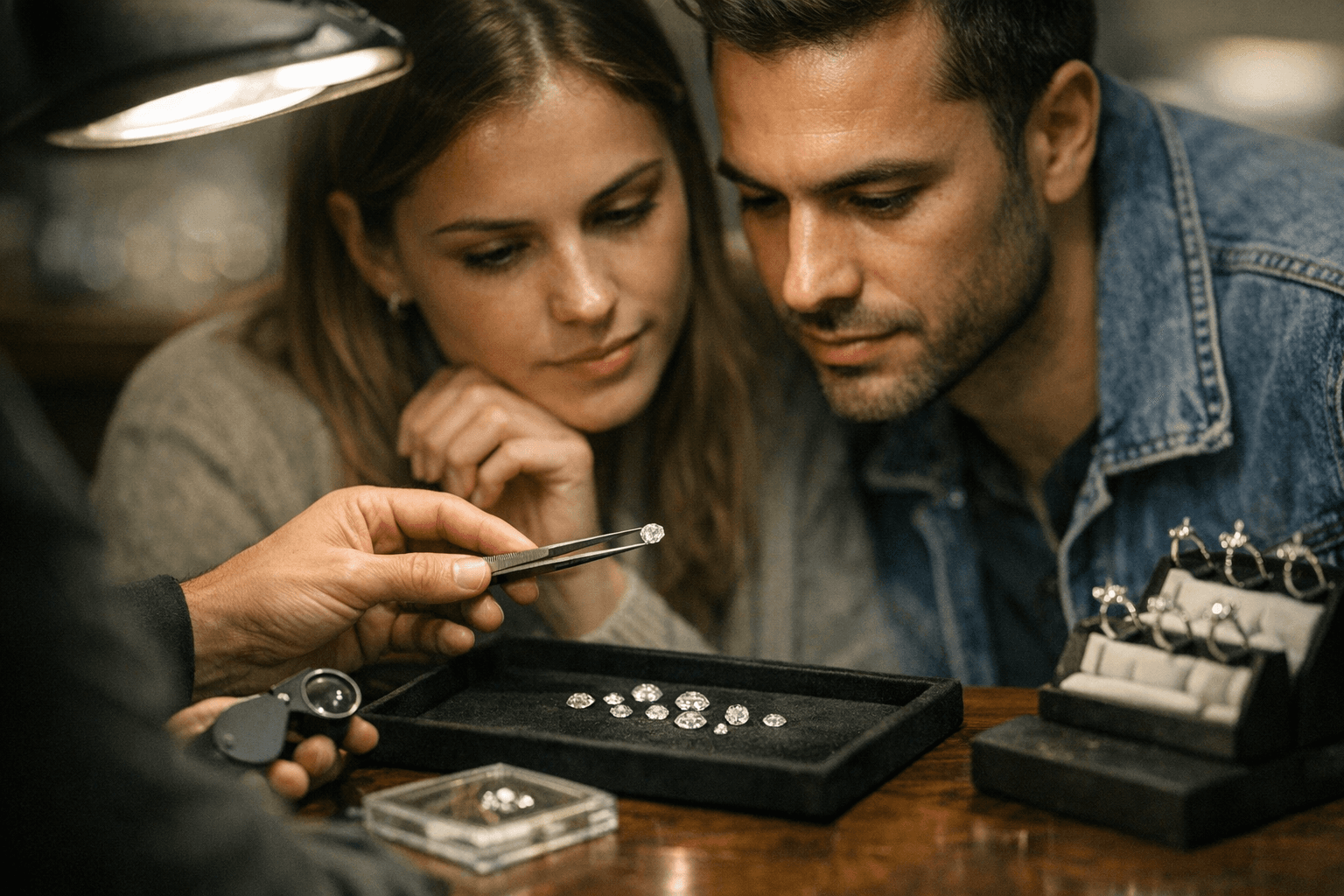
The appeal of a loose diamond is simple: it separates the gem from the mount so you can judge the stone on its own merits. That matters because the April birthstone is also one of jewelry’s most scrutinized purchases, and GIA treats the 4Cs, color, clarity, cut, and carat weight, as the standard language for evaluating quality. In practice, that means you are not just shopping for sparkle. You are balancing visible size, apparent brightness, and the budget you actually want to keep.
Cut is the first place that control shows up. GIA emphasizes that cut quality fuels a diamond’s fire, sparkle, and brilliance, which is why two stones of the same weight can look completely different on the hand. If you buy loose, you can prioritize a well-cut stone and then choose a setting that complements it, instead of letting a pre-set design dictate what the diamond itself can do.
The online comparison that matters most
The strongest online loose-diamond sellers make the stone easier to judge from a distance. PriceScope’s 2026 guide points to Whiteflash, Blue Nile, Angara, and Diamonds by Lauren as retailers that serve different buyer needs, and that difference is exactly the point. A loose diamond should not be a leap of faith.
Whiteflash is the name to know if imaging is your first priority. Its precision-cut stones are paired with ASET, IdealScope, Hearts & Arrows, and HD video, which gives you more than a polished product page. You get evidence of how the diamond handles light, and that kind of transparency matters when you cannot see the stone under your own lamp.
Blue Nile sits at the other end of the experience in a useful way: its mostly virtual inventory and competitive pricing make it attractive when budget control is the deciding factor. A virtual model can widen the search without forcing you into a narrow store selection, which helps if you want more room to compare size against price.
Angara stands out for customization and gemstone variety, which makes it useful when the April birthstone is part of a larger personalized design. If you want the diamond to become a pendant, ring, or heirloom-style piece with a specific look, that flexibility can matter as much as the stone itself.
Diamonds by Lauren is the curated choice for fancy-color and rare stones. That puts it in a different lane from the high-volume sites. If you are shopping for a collector-minded gift, or you want a diamond that feels less standard and more singular, rarity becomes part of the value proposition.
What certification should actually tell you
For a loose diamond, certification is not a box to tick, it is the spine of the purchase. GIA’s 4Cs framework gives you the baseline for comparison, and it is especially important online, where the product image can flatter even a middling stone. A grading report does not replace your eye, but it does stop the sale from leaning entirely on marketing language.
That matters because the internet has trained shoppers to expect proof. Images, videos, and lab grading together do what a jeweler’s tray once did in person: they let you compare stones side by side without guessing. If the seller cannot give you clear grading information and strong visual documentation, the price alone should not persuade you.
Why the market has changed so quickly
The diamond conversation is no longer only about mined stones. GIA research said analysts projected laboratory-grown diamonds would represent 20% of all diamonds on the market by 2025, and De Beers estimated that lab-grown diamonds displaced about $7 billion in the U.S. natural-diamond market in 2023, including $4.5 billion in lab-grown diamond sales. Those numbers explain why shoppers now ask sharper questions about value, origin, and what, exactly, a lower price is buying.
For an April birthstone purchase, that shift can work in your favor if you want a larger-looking stone for the same spend. It can also create more confusion, because a lower price does not automatically mean better value. The real test is whether the cut, the lab report, and the seller’s imaging support the price you are paying.
A practical way to buy the stone first
The best sequence is straightforward.
1. Decide what matters most: size, sparkle, budget, or rarity.
2. Read the grading report and use the 4Cs as your comparison tool.
3. Study the images and videos, especially if the seller offers ASET, IdealScope, Hearts & Arrows, or HD video.
4. Compare inventory style and price position across retailers before you commit.
5. Choose the setting after the stone is selected, so the final piece fits the person, not the stock list.
That approach is why loose diamonds remain such a high-consideration purchase, even with centuries of history behind them. Diamonds were traded as early as the fourth century BCE in India, later passed through medieval Venice, and entered the modern romance of jewelry when Archduke Maximillian of Austria gave Mary of Burgundy the first recorded diamond engagement ring in 1477. The story is old, but the buying rules have changed: today, the smartest April birthstone shopper asks for proof, compares cut with care, and lets the setting serve the stone rather than the other way around.
This article was produced by Prism’s automated news system from verified source data, official records, and press releases, then run through automated quality and moderation checks before publishing. The system is built and supervised by the people who set the standards it runs under. Read our full AI policy.
Did this article answer your question?